TerraFirma lands $115M to bring SpaceX-style automation to construction
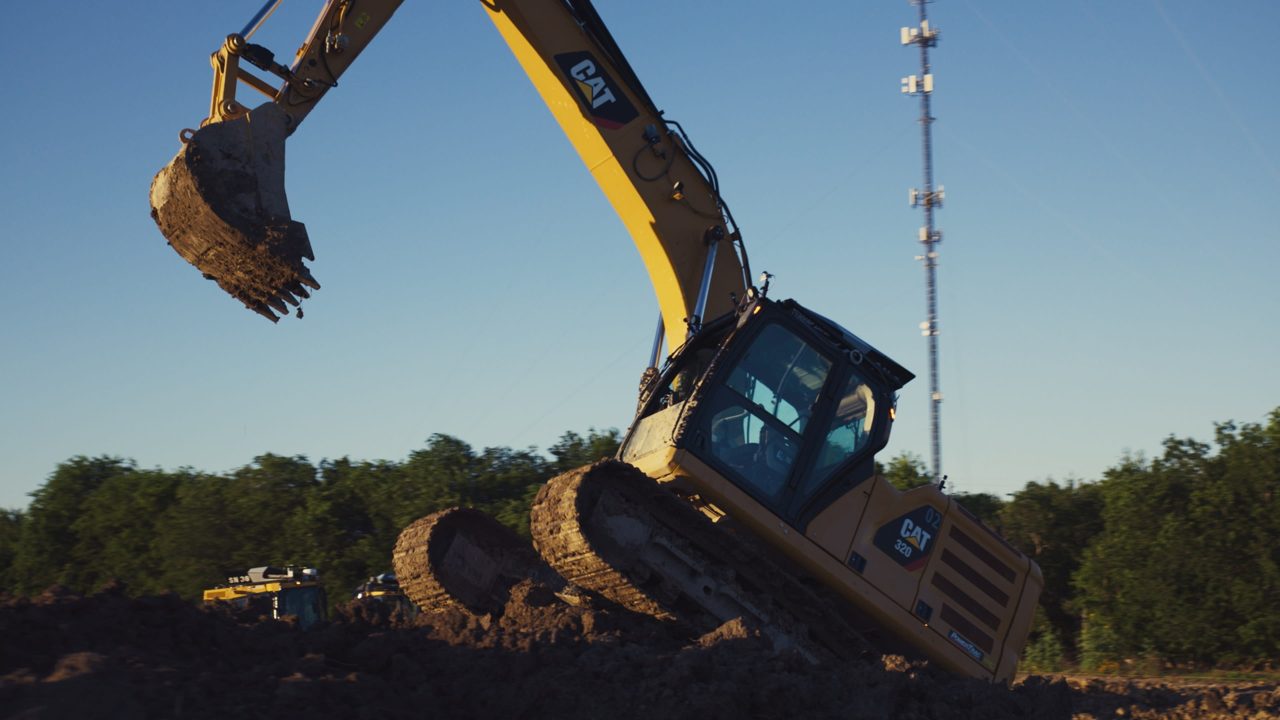
TerraFirma, a startup founded by former SpaceX engineers, has secured $115 million to deploy remote-controlled construction equipment, signaling venture capital's growing confidence in applying aerospace automation to terrestrial infrastructure bottlenecks.
TerraFirma said on Tuesday it raised $115 million in a funding round backed by Kleiner Perkins, Bain Capital Ventures, and defense technology firms SpaceX, Anduril and Hadrian. The Austin-based company was founded two years ago by Noah Schochet and Noah McGuinness, who met in an engineering class at Princeton University a decade ago before working together at SpaceX. Roughly half of its current engineering team also hails from SpaceX, Tesla, or the Boring Company.
The startup develops systems to remotely operate construction equipment using interfaces like Xbox controllers, a strategy designed to cut costs and improve site safety. TerraFirma is already deploying this technology on commercial Earth-bound projects, including a sports arena and a Starbucks location. By adapting aerospace manufacturing processes for heavy machinery, the company aims to solve a critical industry bottleneck.
"Infrastructure is a bottleneck to basically every single industry that needs to innovate over the next couple of decades," CEO Noah Schochet said. "There's such a deficit of people taking all of the great tech that has existed and been built for the last couple decades and bringing it" to the construction industry.
TerraFirma intends to use the fresh capital to rapidly scale its operations and manufacturing footprint. The company plans to hire 300 employees over the next year while constructing a dedicated factory in Texas. It will also build a mission control center to oversee its remote equipment.
The investment arrives amid renewed optimism for the broader space economy, fueled by NASA's lunar base ambitions and SpaceX's historic $86 billion IPO last month. TerraFirma joins a wider network of SpaceX alumni ventures, such as hypersonic weapons maker Castelion and Relativity Space. "We're building rockets the size of skyscrapers at one a month, and all those processes for mass manufacturing automation, none of them are showing up in construction," Schochet said.
While the company's ultimate ambition is to build infrastructure on Mars and bid on future lunar projects, its business model remains firmly grounded in current economic realities. "The problem is you don't want to build a community based around a space economy that doesn't yet exist," Schochet said. "You want to build it around the economic drivers that truly drive the world today."