Turkey resumes Iraq oil flows under fragile one-year deal
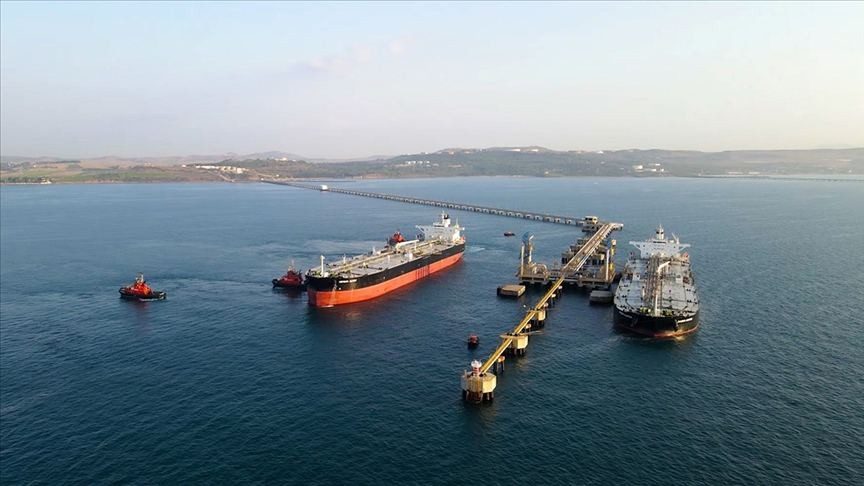
Turkey has agreed to a one-year protocol to resume northern Iraqi oil exports through the Ceyhan pipeline, averting an immediate fiscal crisis for Baghdad but leaving long-term supply risks unresolved.
Turkey has agreed to a one-year temporary arrangement to keep crude oil flowing from northern Iraq to the Turkish port of Ceyhan. The protocol, reached on 27 July, treats the entire Iraq-Turkey Pipeline corridor as a single unified mechanism under the original 1973 agreement. It will maintain flows of more than 200,000 barrels per day, according to Khazal Hostani, director general of contracts at the Kurdistan Region of Iraq’s Ministry of Natural Resources.
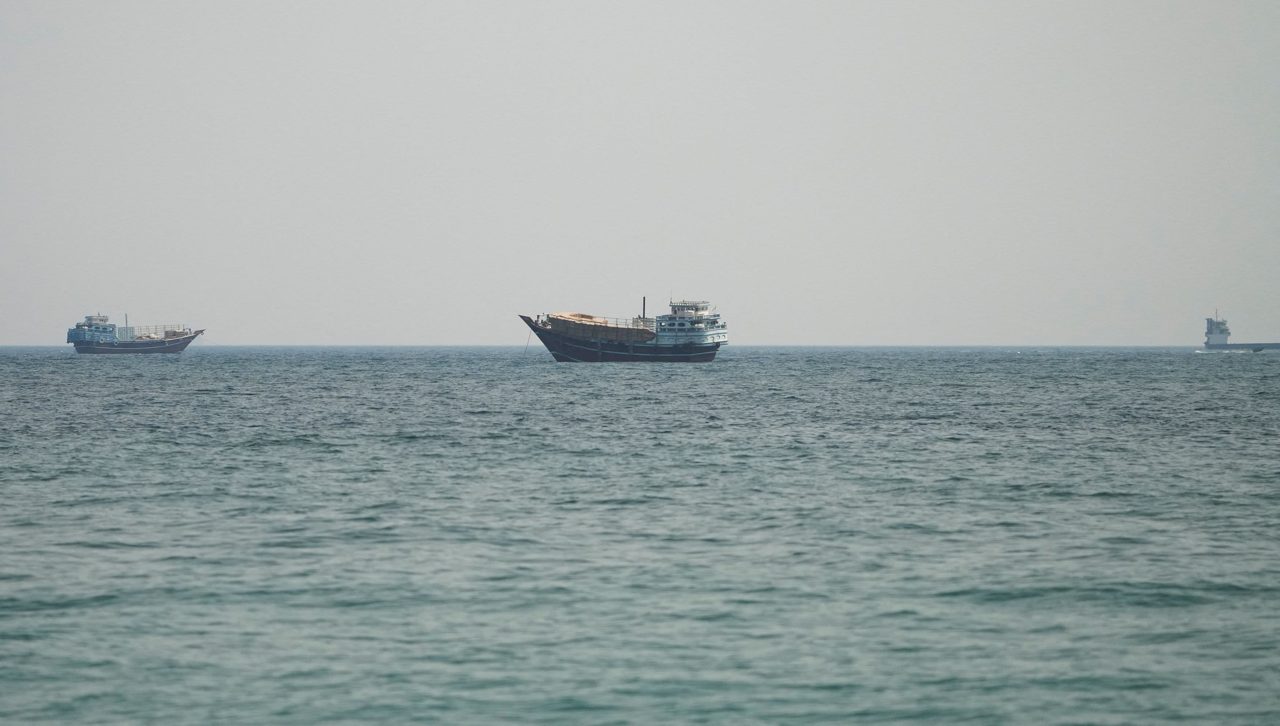
The agreement pulls Iraq back from the brink of a severe economic crisis. Baghdad relies on oil for more than 90% of its annual budget, but lost its primary export route when the Strait of Hormuz was effectively closed on 28 February. Prior to the blockade, 95% of Iraq's crude shipped through the strait to Asian markets like China. The sudden loss of this outlet filled Iraq's storage tanks to capacity and forced the shutdown of production wells, creating a serious risk of permanent reservoir damage.
The Ceyhan route provides a critical alternative, though it carries heavy legal baggage. Flows were completely halted for two and a half years from March 2023 after an International Chamber of Commerce ruling ordered Turkey to pay Baghdad $1.5 billion in damages. The tribunal found Turkey breached the 1973 agreement by allowing the Kurdistan Regional Government to bypass federal authorities and export oil independently, violating a 2014 revenue-sharing pact.
Conditional terms
While the immediate export threat is neutralised, the one-year deal remains highly conditional. A senior energy source close to Iraq’s Oil Ministry noted that Ankara has asked for “multi-layered joint ventures across the energy sector – with the emphasis on Iraqi investment – in oil, gas, petrochemicals, and electricity.” Turkey also wants an arrangement that offsets the $1.5 billion ICC fine, a significant hike to the current $1.00 and $1.25 per barrel transit tariffs, and guaranteed high daily volumes backed by strict financial penalties.
The diplomatic flexibility to reach this deal stems from a broader geopolitical shift. Recent US actions in the region have prompted both Baghdad and Ankara to distance themselves from Russian and Chinese energy partnerships, opening the door for Western firms. However, if Turkey does not secure its requested concessions, the temporary protocol could be terminated early or left to expire, leaving Iraq's oil revenues vulnerable once again.