Newly Mapped Fault Raises Cost of South Africa Karoo Gas Bet
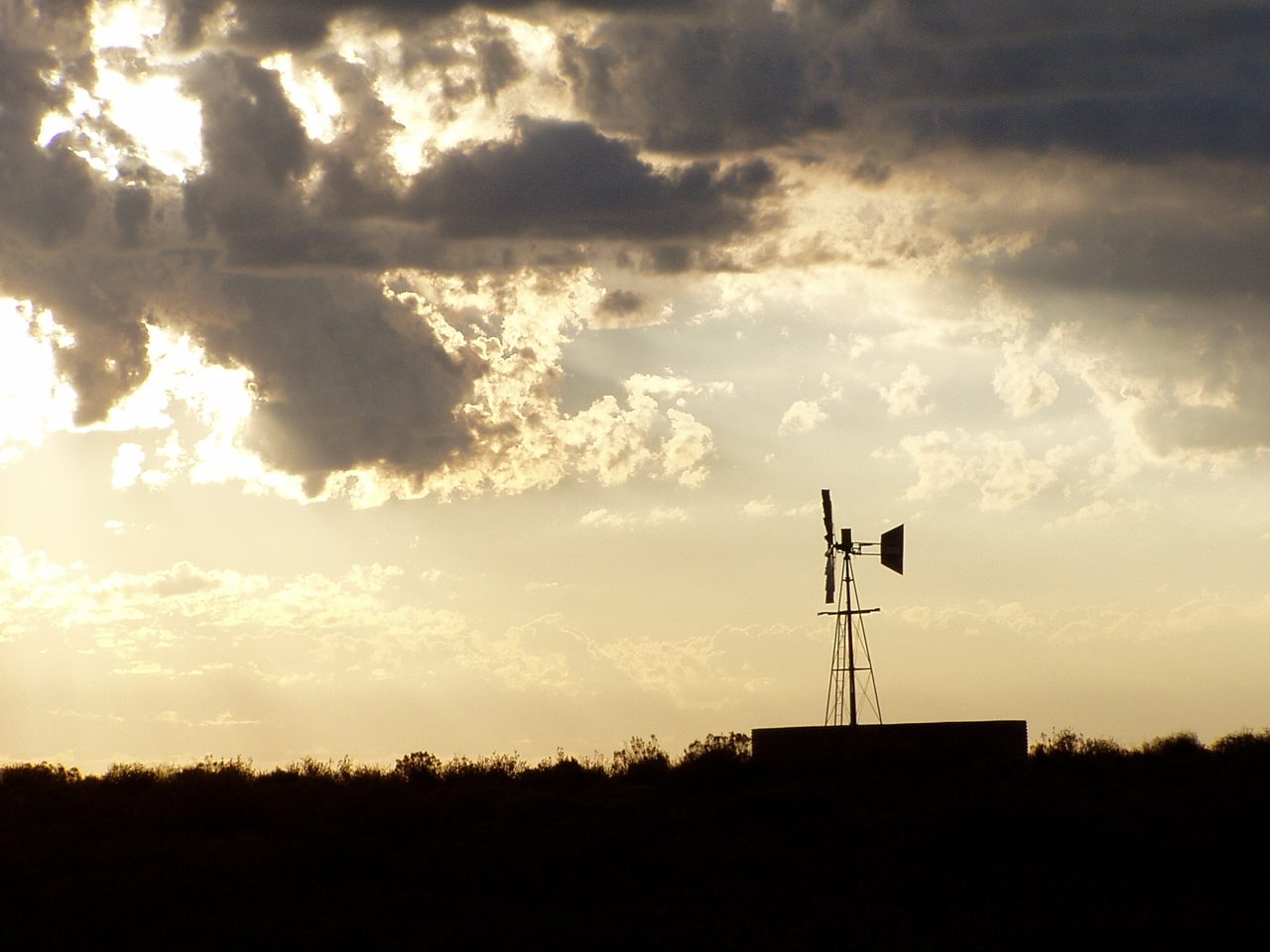
South Africa is preparing to lift a 15-year fracking ban to secure domestic energy, but a newly discovered fault beneath the Karoo basin threatens to raise regulatory and operational costs for prospective developers.
Geologists at the University of Cape Town have discovered a previously unmapped, critically stressed fault beneath the Karoo basin, an area South Africa is banking on to replace declining fuel supplies. The fault is tied to a swarm of at least 66 earthquakes near Leeu Gamka since 2007, including a magnitude 4.8 event.
It introduces fresh seismic risk just as the government moves to end a 15-year exploration freeze. In March 2026, the state announced its intention to lift the moratorium imposed in 2011.
Mineral and petroleum resources minister Gwede Mantashe underscored the shift in May by allocating R48.1 million to the Karoo Shale Gas Project. He argued that South Africa is “overly dependent on imported refined petroleum products.”
The economic prize is substantial but unproven. Estimates for technically recoverable shale gas range wildly from 13 trillion cubic feet to 390 tcf, with the Petroleum Agency settling on roughly 209 tcf. International energy majors initially circled the basin in the early 2010s but retreated amid the legal limbo, and no deep test wells have been drilled to settle the debate.
Even the lowest estimate would help offset an impending supply cliff around 2030, when gas imports from Mozambique’s Pande and Temane fields are expected to plummet. Securing domestic supply would feed power plants and shield an economy scarred by a decade of load-shedding.
For any operator eyeing the basin, the UCT study dictates higher upfront capital requirements. While lead author Benjamin Whitehead emphasized the recorded earthquakes are natural and not a reason to halt development, global evidence shows fracking and wastewater injection can reactivate pre-existing faults.
Developers will therefore need to invest heavily in seismic monitoring and precise geological mapping to secure regulatory approval and limit liability. That seismic risk compounds an existing environmental challenge in the semi-desert Karoo, where agriculture and communities rely on heavily stressed groundwater.
Fracking requires injecting large volumes of water underground, ensuring that any future development will face intense scrutiny from the environmental groups that originally secured the 2011 ban. The newly discovered fault does not block development, but it guarantees companies must price in a much thicker layer of operational and legal risk.