DEEP Robotics deploys quadruped robots at Swiss nuclear plant
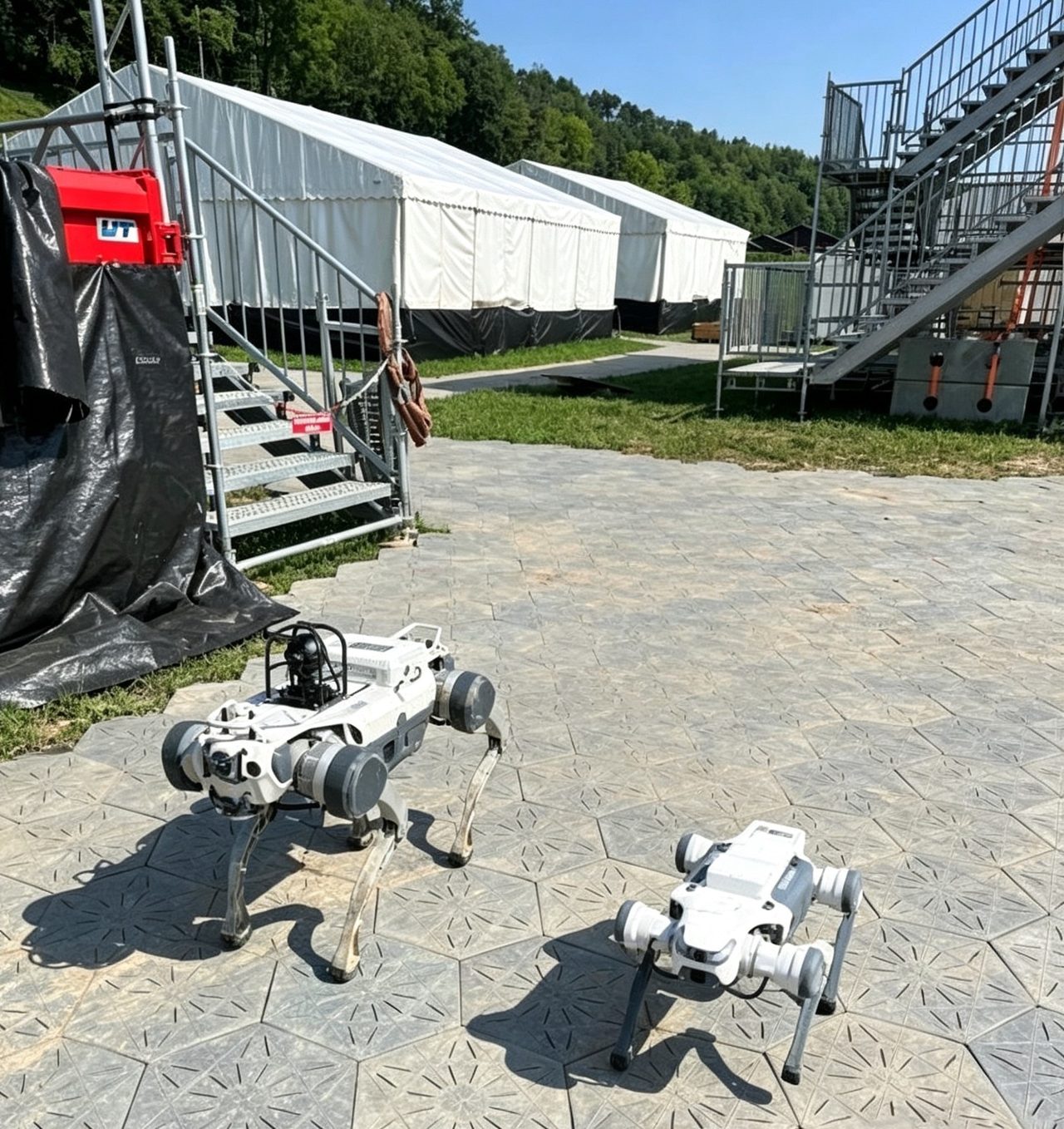
A Swiss nuclear power station has adopted DEEP Robotics' quadruped machines for automated inspections, signaling growing commercial traction for autonomous systems in highly regulated critical infrastructure.
Leibstadt Nuclear Power Plant (KKL) has introduced intelligent quadruped robots from DEEP Robotics to support its digital maintenance operations. The facility, which generates approximately one-seventh of Switzerland's electricity and serves as a crucial pillar of local baseload supply, is utilizing the machines to navigate tight spaces and take over repetitive inspection tasks.
The deployment represents a practical application of autonomous robotics in a sector where safety regulations and data security typically create high barriers to entry. By equipping the robots with multimodal sensors, including thermal imaging and acoustic cameras, KKL aims to shift from reactive repairs to predictive maintenance. This allows the 40-year-old facility to detect subtle equipment anomalies, such as localized temperature changes or abnormal sounds, before they escalate into costly failures.
Industrial inspections in nuclear facilities are physically demanding, often requiring staff to wear heavy protective gear in structurally compact areas. Deploying robots to handle these high-exposure tasks allows human technicians to focus on higher-value decision-making. This transition from manual, paper-based records to digitized data collection improves overall inspection efficiency and operational consistency.
Data governance remains a critical hurdle for technology vendors in European critical infrastructure. To comply with local security standards and data sovereignty laws, the DEEP Robotics solution synchronizes inspection data exclusively to a local, on-premises digital management system. This setup enables automated alerting and remote dispatch strictly under the plant's own IT governance, ensuring zero external data transmission.
The commercial validation from a major power operator is a notable milestone for DEEP Robotics. "The deployment of the quadruped robots has supported KKL in advancing its digital and automated maintenance initiatives," noted the head of KKL's Mechanical Engineering Department. Industry observers view the practical deployment as a useful reference model for digital transformation across the broader nuclear sector.
For investors tracking industrial automation, the Leibstadt deployment underscores the expanding global market for quadruped technology. DEEP Robotics has already deployed its systems across diverse environments, including power tunnels in Singapore, coastal facilities in Saudi Arabia, warehousing parks in North America, and industrial sites in Europe. This international footprint highlights the hardware's operational reliability across varying terrains and regulatory environments.
Looking ahead, KKL and DEEP Robotics are exploring potential synergies for additional applications, pending operational validation and regulatory review. The successful integration establishes a scalable approach combining rugged hardware with scenario-specific software, positioning autonomous robotics as a standard tool for asset management in complex industrial sectors.