Trump revives $1.8bn fund, stalling AG confirmation
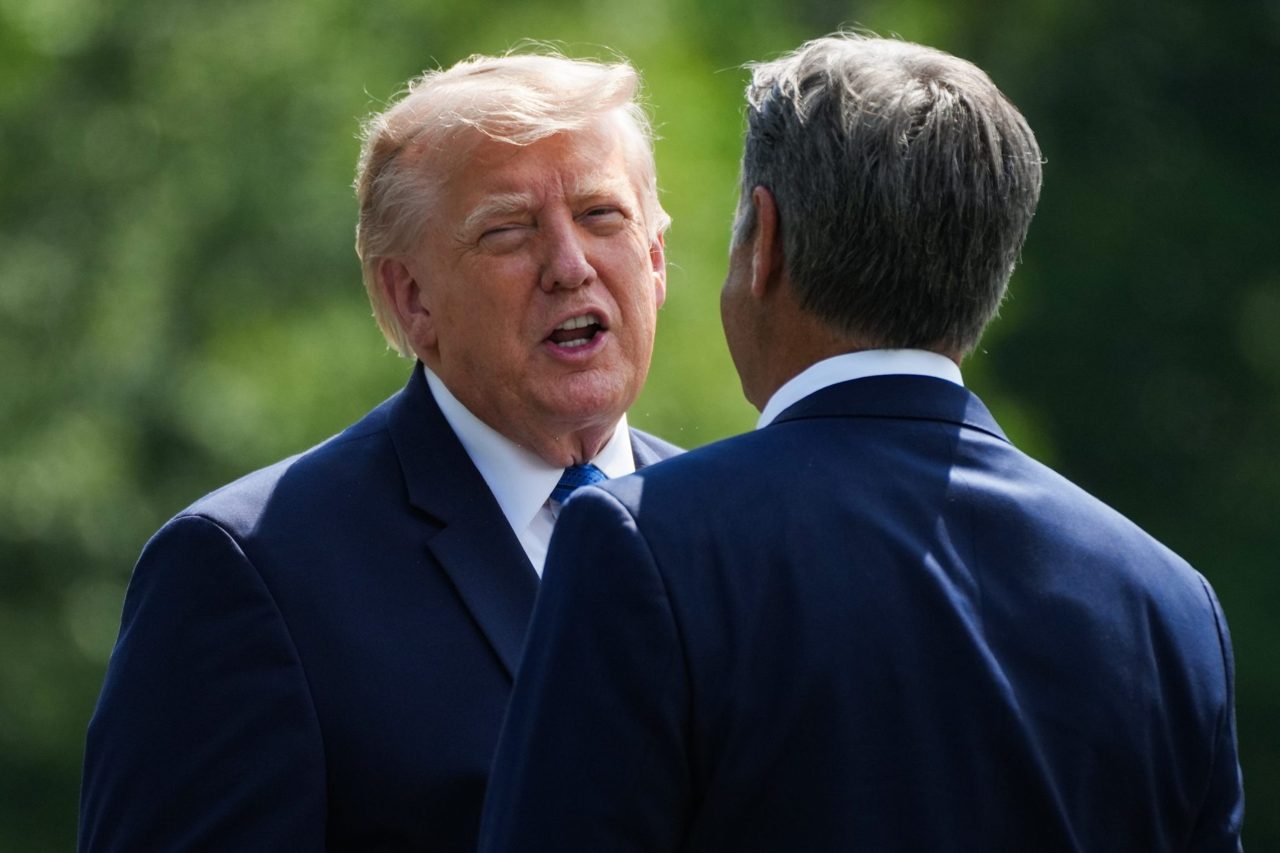
President Donald Trump’s sudden reversal on a $1.8 billion settlement fund has reignited a Senate standoff, threatening to leave the US Justice Department without a permanent leader and keeping expansive presidential tax audit immunity in play.
President Donald Trump threatened on Saturday to push forward with a $1.8 billion "Anti-Weaponization Fund" if two Republican senators refuse to confirm his attorney general nominee, Todd Blanche. The announcement came just a day after Trump declared the fund dead, injecting fresh volatility into the Senate confirmation process.
The standoff centres on a lawsuit settlement that established the massive compensation pool for individuals claiming mistreatment by the criminal justice system. Crucially for investors and corporate governance observers, the settlement also granted Trump and his family members immunity from tax audits.
Senator John Cornyn warned that the current language could shield more than 100 Trump Organization subsidiaries from future tax scrutiny. Cornyn and Senator Thom Tillis are demanding written guarantees that the audit immunity is strictly retrospective and limited to the specific litigation parties, rather than prospective.
The Department of Justice attempted to resolve the impasse on Friday by providing the senators with written language stating Blanche’s May 18 order creating the fund was "rescinded and shall have no force or effect." This concession prompted Senate Judiciary Committee Chairman Chuck Grassley to schedule a Tuesday vote, aiming for confirmation before the August recess.
However, Trump’s Saturday Truth Social post dismantled that progress. He stated he would keep Blanche as acting attorney general and resurrect the fund if the two holdout senators do not back the nominee.
Tillis, who is retiring, lambasted the reversal on X, calling the proposal a "payout pot for punks" and warning that the administration intends to inappropriately establish a "bogus fund." Cornyn, who lost his primary after Trump endorsed an opponent, has equally resisted the administration's pressure.
For market participants, the saga underscores persistent regulatory uncertainty at the top of the US justice system. The prospect of a $1.8 billion discretionary payout fund, coupled with sweeping tax audit protections for a sitting president's private business empire, raises significant rule-of-law concerns. Leaving the department indefinitely led by an acting attorney general removes a crucial layer of institutional stability.