Gavi pledges $500m to Nigeria vaccines, eyes local manufacturing
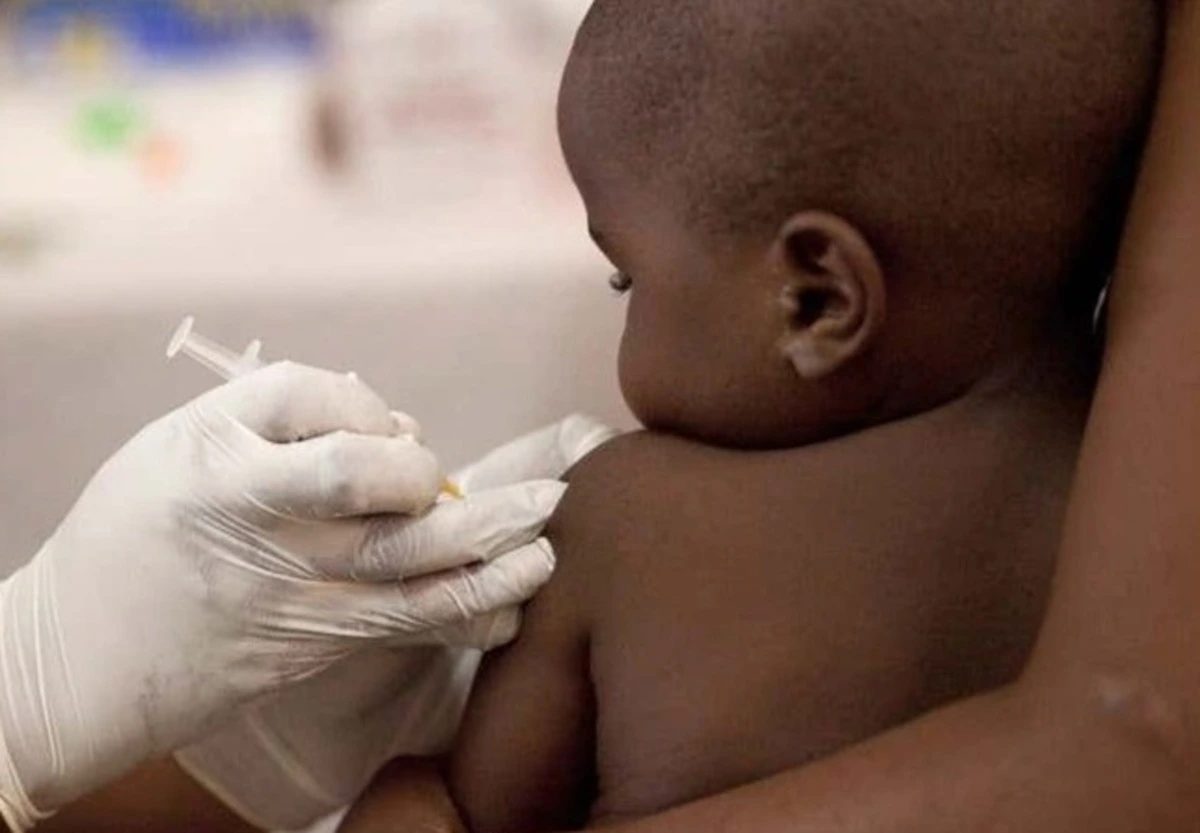
Gavi is committing over $500 million to Nigeria’s immunisation programme, a five-year package that signals a transition toward domestic cost-sharing and regional vaccine manufacturing.
Gavi, the Vaccine Alliance, will commit more than $500 million to Nigeria’s immunisation programme over the next five years, CEO Dr Sania Nishtar announced on Friday during a meeting with President Bola Tinubu in Abuja.
The capital injection represents a major steady-state financing commitment for Africa’s largest economy, but it also underscores a critical shift in how healthcare is funded globally. Nishtar noted the pledge comes despite a broader decline in official development assistance and shrinking donor funding worldwide.
For market professionals, the key financial takeaway is the evolving cost-sharing structure between the alliance and the Nigerian government. Gavi currently operates a 70-30 funding arrangement for vaccine procurement. In 2025, Gavi contributed $261 million while Nigeria’s federal government provided roughly $90 million. The alliance is now actively pushing Nigeria to develop mechanisms for greater state-level participation in vaccine financing to improve long-term sustainability.
This transition places new fiscal demands on sub-national governments, even as the federal treasury absorbs heavy health expenditures. Abuja recently committed $346 million in co-financing for HIV, tuberculosis, and malaria programmes for 2026, and approved a separate N32 billion disbursement for primary healthcare facilities.
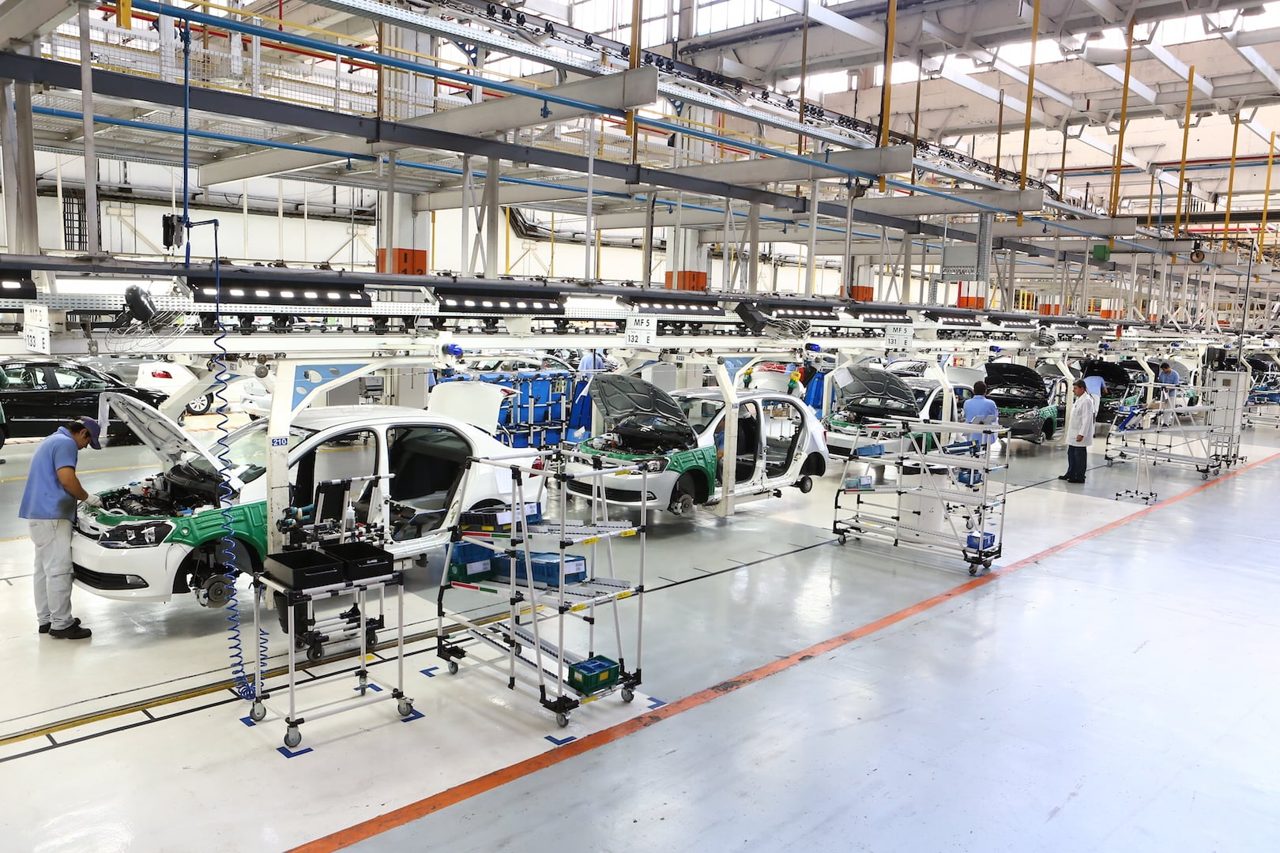
Beyond direct healthcare delivery, the funding signals a strategic pivot toward regional pharmaceutical supply chains. Nishtar highlighted a separate $1.2 billion initiative targeting commercial production. “We have put together an instrument called the African Vaccine Manufacturing Accelerator, a 1.2 billion dollar instrument to promote commercial vaccine manufacturing on the continent,” she said.
President Tinubu linked local production directly to broader economic empowerment. “The wonderful job of Gavi and the team is well appreciated, and the programme of acceleration for vaccine production in Nigeria is empowering the continent,” he said.
Coordinating Minister of Health and Social Welfare, Prof. Ali Pate, noted that the predictable five-year funding window allows the government to plan more effectively and expand access for vulnerable populations.
The latest $500 million envelope builds on a flurry of recent Gavi interventions. The alliance has now invested $2.4 billion in Nigeria over two decades, with recent tranches including a $191 million health systems grant in May, a $250 million infrastructure pledge in April, and a $3 million primary healthcare investment in Kaduna State in August.
Despite these significant capital flows, Nigeria’s primary healthcare system remains heavily underperforming. Data indicates that less than 30% of Nigerians are satisfied with public healthcare services, a metric that highlights persistent structural bottlenecks in infrastructure and service delivery that continued financial backing will need to address.