Digital health funding hits $7.4bn as wearables target clinical care
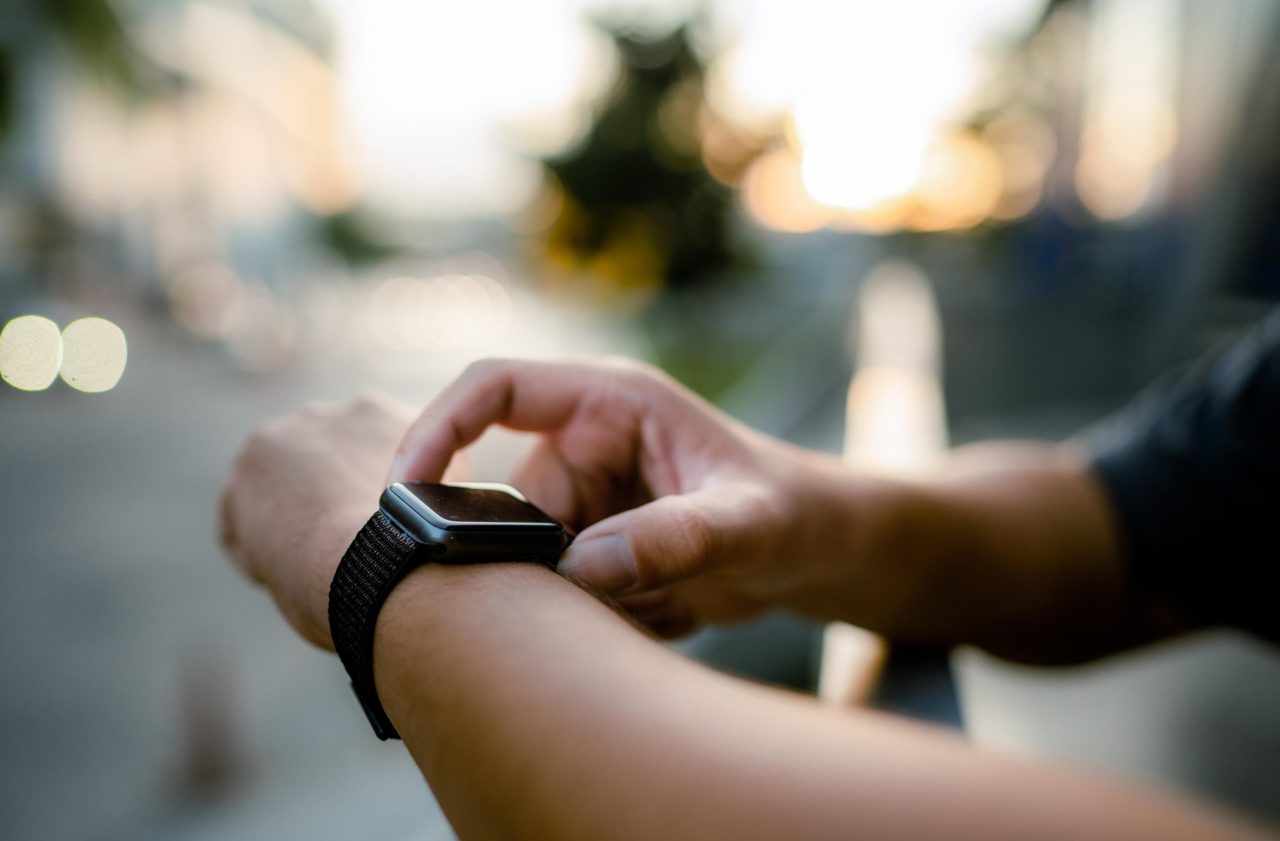
Venture capitalists poured $7.4 billion into digital health in the first half of 2026, betting that wearable devices can successfully transition from consumer fitness gadgets to essential medical monitoring tools.
Digital health companies raised nearly $7.4 billion in the first half of 2026, according to a new report by Rock Health. This massive injection of venture capital underscores a decisive shift in healthcare investment away from administrative software and toward clinical decision-making tools, precision medicine, and novel therapeutics. Wearable technology has emerged as the primary beneficiary of this renewed financial appetite.
The broader wearables sector is now projected to reach nearly $230 billion in market capitalization by 2033. Capital is aggressively chasing companies that can prove clinical utility rather than simple consumer tracking. Wearable company Whoop exemplifies this trend, recently securing nearly half a billion dollars in funding to triple its original valuation.
Whoop is actively targeting the lucrative longevity and anti-aging markets with its latest capital. Its new "Healthspan" feature analyzes nine key metrics to calculate a user's "WHOOP Age" and determine if their body is aging faster or slower than their biological age. The tool is backed by longevity research and isolates the daily actions that most impact long-term health, representing a clear pivot toward preventative medical care.
However, as wearables pivot from consumer gadgets to remote medical devices, hardware accuracy remains a critical risk factor for investors. A study published in the journal Sensors confirms that wearables are "increasingly accepted as tools for long-term and remote health monitoring by both clinicians and individuals." Their use is rapidly expanding into chronic disease management, mental health, and preventive care.
The research evaluated heart rate measurement efficacy across chest-worn devices like the Zephyr and wrist-worn options from Fitbit, Garmin, and Whoop. While the Zephyr excelled during rapidly changing conditions, Fitbit ranked as the most accurate wrist-worn device, Garmin offered the best stability, and Whoop performed to standard. Crucially, researchers found that "Performance notably declined across all wrist-worn devices during transient states, with motion onset and large step changes in heart rate exacerbating measurement errors."
These distinct technical trade-offs explain why the market continues to support a wide variety of hardware manufacturers. Different patient profiles demand entirely different devices, as a marathon runner has fundamentally different biometric needs than a sedentary older patient managing heart disease. For market participants, this fragmentation indicates a competitive ecosystem where specialized companies can secure distinct niches and justify premium valuations.