Guyana approves $91.5M to accelerate $2B gas-to-energy project
Guyana's parliament has approved $91.5 million in supplementary funding to fast-track a $2 billion gas-to-energy project crucial for halving electricity tariffs and diversifying the oil-dependent economy.
Guyana’s National Assembly has approved GY$19.09 billion, equivalent to roughly US$91.5 million, in supplementary funding to accelerate the construction of its flagship Gas-to-Energy project. The allocation, which falls under the Office of the Prime Minister, was part of a broader GY$54.9 billion (US$263 million) supplementary budget. The funding injection addresses mounting costs after the project missed its original 2024 completion target.
The infrastructure plan is the cornerstone of Guyana’s strategy to translate its offshore oil boom into broad-based economic growth. The government has pledged that once the 300-megawatt combined-cycle power plant is operational, grid electricity tariffs will fall by 50%. For a nation where state utility Guyana Power and Light currently relies on expensive imported heavy fuel oil, transitioning to domestic natural gas is expected to dramatically cut generation costs and reduce the state's fiscal subsidy burden.
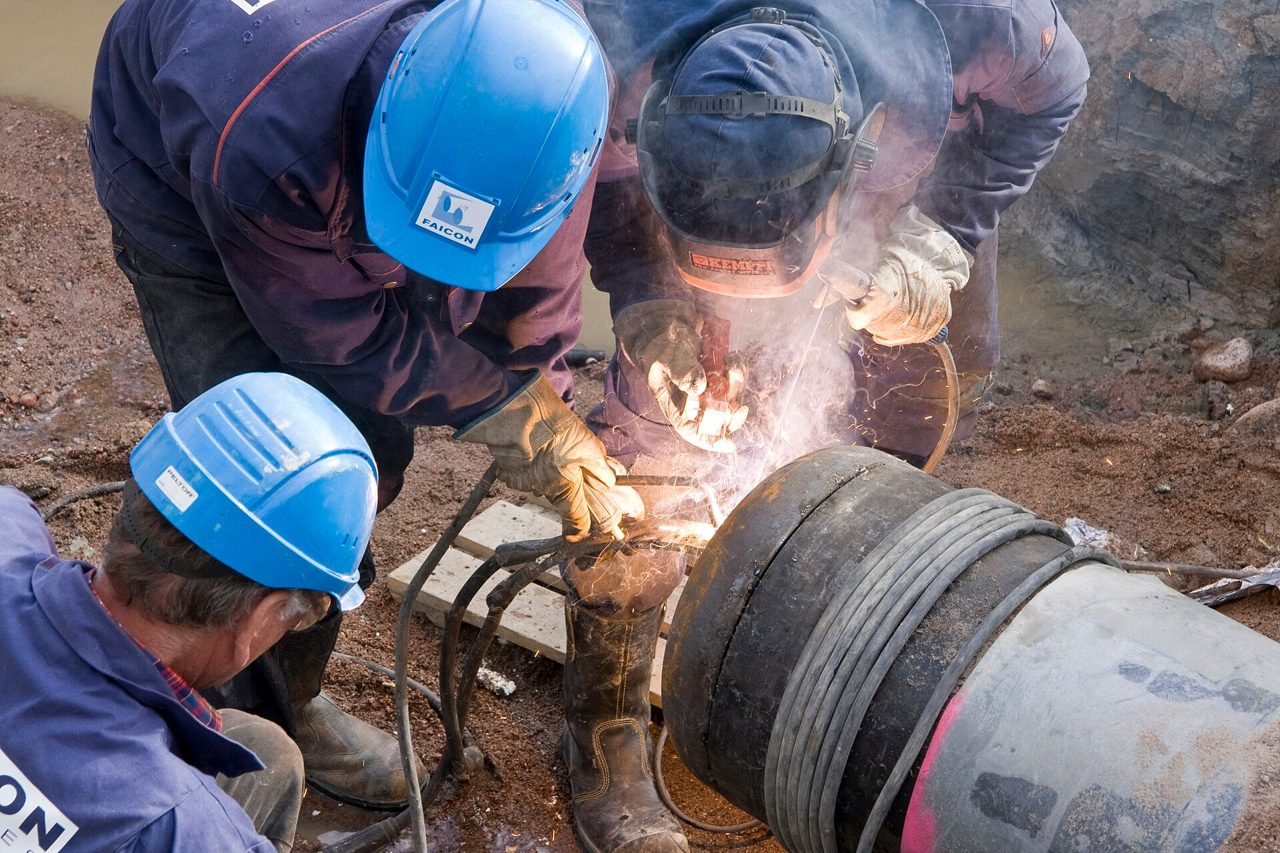
The project involves piping associated natural gas 200 kilometers from the Liza field in the Stabroek Block to a processing facility at Wales. A consortium led by ExxonMobil affiliate Esso Exploration and Production Guyana Limited is building the offshore pipeline, alongside partners Hess Corporation and CNOOC Petroleum Guyana Limited. Under a 2016 Production Sharing Agreement, ExxonMobil must deliver a specified volume of gas for domestic use, recovering its pipeline costs from the block's oil revenues.
This cost-recovery mechanism and the project's overall US$2 billion price tag have drawn intense scrutiny from opposition lawmakers and civil society groups. Critics have challenged the government for side-stepping fully open international tenders for major contracts. The decision to route the supplementary appropriation through the Prime Minister's office has further fueled concerns about oversight, even as the administration argues the structure ensures necessary speed and coordination.
For international investors, the Gas-to-Energy project represents the primary mechanism for diversifying Guyana’s GDP beyond the extractive sector. Cheaper, reliable power is intended to catalyze foreign direct investment in the adjacent Wales Development Zone, targeting energy-intensive manufacturing and agro-processing. If successfully executed, the tariff reduction could boost household disposable income, structurally lower medium-term inflation, and finally tether Guyana’s world-leading GDP growth to the local non-oil economy.