Nigeria's N1.3bn fake agency scandal exposes budget oversight gaps
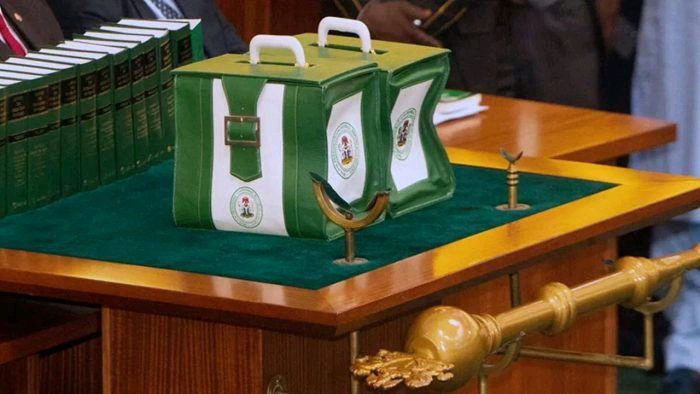
A private citizen allegedly secured a N1.3 billion budget allocation for a fictitious government agency, exposing severe institutional control failures that threaten Nigeria's fiscal credibility and add to its debt burden.
Prince Adeniyi Adeyemi allegedly created a non-existent body called the Presidential Foreign Intervention Promotion Council, forged official documents, and secured an office within the Federal Secretariat. Operating from inside a government building, the suspect opened multiple bank accounts in the agency's name to facilitate his operations. Despite being entirely fabricated, the entity successfully obtained a N1.3 billion allocation in the 2026 national budget. The Presidency has since disowned the agency, and the Economic and Financial Crimes Commission (EFCC) has taken over the investigation.
The incident represents a systemic breakdown across multiple branches of the Nigerian government. For a non-existent organization to receive a budget code and funding, the Budget Office, the Ministry of Finance, and the National Assembly all failed to detect the fraud during their respective review stages. This bypass of basic verification protocols highlights a porous approval chain where neither executive nor legislative safeguards functioned effectively.
For international investors and creditors, the scandal underscores a critical fiscal risk in an economy already running persistent budget deficits. Nigeria relies heavily on borrowing to fund its expenditure, meaning every misallocated naira directly increases the deficit and forces additional state borrowing. The N1.3 billion allocated to a phantom agency could have been deployed to reduce the debt burden or fund critical infrastructure. Instead, it has been written into a deficit that will ultimately be financed through loans.
The institutional failure also threatens to damage Nigeria's standing with international lenders and capital markets. When a sovereign state cannot guarantee that funds allocated in its national budget flow to real institutions, securing favorable debt terms becomes significantly harder. The scandal reinforces a narrative of weak institutions, weakening the government's moral authority when seeking international support or debt relief.
This is not an isolated incident but rather a symptom of chronic structural vulnerabilities. In 2016, the country faced a major legislative scandal when a committee chairman accused House leadership of inserting N30 billion in unverified projects into the national budget. While that earlier dispute was contained within the legislature, the 2026 episode proves the vulnerability extends to the executive branch, allowing outsiders to exploit the same weak verification and oversight mechanisms.
The core issue for market participants is the personalization of public office and the absence of impersonal, rules-based systems. Until Nigeria establishes rigorous frameworks for authenticating agencies and scrutinizing expenditure, its budget process will remain exposed to manipulation. For those holding Nigerian debt or evaluating entry into the market, this level of control failure signals that fiscal governance remains a persistent structural risk.