Silver Retreats From $59 As Year-Long Rally Loses Momentum
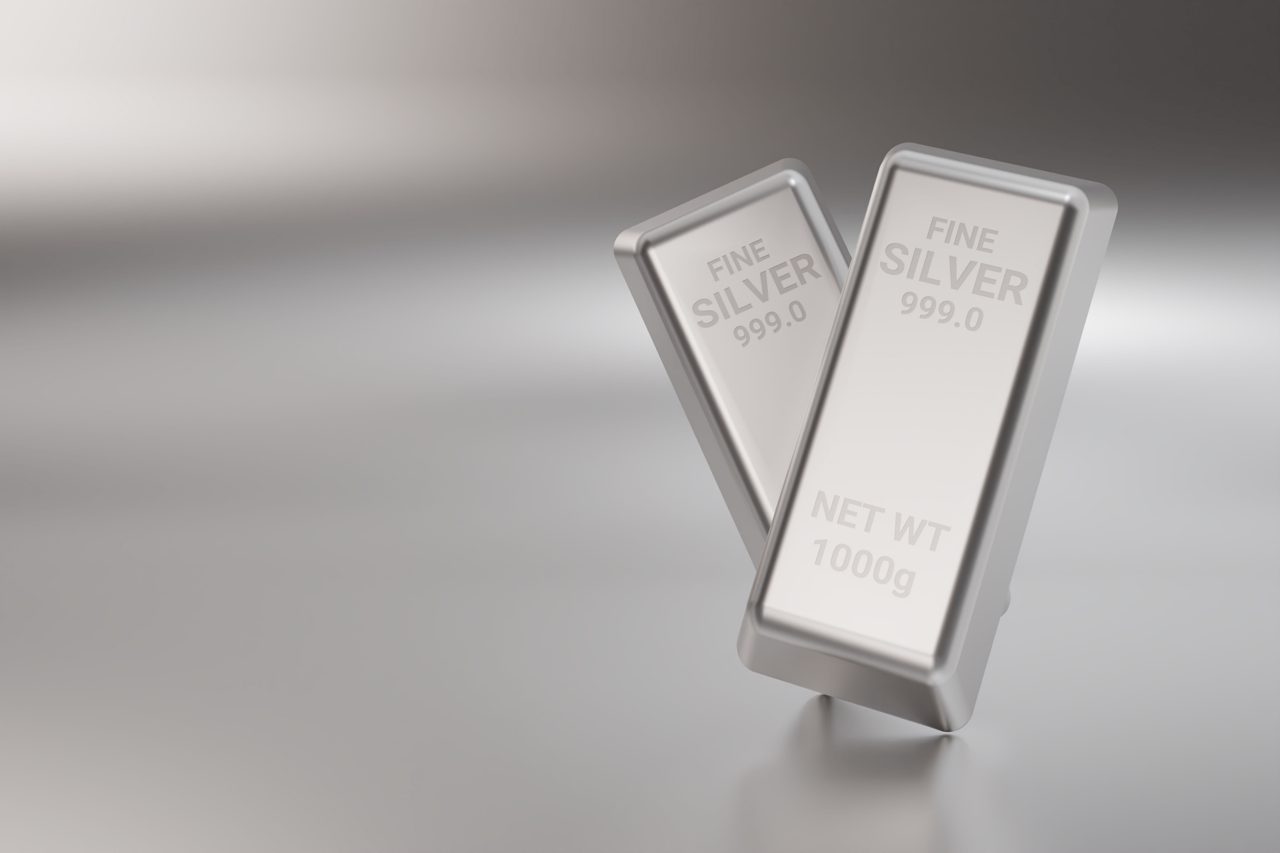
Silver futures briefly topped $59 before reversing lower, signaling that a 60% year-over-year rally is losing steam as industrial demand wanes and investors face steep tax penalties on physical profits.
Silver September futures opened at $59.26 an ounce on Friday, July 31, before quickly dropping to $57.94 by 8:37 a.m. Eastern time. The early morning spike, which mirrored an opening above $59 on Monday, proved fleeting as the metal fell below $58. The brief surge followed a reported pause in U.S. airstrikes, though the geopolitical boost failed to sustain buyer interest.
The rapid reversal underscores the fragile state of the silver market. While prices remain 60.9% higher than a year ago and up 1.6% from last month, momentum has deteriorated significantly since mid-May. On May 14, year-over-year growth peaked at 173.3%. Capital is now rotating out of the metal as rising energy costs stemming from an ongoing war suppress industrial demand.
This shifting macroeconomic landscape presents a dilemma for portfolio managers. The asset class no longer offers the robust positive momentum seen earlier in the year, yet moving capital elsewhere requires navigating a complex tax structure that punishes physical metal liquidations.
For investors holding substantial gains from the run-up, exiting physical positions carries a steep cost. The IRS classifies physical silver bars, rounds, and coins as collectibles rather than standard equities. This designation eliminates the favorable 0%, 15%, or 20% long-term capital gains rates typically applied to stocks held for more than a year.
Instead, long-term gains on physical silver are taxed at a maximum rate of 28%. If the holding period is one year or less, profits are taxed as ordinary income, reaching as high as 37%. Middle-income earners accustomed to paying 15% on stock gains could see their silver tax burden jump to 22% or 24% based on their adjusted gross income.
High-income earners in the 32%, 35%, or 37% brackets do receive a slight discount on physical silver, capped at 28%. However, they still pay 8 percentage points more than the maximum 20% rate levied on long-term stock gains. When applied to the five- or six-figure gains generated by silver's 60% annual surge, that structural tax difference rapidly compounds.