Ecopetrol CEO Roa Exits Amid Board Reshuffle and Graft Probe
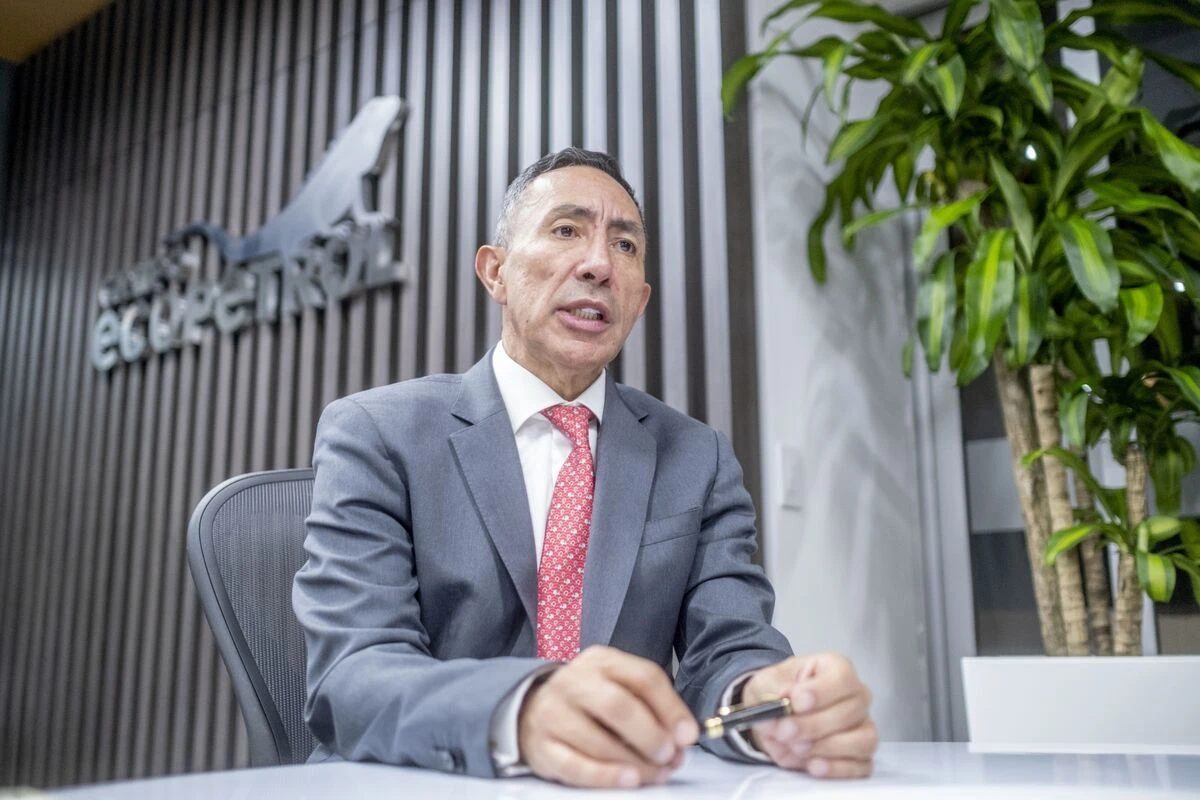
The abrupt exit of Ecopetrol CEO Ricardo Roa, alongside a sweeping board overhaul and a pending corruption charge, raises significant governance questions for foreign investors in Colombia’s state-controlled oil giant.
Ricardo Roa stepped down as president of Ecopetrol on July 30, just three days after returning from a leave of absence. His exit triggered a broader management purge that claimed the board chair, two additional directors, and two vice-presidents. Juan Carlos Hurtado Parra, the president’s first alternate, took over as acting chief on July 31.
The reshuffle reached the highest levels of corporate governance. Angela Maria Robledo resigned as chair, making way for Luis Felipe Henao Cardona. Directors Tatiana Roa and one other board member also departed. Executive turnover extended to the vice-presidential tier, with Bayron Triana, head of Energy Transition, and Victoria Sepulveda, head of Corporate Talent, both leaving the company.
Roa’s departure coincides with a separate legal battle. On March 11, Colombia’s Attorney General charged him with influence-peddling by a public servant. Prosecutors are investigating the purchase of a Bogotá apartment and its potential connection to Ecopetrol contracts. Roa has pledged to remain in the country and face the justice system, maintaining his presumption of innocence. The company itself has not been charged with any wrongdoing.
For international capital markets, Ecopetrol is simply too large to ignore. Majority-owned by the Colombian state, the company accounts for a massive portion of national exports and government revenue, yet its American depositary receipts trade on the New York Stock Exchange. The shares, recently trading around $7.90 against a 52-week high of $17.75, are widely held by emerging market funds. Leadership volatility at this scale directly impacts any sovereign-linked investment thesis.
Roa was never a traditional oil executive. Brought in by President Gustavo Petro after managing his 2022 campaign, his mandate was to execute a political transformation of Colombia’s energy sector. The simultaneous exit of the Energy Transition vice-president suggests this specific agenda may now be stalled or fundamentally altered. Investors will look for definitive signals on whether the new board intends to pivot back toward core exploration and production.
The immediate priority for Henao Cardona’s newly configured board is stabilizing the executive suite by appointing a permanent CEO. Until then, traditional oil and gas operations and global crude prices will continue to dictate near-term financial results. The investment community will closely scrutinize the upcoming earnings report for the first official clues regarding this profound shift in corporate strategy.