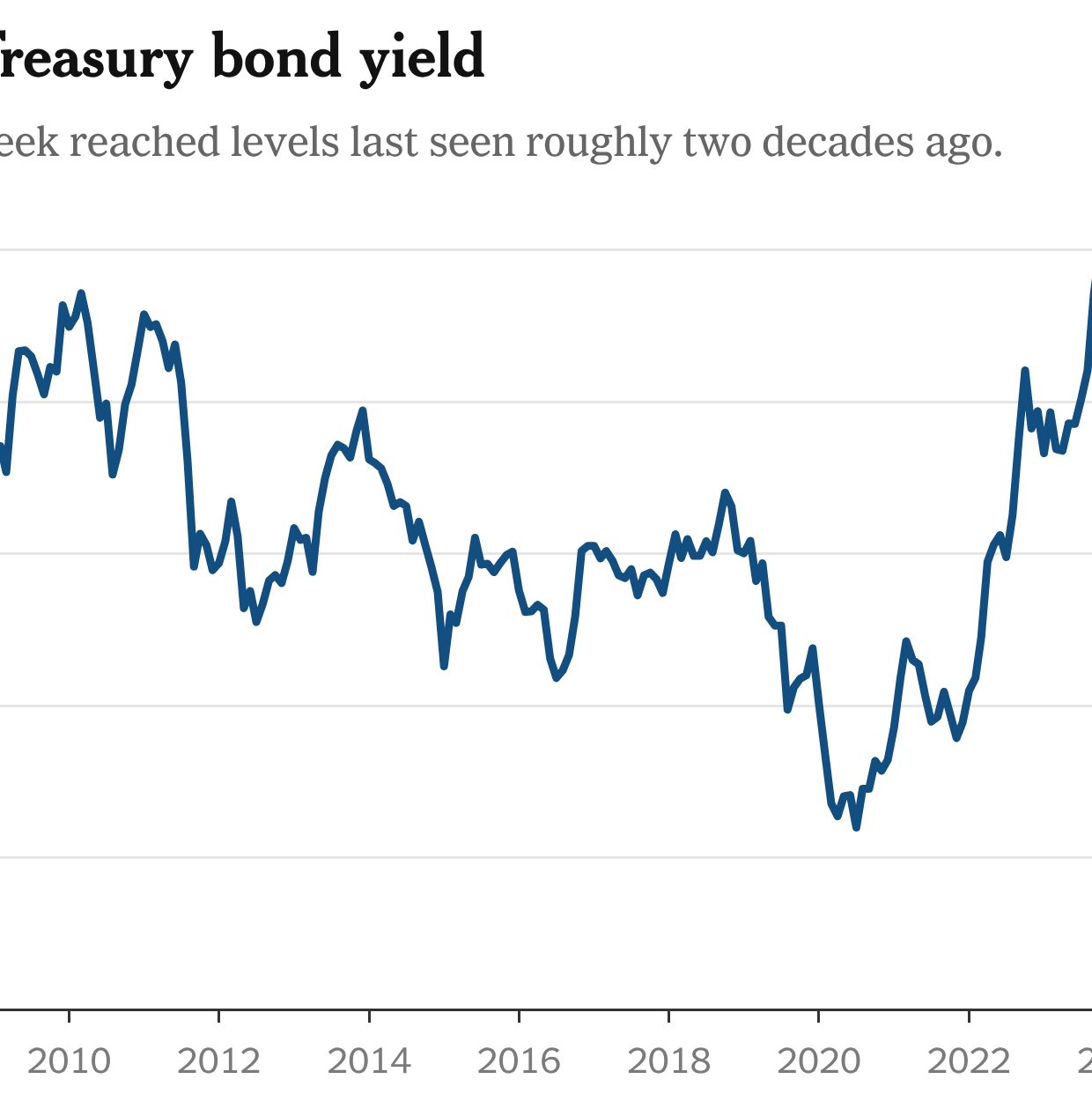
US Core Inflation Accelerates Across Economy as Treasury Yields Hit 2007 Highs
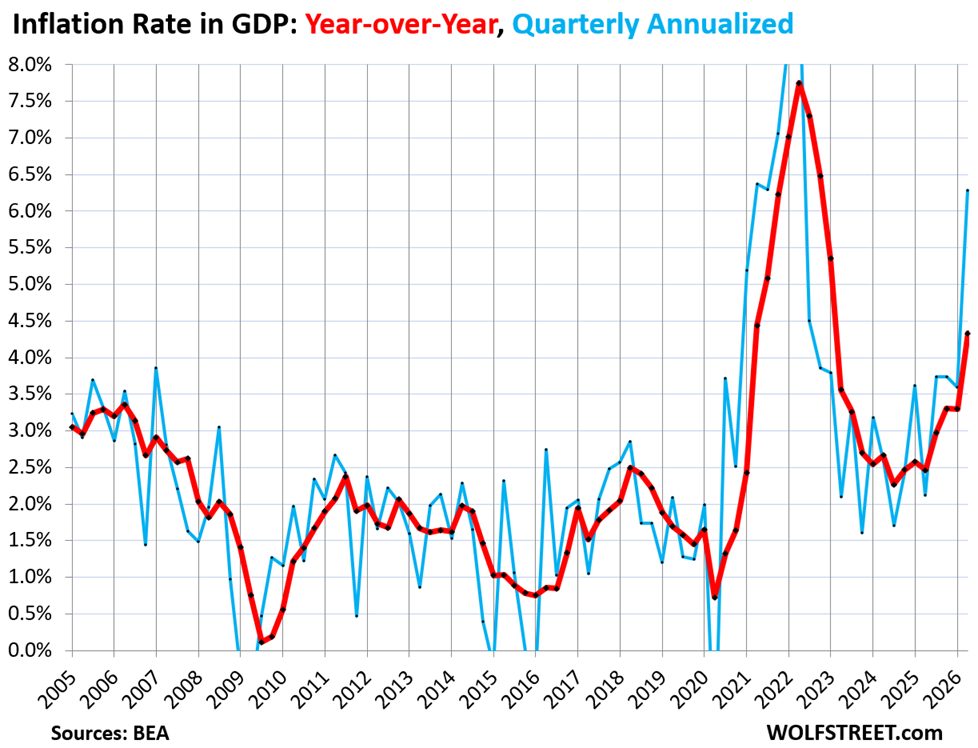
Broad-based price pressures across the US economy accelerated sharply in the second quarter, signaling persistent inflation risks that could complicate Federal Reserve policy and sustain upward pressure on long-term borrowing costs.
Broad-based price pressures across the US economy accelerated sharply in the second quarter, according to new data from the Bureau of Economic Analysis. Overall inflation in the gross domestic product deflator soared at a 6.3 percent annualized rate from the first quarter, marking the most severe increase since the second quarter of 2022.
Crucially, this surge extended well beyond volatile energy markets, even though energy prices began falling halfway through the quarter. Core GDP inflation, which excludes food and energy, jumped 4.4 percent on an annualized quarter-over-quarter basis. This represents the highest rate since the first quarter of 2023.
On a year-over-year basis, overall GDP inflation reached 4.3 percent, while core GDP inflation hit 3.8 percent. Both metrics mark the worst readings since early to mid-2023, indicating that price pressures have been accelerating sharply for four consecutive quarters across the entire economy.
The Federal Reserve primarily monitors the personal consumption expenditures price index, which also flashed significant warning signs. The quarterly PCE index jumped 5.1 percent annualized in the second quarter from the first, representing the second-worst increase since the first quarter of 2022.
Core PCE inflation, the central bank’s preferred gauge excluding food and energy, rose 3.4 percent annualized in the second quarter. This is the second-worst quarterly increase since the first quarter of 2024, with the year-over-year core rate climbing 3.3 percent to its highest level since the second quarter of 2023.
These figures reveal that inflation is not merely a household burden. Businesses and government entities are currently facing even higher inflation rates than consumers, pushing the overall economic inflation metrics well above consumer-specific readings.
The persistence of red-hot inflation across all economic participants is already reverberating through financial markets. Long-term borrowing costs have surged in response to the deteriorating price stability, with the 30-year Treasury yield recently hitting its highest level since 2007.
Market professionals and investors are now closely watching the Federal Open Market Committee. Policymakers face mounting pressure to coalesce around a decisive strategy to contain these broad-based price increases before they become further entrenched and destabilize long-term market expectations.