Nigeria private FX outflows surge 165% to $16.3bn

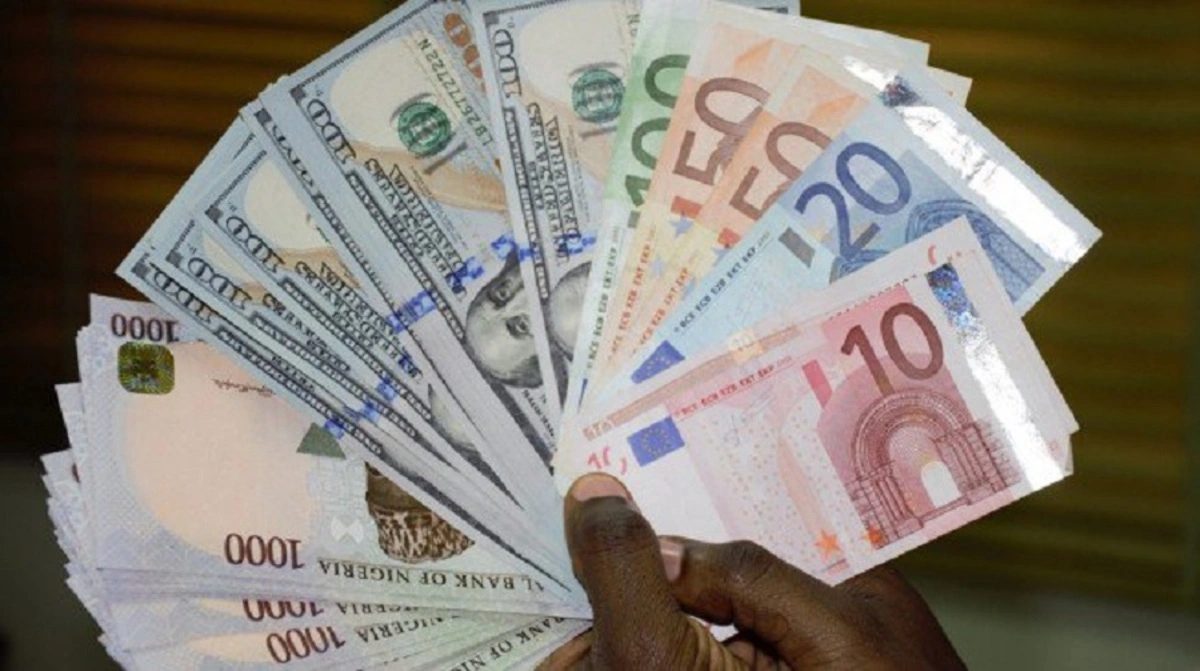
Private foreign exchange outflows from Nigeria surged 165% to $16.3 billion in 2025, signalling a decisive shift in market power away from the central bank as companies and wealthy investors hedge against currency and political risks.
Private sector foreign exchange outflows from Nigeria hit $16.26 billion last year, up from $6.14 billion in 2024, according to the Central Bank of Nigeria’s 2025 Annual Report. While total foreign exchange outflows rose 27.83% to $49.05 billion, central bank-mediated flows barely moved, edging up just 1.74% to $32.79 billion. The data reveals a structural handover of dollar power from state authorities to private actors.
This capital flight occurred despite a booming supply of hard currency. Total FX inflows reached an estimated $109 billion to $112 billion, driven by exporters, portfolio investors and diaspora remittances. Rather than a dollar shortage, the outflow surge reflects a deliberate repositioning of capital by those with access to foreign exchange.
Autonomous flows cover transactions bypassing the central bank, such as profit repatriation, corporate debt service and offshore portfolio shifts. Financial services accounted for $4.14 billion in outflows in the first quarter alone, nearly double the $2.31 billion deployed by the industrial sector. The dominance of financial flows over trade payments points to heavy hedging against further naira weakness.
The exodus is driven by overlapping domestic and international shocks. Since President Bola Ahmed Tinubu dismantled Nigeria's quasi-pegged exchange rate in 2023, the naira has lost roughly 70% of its value, including a 42% drop in 2024. Now, companies are front-loading import payments while wealthy individuals shift assets offshore ahead of the 2027 elections, for which party primaries begin in 2026.
Global trade tensions have accelerated the trend. US tariffs triggered sharp emerging-market outflows, forcing the CBN to sell $500 million in a single week and deploy another $197.71 million on 4 April. Omolara Duke, the CBN’s Director of Financial Markets, confirmed the April intervention was a direct response to global trade shocks. Analysts at Cowrywise warned that higher US interest rates risk reducing the appeal of Nigerian assets further.
The central bank's fading grip on marginal flows comes as Nigeria's underlying external position remains fragile. Reserves stood at $40.9 billion at the end of 2024, but the IMF’s 2025 Article IV Consultation highlighted lower oil prices and tighter global financing as critical threats. Nigeria has also struggled to meet its 1.5 million barrels per day OPEC quota, undermining the trade inflows needed to offset private capital flight.
Average monthly FX turnover rose to $8.1 billion in 2025, up from $5.5 billion the prior year, confirming that banks and corporates now drive the market. However, this liberalisation carries a steep domestic cost. As privileged actors move dollars offshore, middle-class and poorer households are left absorbing the downstream effects through imported inflation and weaker real wages.