Ferrari lifts profit guidance on AI wealth and hyper-personalisation
Ferrari has raised its full-year profit forecast after booming artificial intelligence wealth and a surge in vehicle customisation offset a decline in second-quarter shipments, reassuring investors about its margins during the electric transition.
Ferrari has increased its full-year adjusted operating profit forecast to at least €2.26 billion, up from a previous estimate of €2.22 billion. The Italian luxury automaker became the only European carmaker to lift its annual guidance, securing an industry-leading operating margin of at least 29.5 per cent.
The revised outlook follows a second quarter where vehicle shipments dropped 3.7 per cent to 3,366 units. Despite the volume decline, operating profit climbed 10 per cent to €605 million, driven by customers spending heavily on bespoke vehicle features rather than sheer unit sales.
Chief executive Benedetto Vigna noted that the surge in artificial intelligence-related share prices has created new wealth, calling it "a good opportunity" for the brand. However, he clarified that the push for hyper-personalisation is coming "from all the clients, not only from the AI situation, to personalise more and more cars".
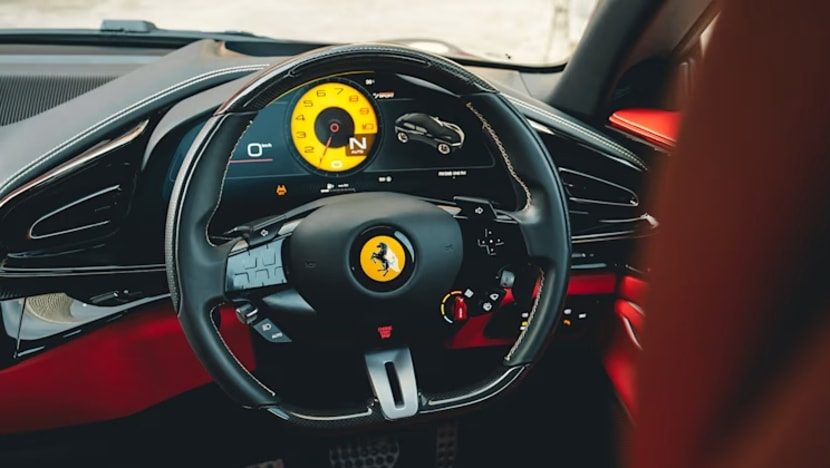
Buyers are increasingly paying premiums for both "aesthetics" needs, such as specific leathers, and "functional" needs, like extra cameras. Chief financial officer Antonio Picca Piccon expects this customisation trend to generate more than 20 per cent of the company's annual revenue.
Bernstein analyst Stephen Reitman observed that special-edition models like the 296 Speciale are probably enjoying "extremely high levels of personalisation, especially in the USA". He described the financial update as a welcome relief following market worries regarding luxury consumer health and margin sustainability.
Reitman predicted that Ferrari is likely to raise its financial guidance once again in the third quarter. The strong performance helps settle market anxieties regarding the company's ability to maintain elite profitability as the broader automotive industry transitions to electric powertrains.
Addressing the electric transition, Vigna expressed satisfaction with global uptake for the Luce, the marque's first battery-electric model. He declined to disclose exact sales figures for the EV but confirmed the momentum is geographically diverse.
Recent reporting indicates Ferrari has already achieved its annual sales target for the Luce. This milestone was reached on the back of robust demand from China, overcoming initial investor and enthusiast backlash over the vehicle's polarising design.