Peru overhauls power grid rules to unlock stalled investment
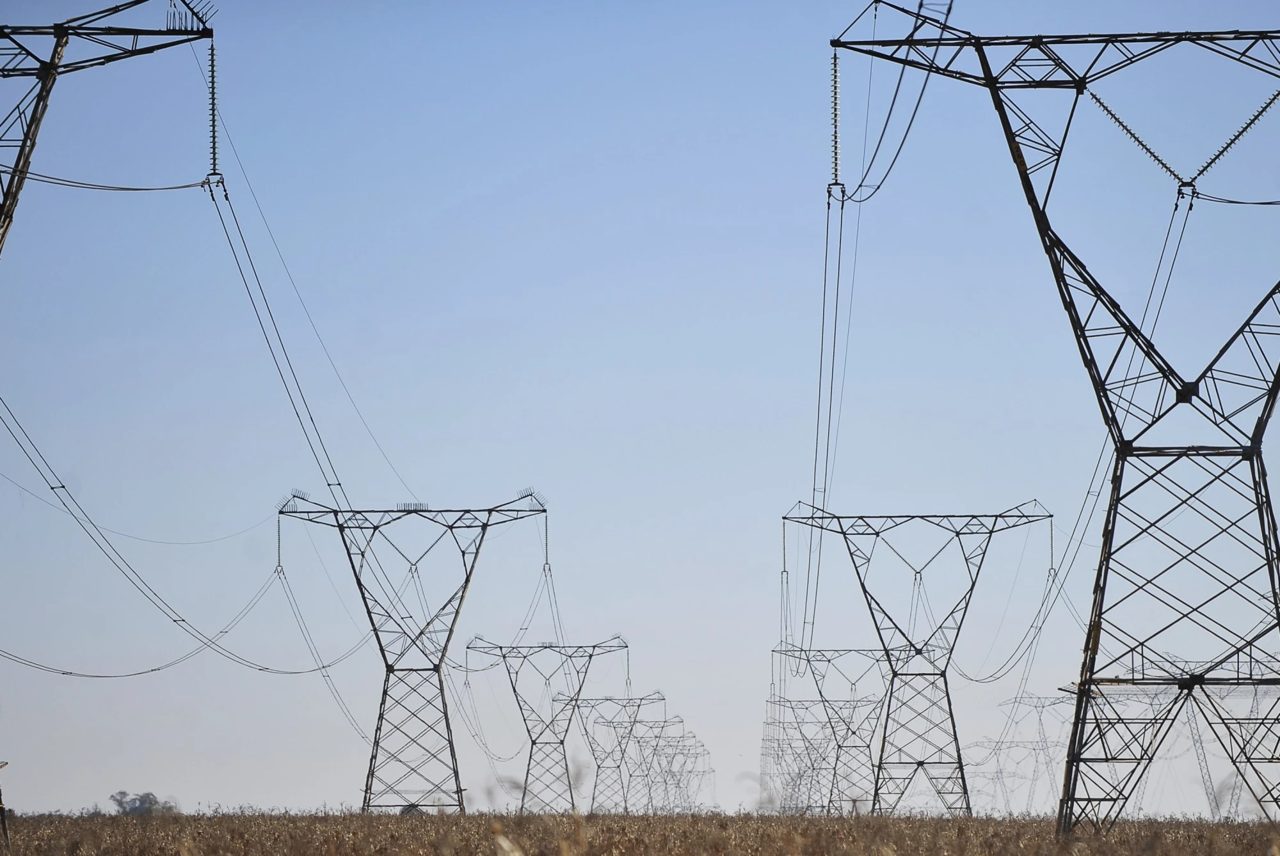
Peru has overhauled its power transmission rules to remove stalled projects and protect investor returns from inflation, a vital move to unblock a $64 billion mining pipeline constrained by grid bottlenecks.
Peru has fundamentally rewritten the rulebook for its high-voltage transmission network through a supreme decree issued in late June. The regulation, now in force, grants the energy ministry the authority to strip individual unviable projects from the national grid plan. Previously, only whole project packages could be removed, but the new rules allow the ministry to excise specific pieces when they lose technical, economic, or legal viability. The decree also introduces a mechanism to update the tariff base of grid reinforcements, shielding the real value of investments from international inflation.
For long-term infrastructure investors, these changes address two critical pain points: bureaucratic paralysis and eroding returns. Inflation-protected revenue streams are a baseline requirement for committing capital to grid projects in emerging markets. By formally clearing dead schemes that have stalled for years, the government aims to accelerate the priority works the network actually requires. This provides the predictability necessary to unlock fresh financing.
The economic stakes are substantial. Peru is a leading global copper producer sitting on a mining project pipeline valued at roughly $64 billion. None of that copper can be extracted and moved without highly reliable electricity. As demand from the industrial and residential sectors climbs, the physical limits of the transmission network threaten to delay new mine developments and slow overall economic growth.
The regulatory shift arrives alongside tangible momentum. The state investment agency recently awarded four transmission schemes worth approximately $339 million, designed to supply 1.6 million people across four regions. Furthermore, the decree lands just weeks before a new administration takes office. The incoming government has pledged to prioritize strategic infrastructure and actively court private capital, making this deregulation a timely signal to markets.
This transmission overhaul is part of a broader modernization effort aimed at the energy transition. The energy ministry is simultaneously reworking regulations for complementary services, shifting from an administrative framework to a market-driven model to integrate variable renewable power. Given that Chinese state enterprises hold significant stakes in Peru's power sector, these rule changes carry substantial international weight, though the ultimate test will be whether power lines actually get built.