Takaichi orders 1% food tax cut, straining Japan finances
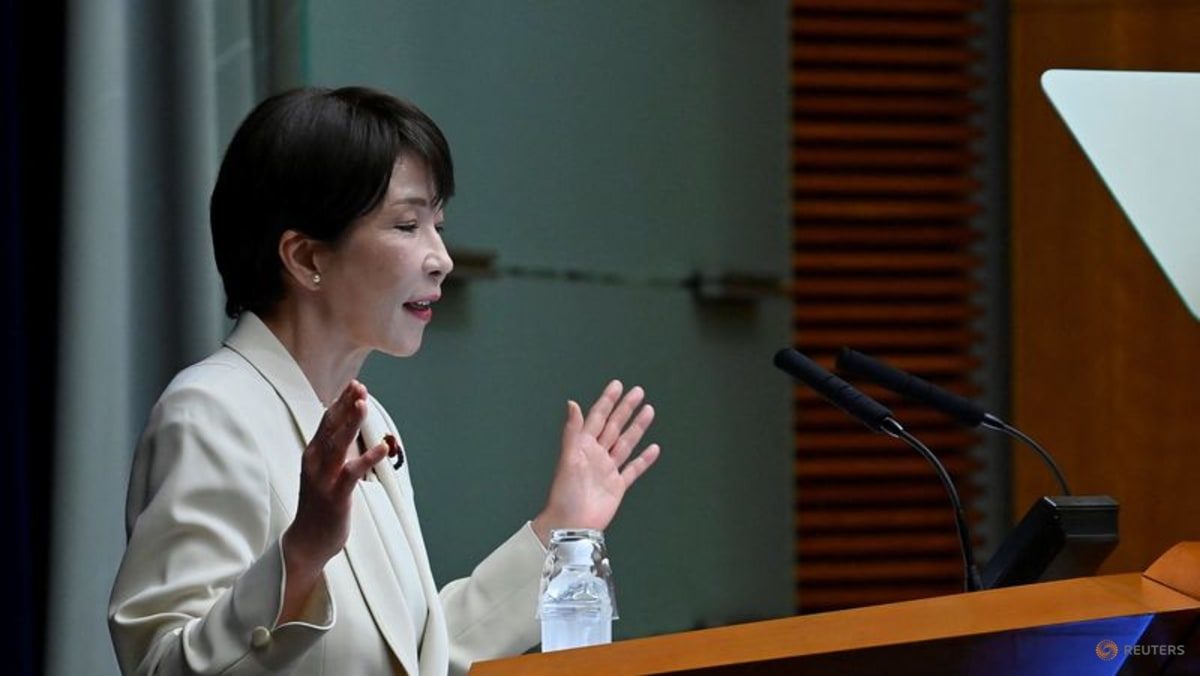
Japanese Prime Minister Sanae Takaichi has ordered a temporary cut to the food sales tax to 1%, marking a historic shift in fiscal policy that threatens to strain the nation's already precarious public finances.
Japanese Prime Minister Sanae Takaichi has directed the ruling Liberal Democratic Party (LDP) to prepare legislation slashing the 8 per cent sales tax on food to 1 per cent for two years, starting next April. A senior ruling party official confirmed the directive following a meeting with party executives on Thursday. The government aims to finalise the plan in an early August cabinet meeting before submitting a bill to parliament this autumn.
For investors and credit analysts, the move signals a willingness to trade fiscal discipline for short-term political relief from rising living costs. If enacted, it will be the first reduction in Japan’s consumption tax since its introduction in 1989. The levy is a critical revenue source used to fund the escalating social welfare and healthcare demands of a rapidly ageing population. Dismantling even a portion of this funding mechanism introduces immediate risks to Japan's sovereign debt trajectory, which is already the heaviest in the developed world.
LDP Secretary-General Shunichi Suzuki attempted to soothe market concerns over the resulting revenue shortfall. He told reporters that an overshoot in overall tax revenues would fund the food levy cut "without needing to resort to debt issuance." Suzuki also emphasised there was "strong political determination to move the tax rate back up after two years."
Despite these assurances, the proposal faces significant pushback from both ruling and opposition lawmakers deeply worried about Japan's deteriorating balance sheet. The administration has yet to provide a comprehensive explanation of how it will bridge the gap left by the reduced food tax over the two-year period. For bond markets, the plan introduces fresh uncertainty about Tokyo's commitment to long-term fiscal consolidation. Any reliance on revenue overshoots is inherently volatile, leaving the government exposed if economic growth slows.
Takaichi has framed the two-year tax suspension as a necessary measure to cushion consumers from inflation before the introduction of a new payout system targeted at low and middle-income households. However, replacing a broad-based, predictable consumption tax with direct cash transfers represents a structural shift in Japan's economic policy framework. Retailers and consumer goods companies will need to assess how a 7-percentage-point drop in food taxation impacts pricing strategies and margins. The LDP’s tax panel must now navigate these complex fiscal and political discussions to build enough consensus to pass the legislation later this year.