Meta mulls selling AI compute as capex surge crushes cash flow
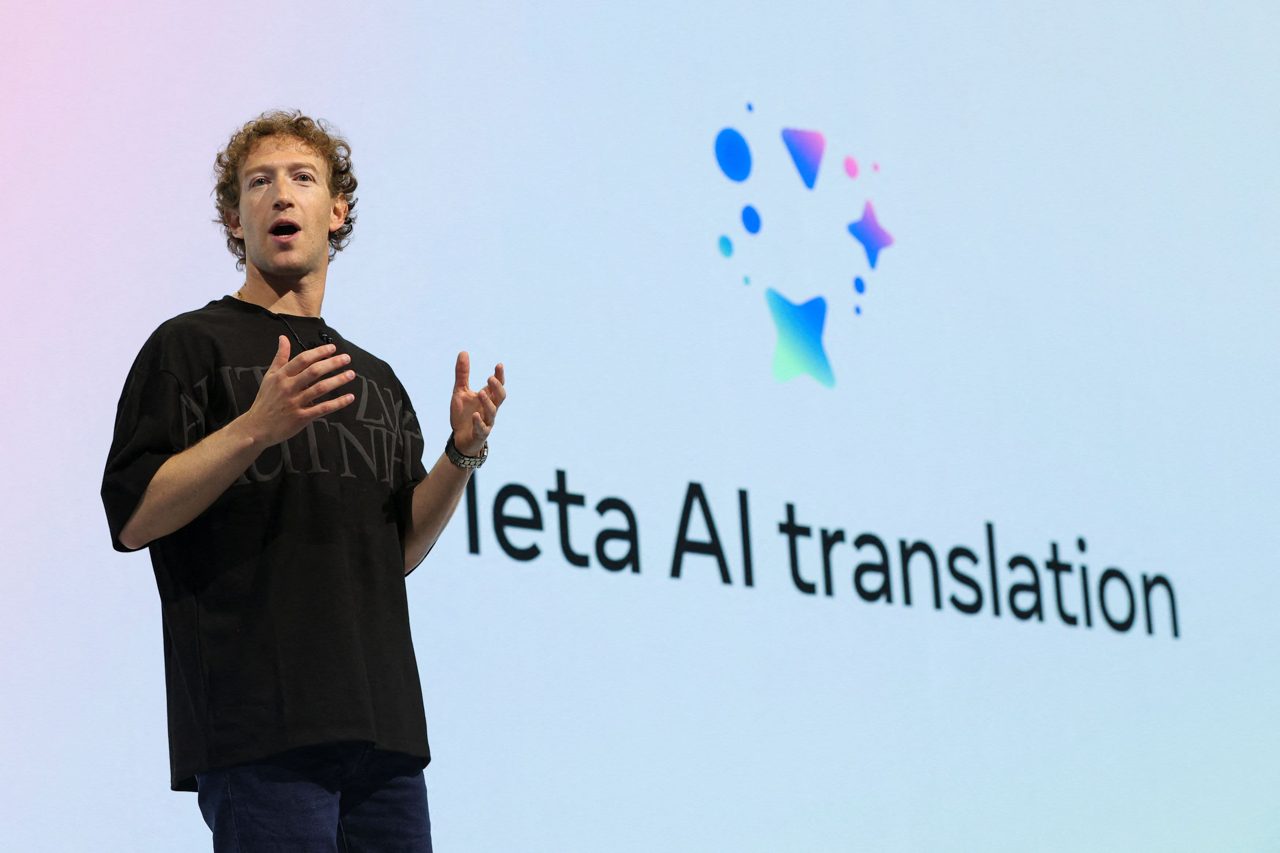
Mark Zuckerberg is weighing a move into the cloud infrastructure market to monetize Meta's massive AI compute capacity, a potential strategic pivot that investors are desperately seeking as capital expenditures crush the company's free cash flow.
Meta’s chief executive said on Wednesday the company is fielding offers to sell its computing power at a "significant premium," signaling a possible end to its status as the only major US hyperscaler without a cloud business. The remarks followed a disappointing third-quarter revenue forecast and a 90% year-over-year plunge in free cash flow. Shares fell more than 7% in after-hours trading, extending a yearly decline to 11%.
The financial strain stems from an industry-wide AI infrastructure arms race. Meta raised the lower bound of its 2026 capital expenditure guidance by $5 billion, now targeting a range of $130 billion to $145 billion. This staggering outlay mirrors the scale of peers like Alphabet, which recently pushed its capex ceiling to $205 billion, and Microsoft, which projected roughly $175 billion in spending.
Zuckerberg framed the decision on whether to lease or retain this capacity as a portfolio management exercise. Anthropic is already in preliminary talks to lease computing power from Meta. However, the company is simultaneously trying to close the gap with OpenAI, Anthropic and Google in the foundational model race. Under new AI chief Alexandr Wang, Meta recently debuted the Muse Spark 1.1 model. "It would be foolish to basically just sell all of the compute and take a short-term profit," Zuckerberg said.
A shift toward enterprise cloud sales would mark a strategic reversal for a company that has historically struggled in the business-to-business market. Zuckerberg indicated a potential offering would go beyond raw capacity to include APIs, productivity tools and AI agents. To execute this, Meta must build an entirely new sales division. The company is taking initial steps by hiring Dave Brown, a former senior Amazon Web Services executive. "That's going to be somewhat a new muscle that we build as a company," Zuckerberg said.
Winning over skeptical investors will require more than vague promises. The market has not forgotten the billions burned on the metaverse pivot; Reality Labs alone lost $4.62 billion in the recent quarter against revenue of $431 million. With digital ads still accounting for 98% of total revenue, the burden is on Zuckerberg to prove that massive AI infrastructure spending can generate returns outside his core advertising business. "I think everyone wants clarity into what he wants to do in the compute business," noted Jefferies analyst Brent Thill.