EU sanctions ground Spain's firefighting fleet as wildfires surge
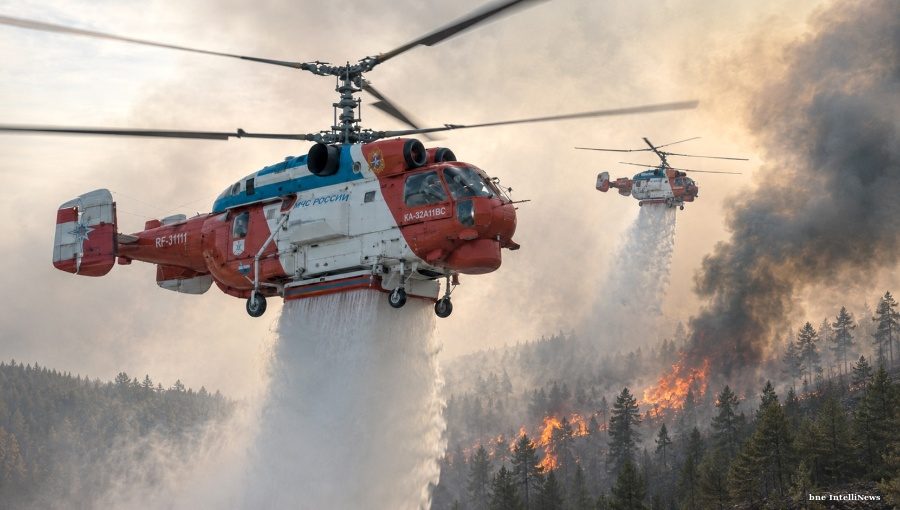
A lack of Russian spare parts has idled Spain's Kamov helicopters during its worst wildfire season in decades, highlighting a costly gap in European emergency procurement that domestic aerospace firms have yet to fill.
Spain's entire fleet of Russian-built Kamov Ka-32 helicopters is grounded just as the country battles its worst wildfire season in decades, following EU sanctions that cut off spare parts and maintenance support.
Of the eight Ka-32s Spain had under contract, only three were operational last year and none are flying now, a government spokesperson confirmed to parliament. Madrid cannot source parts or secure the Russian technicians required to certify the aircraft.
The grounding exposes a critical shortfall in European industrial capacity. Spain has tried to secure replacement aircraft from Airbus on the international market, but has so far failed. EU officials argue Madrid had time to transition to European alternatives, though Spanish media reports suggest the government simply lacked the budget to fund the replacements before the current fire season.
The operational gap extends across the continent. Portugal transferred its six Ka-32s to Ukraine, stripping its own fleet, while Greece, Bulgaria, and Cyprus also historically relied on the Russian aircraft. The sudden loss of this capacity strains Europe's civil defense infrastructure.
The lack of aerial firepower comes as fires ravage the country. Prime Minister Pedro Sánchez declared a national emergency on July 24 as blazes in Ávila and Toledo provinces merged into the largest wildfire in Spanish history, burning over 95,000 hectares combined. Roughly 153,000 hectares have burned nationally—six times the area destroyed over the same period last year.
The economic toll is mounting. An earlier Andalusia blaze killed 12 people, while 75,000 residents have been evacuated. Sánchez announced a formal civil protection emergency on July 26 to unlock recovery funding, and Spain has relied on deployed aircraft from Greece, Italy, and Turkey. For insurers and catastrophe-risk investors, the 2024 season is on track to surpass last year's record one million hectares burned across Europe.