Ghana cedi reverses to Africa's worst on oil, debt outflows
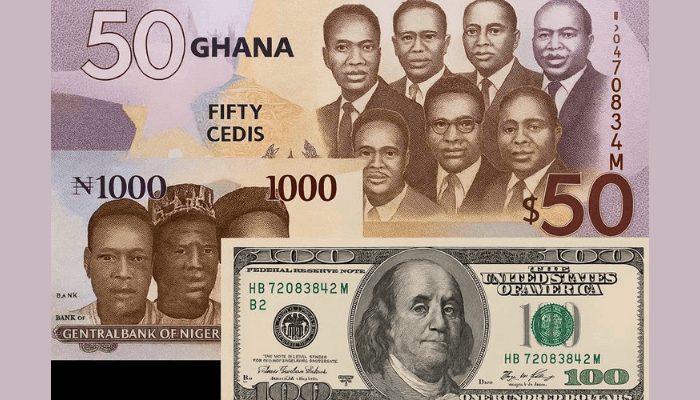
Ghana's cedi has slumped to become Africa's worst-performing currency this year, testing the resilience of the country's IMF-backed recovery as rising oil import costs and debt repayments drain dollar liquidity.
The cedi has depreciated 11.6 percent against the dollar since January, making it the weakest of 17 African currencies tracked by African Markets as of July 28. This marks a sharp reversal from 2025, when a 40 percent rally made it the continent's top-performing currency.
For investors, the shift raises questions about whether Ghana's macroeconomic turnaround can withstand external shocks. The 2025 recovery was built on IMF fiscal reforms, surging gold exports, and interest rate hikes that tamed inflation to 9.4 percent. Those fundamentals remain intact, but dollar liquidity is under acute pressure.
Geopolitical tensions have been the primary external catalyst. Hostilities between the US and Iran pushed Brent crude near $100 a barrel, punishing Ghana as a net fuel importer. According to Isaac Kofi Agyei, head of research and data at JoyNews, the monthly petroleum import bill has jumped from roughly $400 million in 2025 to about $500 million this year.
Domestic factors have compounded the strain. The government recently made an early $700 million Eurobond repayment, bringing total external debt servicing to $2.1 billion since early last year. “The government has been accelerating eurobond repayments, which pulls more foreign currency out and weighs on the cedi,” Agyei said. He added that corporate demand for dollars has also surged unusually early as businesses stockpile inventory ahead of Christmas.
The Bank of Ghana has responded by aggressively increasing its foreign exchange supply. Weekly auctions spiked to around $220 million in the second week of July, up from a previous range of $50 million to $100 million. However, this intervention has so far failed to satisfy demand.
Wilson Zilevu, an analyst at Databank Research, argued the selloff is driven by market dynamics rather than a return to the structural crises that triggered Ghana's 2023 IMF bailout. He noted that the central bank's reserves stand at roughly $14 billion, providing a substantial buffer.
“The buffers are strong, but having strong buffers without any intervention or mediation in the market would fuel speculative bearish expectations, which can then lead to normal depreciation along the curve,” Zilevu said. Until the central bank visibly closes the gap between dollar supply and corporate demand, the currency remains vulnerable to further bearish positioning.