Leaked Shell documents revive $10.9B Niger Delta liability fears
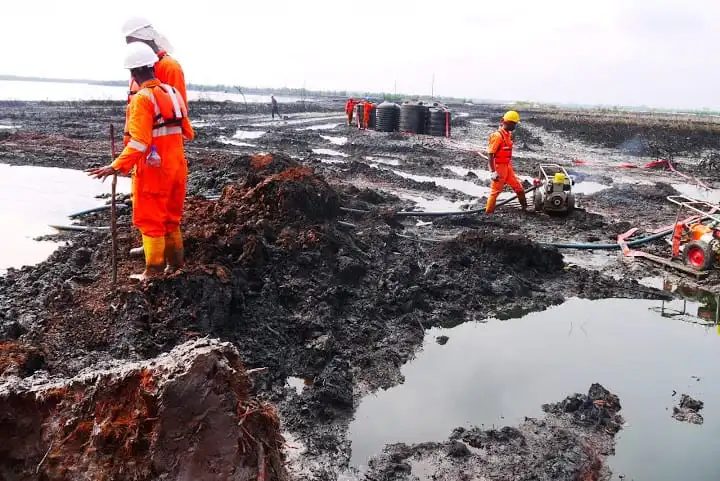
Internal Shell records released through UK litigation have exposed severe infrastructure gaps in Nigeria, raising investor concerns over a potential $10.9 billion decommissioning bill and the integrity of ongoing oil major divestments.
Internal Shell documents have revealed that the company continued operating severely degraded pipelines in Nigeria's Niger Delta despite known safety risks, according to a new Amnesty International report. The disclosures, drawn from corporate records dating from 2008 to 2014 and recent UK court filings, put a harsh spotlight on the company's legacy environmental liabilities.
For investors, the primary concern is a potential $10.9 billion decommissioning bill tied to these former operations. The report challenges Shell’s long-standing emphasis on oil theft and sabotage as the main causes of pollution, suggesting instead that systemic failures in pipeline management played a central role.
The documents reveal a striking lack of operational oversight. Internal audits identified a maintenance backlog involving more than 1,600 pipeline clamps, including older ones whose locations were entirely unknown. Furthermore, a 2014 review found hundreds of wells missing from electronic tracking systems or in an unverifiable condition.
Rather than halt production to address these risks, Shell executives reportedly opted to keep crude flowing. Records indicate illegal taps were left on pipelines because removing them would cause "considerable system downtime." Shell’s Nigerian subsidiary, SPDC, was also reportedly exempted from elements of global health and safety standards to maintain production through tampered infrastructure.
A specific point of financial and legal contention is the Nembe Creek Trunk Line. Although Shell replaced the pipeline in 2010, an internal email from 2014 revealed that 80 kilometres of the old line remained filled with stagnant crude and had recorded six operational spills.
“Shell knew the risks from ageing and leaking infrastructure, including an old pipeline internally described as ‘a basket’ [case], yet kept oil flowing,” Amnesty International said. Shell rejected the report's characterization, stating it did not reflect the "challenging operating environment in the Niger Delta at the time."
The revelations carry significant implications for Nigeria's broader energy sector. SPDC reported 20 operational spills exceeding 100 kilograms in 2024 alone. Meanwhile, the Nigeria Extractive Industries Transparency Initiative (NEITI) is currently reviewing $6.03 billion worth of divestments across 26 oil blocks by five international oil companies. Inadequate historical baseline data on pipeline integrity complicates the due process of transferring these high-risk assets to local buyers.