Hormuz Traffic Drops to Trickle as Iran Threatens More Disruptions
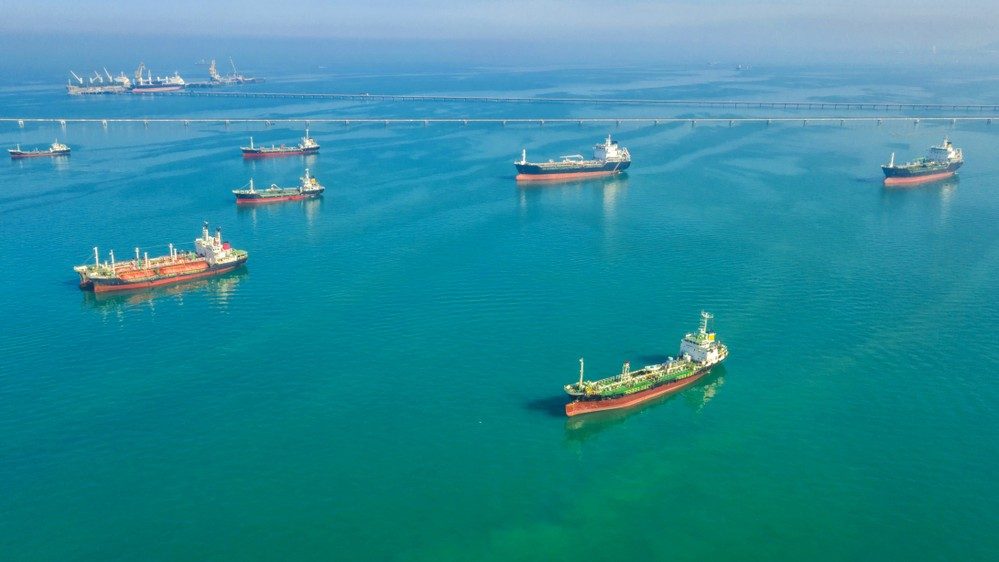
A near-total halt to visible shipping through the Strait of Hormuz has driven oil prices higher and pushed equities and bond yields lower as markets price in a protracted supply shock.
Iran’s Islamic Revolutionary Guard Corps warned on Monday that continued U.S. military intervention in the Strait of Hormuz "could lead to greater incidents in the global oil and gas sector." The stark warning followed a weekend of additional U.S. airstrikes on Iran, launched in retaliation for Iranian attacks on commercial vessels. Tehran has declared the critical maritime chokepoint closed once again.
The sharp escalation is no longer just theoretical, as physical shipping data corroborates the disruption. Analytics firms monitoring commercial traffic noted a distinct uptick in dark-mode transits over the weekend. By the early hours of Monday, not a single vessel was visible on tracking services attempting to cross the strait.
Global markets have moved quickly to digest the reality of a physical bottleneck at one of the world's most vital transit points. Oil prices climbed on Monday while equities dropped and government bond yields fell simultaneously. This classic risk-off shift was driven by expectations that a prolonged disruption to crude flows will stoke renewed inflation fears.
“Escalation has slowed vessels transiting the strait to a trickle, renewing concerns over oil supply tightness through the third quarter,” ING commodities strategists Warren Patterson and Ewa Manthey wrote in a morning note. Their assessment highlights the immediate threat to near-term supply chain planning for global energy firms.
For corporate planners and commodity traders, the focus is now squarely on the duration of the closure rather than the immediate shock. The IRGC stated that an end to U.S. military interventions is the sole condition for restoring regular shipping traffic through the waterway. With diplomatic signals firmly hardened, the market is being forced to price in a protracted period of supply uncertainty.
The uncompromising posture was echoed by Mohammad Baqer Qalibaf, Iran’s top negotiator. “The era of one-sided deals is OVER. We told you: keep your word or pay the price. Reality is knocking,” he wrote on X on Sunday.