ADNOC ships LNG through Hormuz despite rising maritime risks
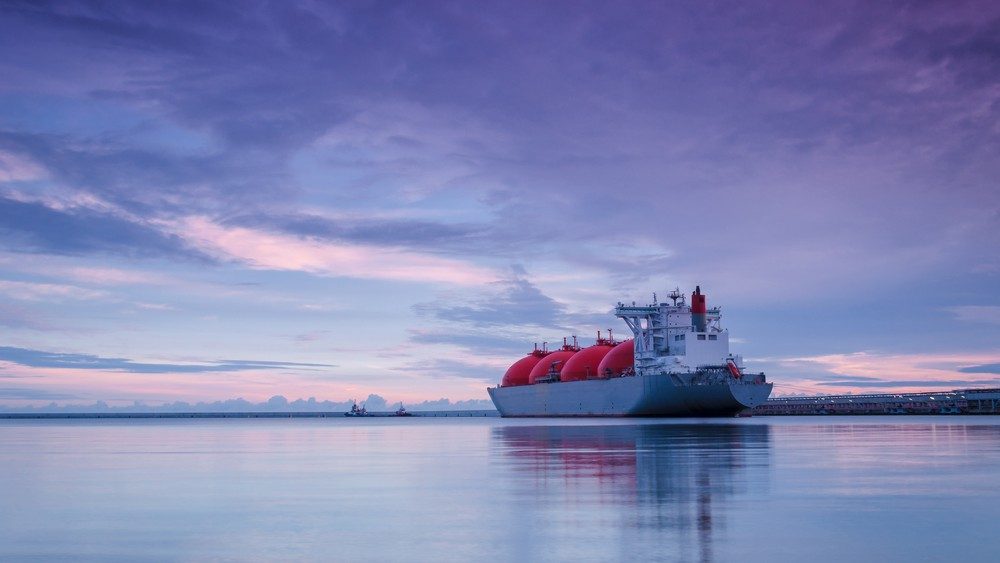
ADNOC is continuing to export liquefied natural gas through the high-risk Strait of Hormuz with tracking disabled, setting up a pricing clash with buyers who want discounts to offset surging war-risk insurance costs.
An ADNOC LNG tanker exited the Strait of Hormuz earlier today with its location devices switched off to avoid detection. The move demonstrates the Abu Dhabi state energy company's willingness to maintain export flows despite escalating military threats in the Persian Gulf.
The covert navigation follows an attack by Iranian forces on a Qatari LNG carrier earlier this month, an incident that severely dampened the risk appetite of commercial energy shippers operating in the region. Despite these dangers, ADNOC is moving aggressively to fill the supply vacuum left after its neighbor Qatar declared force majeure on its massive Ras Laffan LNG hub. The firm was also reportedly loading another carrier at its Das Island facility late last week, underscoring its push to keep cargoes moving.
This operational urgency is colliding with a growing pricing dispute between Gulf exporters and international buyers. LNG importers are actively pressuring both Qatar and the UAE to reduce cargo prices. Buyers argue that the Persian Gulf has become substantially more dangerous following a late-February attack by the U.S. and Israel on Iran. Because this elevated threat environment is driving up the cost of maritime insurance, importers insist that sellers must compensate by lowering the underlying price of the liquefied gas.
ADNOC’s corporate strategy, however, reflects a bet that global hunger for gas will outweigh localized security fears. Earlier this month, ADNOC Logistics and Services placed a $900-million order for four newbuild LNG carriers specifically to expand its export capacity. This follows an existing backlog of eight additional vessels worth a combined $2.5 billion currently under construction at South Korean shipyards Samsung Heavy Industries and Hanwha Ocean.
Those eight ships are scheduled for delivery starting in 2028. Crucially, they are already contracted on 20-year time charters to ADNOC Gas, securing revenue streams far beyond the current conflict. For investors and market participants, the situation highlights a stark divergence: while buyers demand discounts to price in the immediate risk of transiting the Strait of Hormuz, Abu Dhabi is spending billions to ensure it can capture long-term global market share.