UK weighs retail war bonds for defense as hedge funds boost short positions
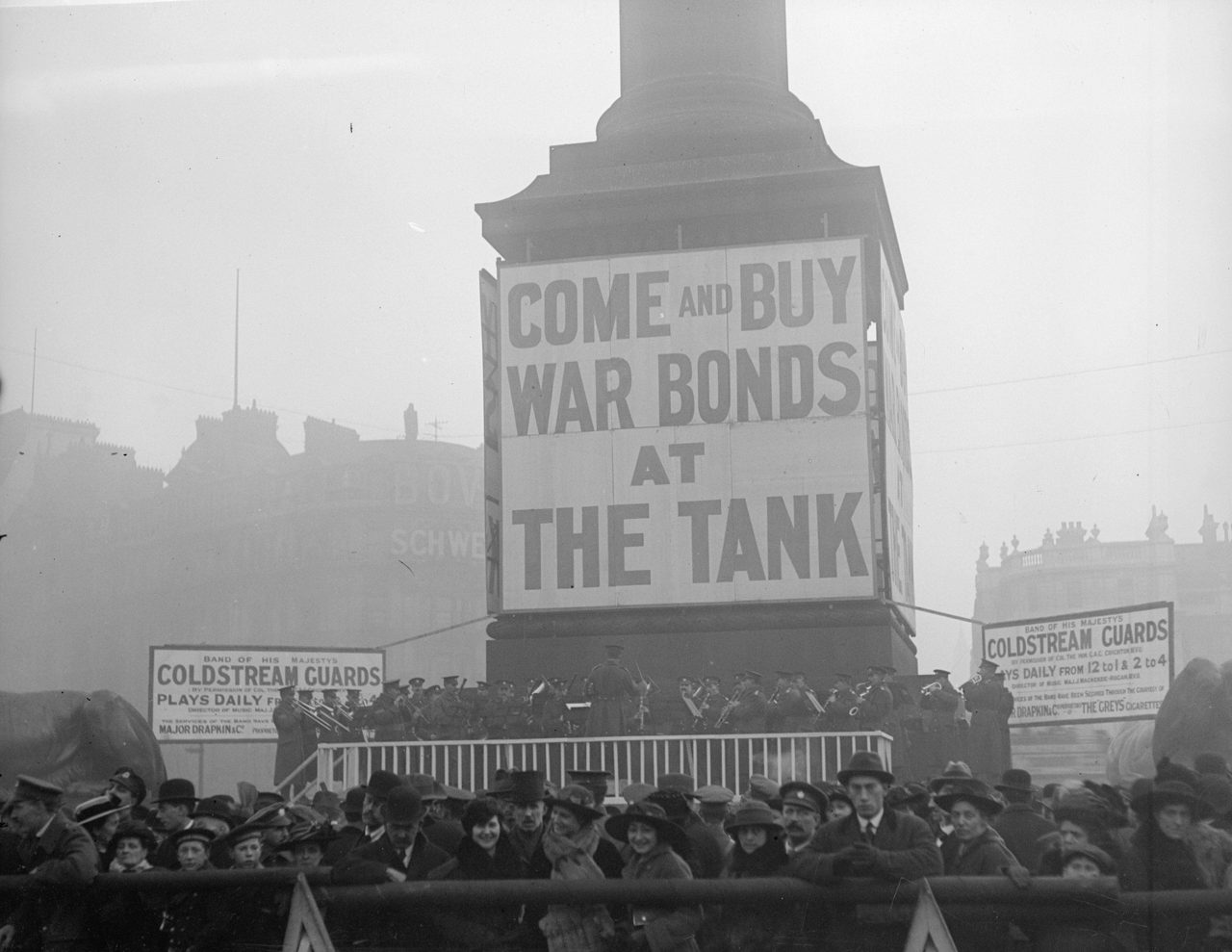
Prime Minister Andy Burnham and Chancellor John Healey are exploring retail war bonds to finance a defense expansion, a move that has boosted security stocks but revived memories of historical investor losses and drawn fresh short-selling pressure on broader UK equities.
The UK government is considering issuing retail war bonds to finance increased defense spending. Prime Minister Andy Burnham and Chancellor John Healey are backing the initiative to fund a military buildup without relying solely on traditional sovereign debt markets.
Andy Haldane, a former Bank of England chief economist advising the prime minister, proposed using tax incentives to encourage purchases. He suggested this could tap into the £2 trillion currently held in British bank deposits, noting that a quarter of the public expressed willingness to buy such instruments.
The proposal arrives as hedge funds aggressively expand wagers against UK-listed equities, with disclosed short positions surging fivefold in the first half of 2026. Conversely, defense sector shares have rallied following Healey’s appointment as chancellor, reflecting market optimism for security spending.
Critics warn that the strategy merely shifts the burden of sovereign borrowing onto retail investors. Former prime minister Rishi Sunak argued that the government would be foolish to test the market's appetite for additional lending, emphasizing that war bonds remain debt by another name.
Historical precedents highlight the severe financial risks for retail participants. During the First World War, Chancellor David Lloyd George launched a massive loan drive in 1917, raising £2.5 billion from three million investors under the marketing promise that they would run no risk.
That promise proved false when Neville Chamberlain forced a conversion in 1932, swapping the 5% debt into 3.5% perpetuals to manage costs during the Great Depression. When the outstanding £1.9 billion was finally redeemed by George Osborne in 2014, inflation had eroded the original £100 investment to a value of roughly £2.
The debate over defense funding intensifies as markets await the Bank of England's interest rate decision on July 30. Investors will be watching closely to see if the Treasury prioritizes retail fundraising or relies on institutional markets to finance its new economic model.