Iranian Strikes on Gulf States Redefine Regional Energy Risk

Iran's coordinated attacks on five Gulf states caused limited physical damage to energy infrastructure but proved Tehran can paralyze regional logistics at will, embedding a permanent risk premium into global oil and gas markets.
Iran attacked Qatar, Bahrain, Kuwait, Oman, and Jordan with missiles and drones on Sunday, retaliating after the United States struck roughly 140 military targets inside Iran. While global oil exports continued to flow, the coordinated bombardment expanded the regional conflict zone to encompass nearly every critical energy facility and shipping route in the Middle East.
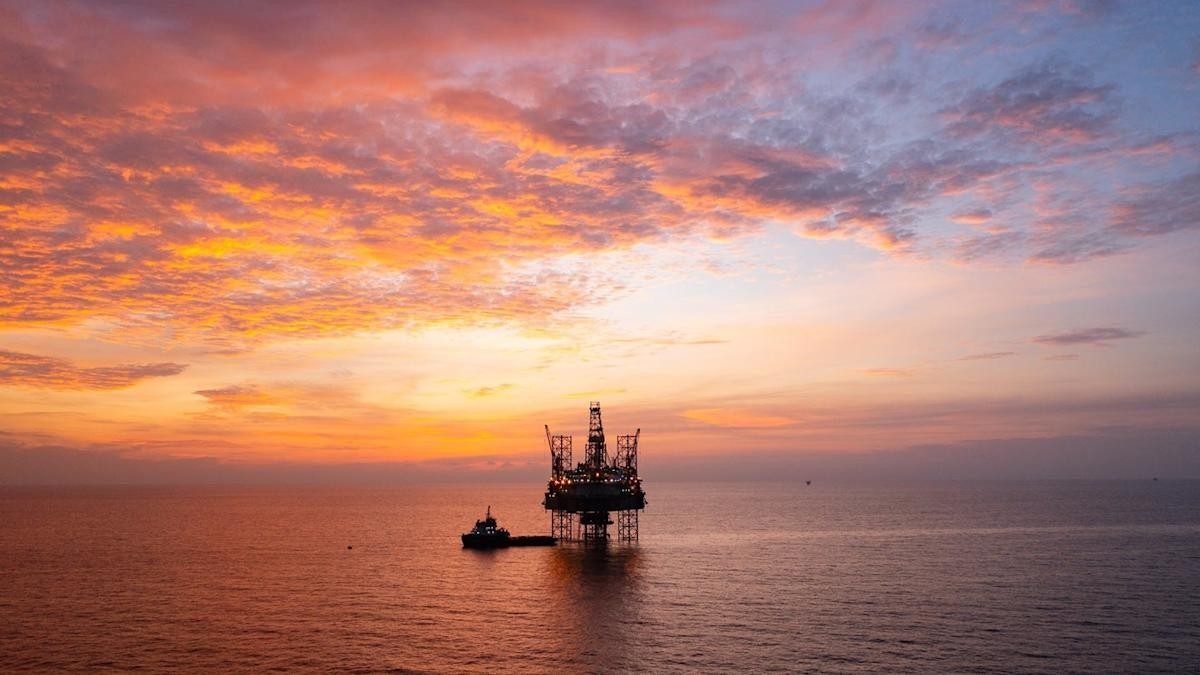
The only confirmed damage to operating energy infrastructure occurred in Kuwait, where a drone struck an offshore drilling platform operated by Kuwait Oil Company, injuring one worker. Kuwait has not reported any production losses or identified the specific platform affected.
In Qatar, the world’s largest liquefied natural gas exporter, air defenses intercepted two waves of ballistic missiles over Doha. Falling debris injured three people, including a child. The country temporarily suspended civilian marine activity and raised its security alert, though operations at Ras Laffan and its LNG terminals continued without disruption.
Perhaps the most consequential development for energy markets occurred in Oman, where drone attacks hit the Musandam and Al Wusta governorates. Musandam borders the southern Strait of Hormuz, while Al Wusta houses the deepwater port of Duqm. Buyers had increasingly routed cargoes through Omani ports to bypass the Hormuz chokepoint, making Sunday’s strikes a direct blow to the region's primary alternate energy outlet.
Bahrain and Jordan also reported intercepting or absorbing Iranian projectiles. Bahrain, which hosts the U.S. Navy’s Fifth Fleet, placed its military on the highest level of readiness. Jordan’s inclusion marked the westward expansion of the attack zone beyond the primary Gulf energy corridor.
For investors and corporate planners, the immediate physical toll is secondary to the strategic shift. Tehran deliberately avoided destroying its most economically damaging targets, such as major refineries, LNG export complexes, and desalination plants. Instead, the offensive proved Iran can simultaneously force multiple Gulf governments to suspend commercial maritime activity, activate air defenses, and issue shelter-in-place warnings.
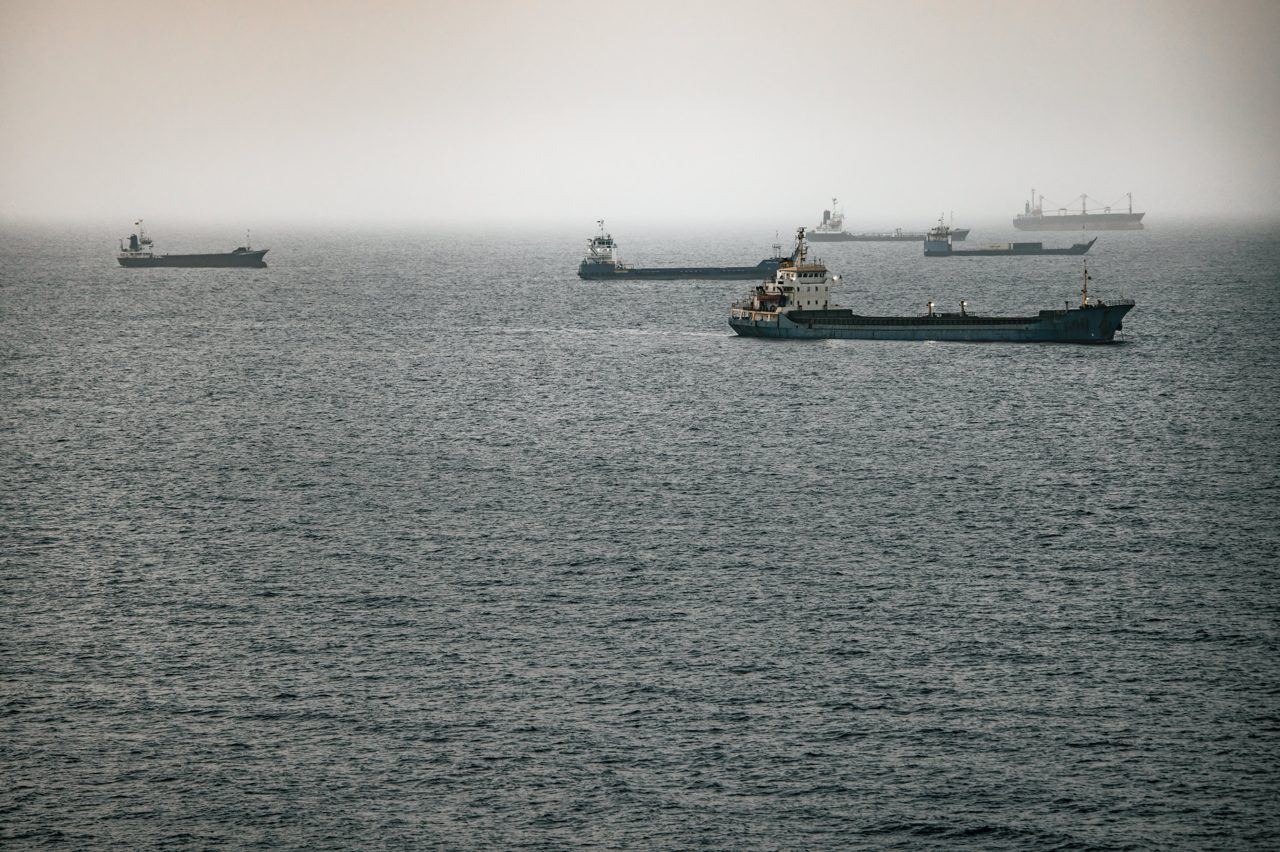
This strategy seeks to transform the Strait of Hormuz from an internationally managed shipping lane into a contested asset under practical Iranian control. Even without a significant drop in production, the constant threat of coordinated strikes increases tanker routing costs, disrupts crewing schedules, and forces energy companies to price in a permanently elevated threat level across the Arabian Peninsula.