Thailand tightens USDT, cash rules in $3.4B scam crackdown
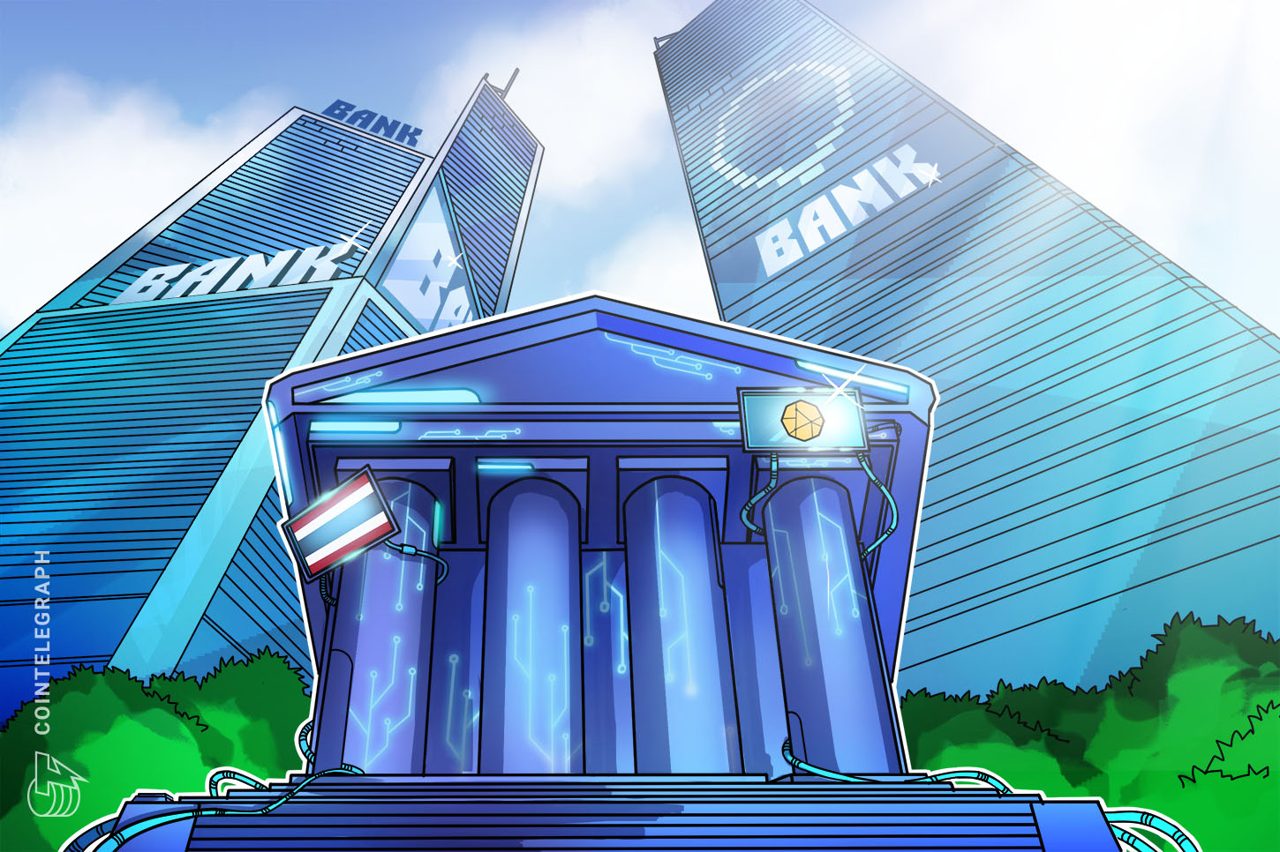
The Bank of Thailand is expanding compliance duties for banks and exchanges to monitor stablecoin and cash flows, aiming to dismantle a $3.4 billion illicit scam economy that increasingly relies on digital assets.
The Bank of Thailand and the national securities regulator are launching audits of high-volume stablecoin transactions, with a specific focus on USDt (USDT), as part of a sweeping crackdown on money laundering. Commercial banks will immediately face expanded compliance duties across cash networks, currency exchanges, and gold bullion trading to stop the facilitation of shadow economies.
The intervention targets a massive "gray money" ecosystem largely driven by Chinese-affiliated scam call centers operating in the region. Fraud losses in Thailand reached 115 billion baht ($3.4 billion) in 2025, alongside 173 million recorded scam calls and texts. Perpetrators have increasingly relied on stablecoins to move these illicit funds across borders, exploiting the asset class's near-instant settlement capabilities.
This heightened scrutiny poses direct risks to the local digital asset market. While crypto trading remains legal, the central bank explicitly outlaws digital asset and stablecoin payments. The focus on USDT is particularly relevant for major exchanges like Bitkub, which sees about $26 million in daily volume, with the USDT/THB pair accounting for nearly 40% of that activity, according to CoinGecko.
Beyond digital assets, the central bank is tightening physical cash controls. High-value cash transactions will now mandate a source-of-funds declaration. Regulators will specifically flag exchanges of large volumes of high-denomination banknotes for smaller denominations if they lack a clear business justification, and cash deposits exceeding 5 million baht ($150,000) will require full disclosure.
However, aggressive enforcement carries significant operational risks for the real economy. During a 2025 crackdown on mule accounts and suspicious activity, Thai banks froze roughly three million bank accounts. The broad dragnet accidentally trapped thousands of legitimate businesses and individuals, severely disrupting normal commerce.
Authorities signal that this new regulatory push is permanent. “The measures we are implementing are not short-term fixes; they require the continuous deployment of multiple parallel strategies,” Bank of Thailand Governor Vitai Ratanakorn said. Financial institutions and crypto exchanges must now balance elevated compliance costs against the risk of regulatory penalties.