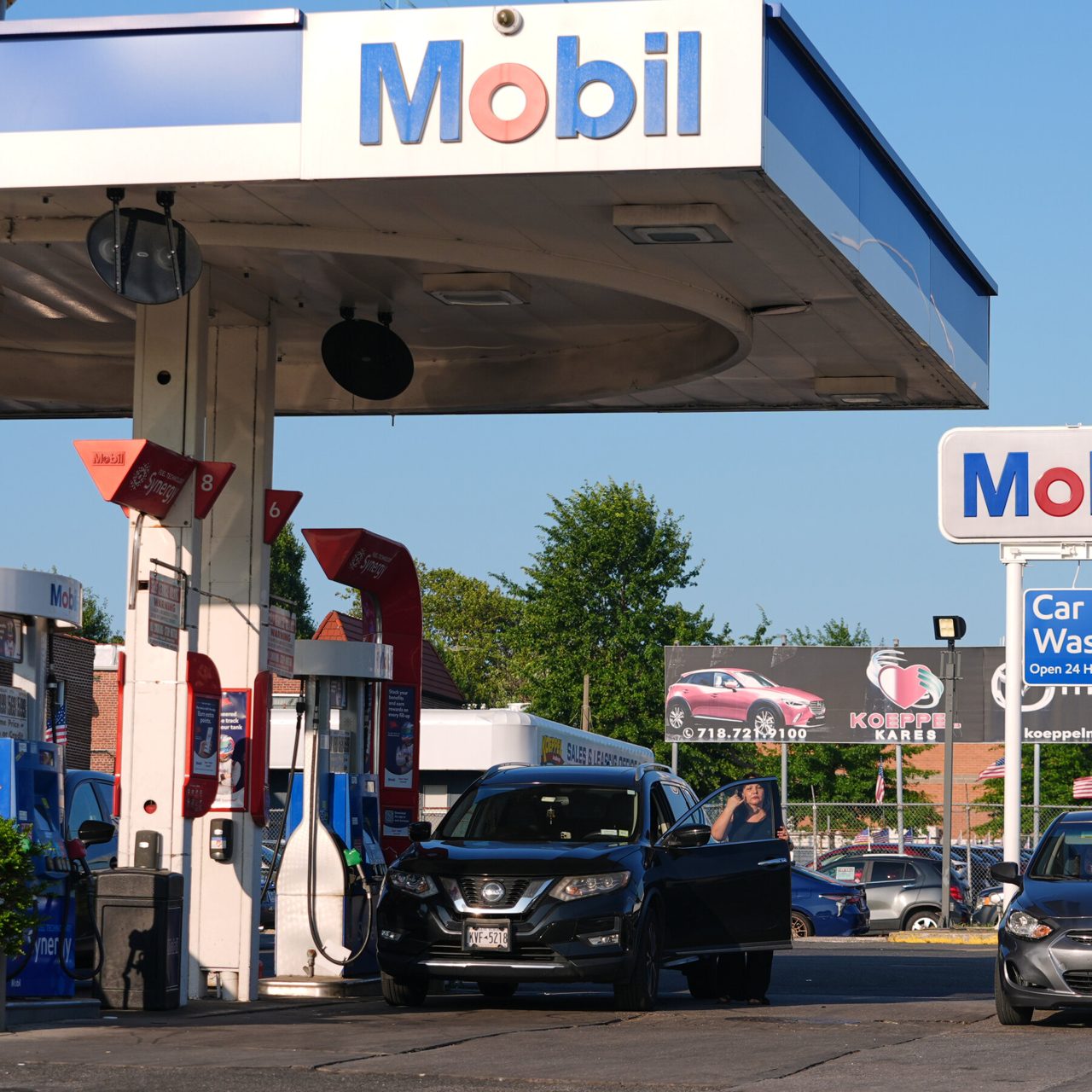
Red Sea attacks push heating oil up 29% in three weeks
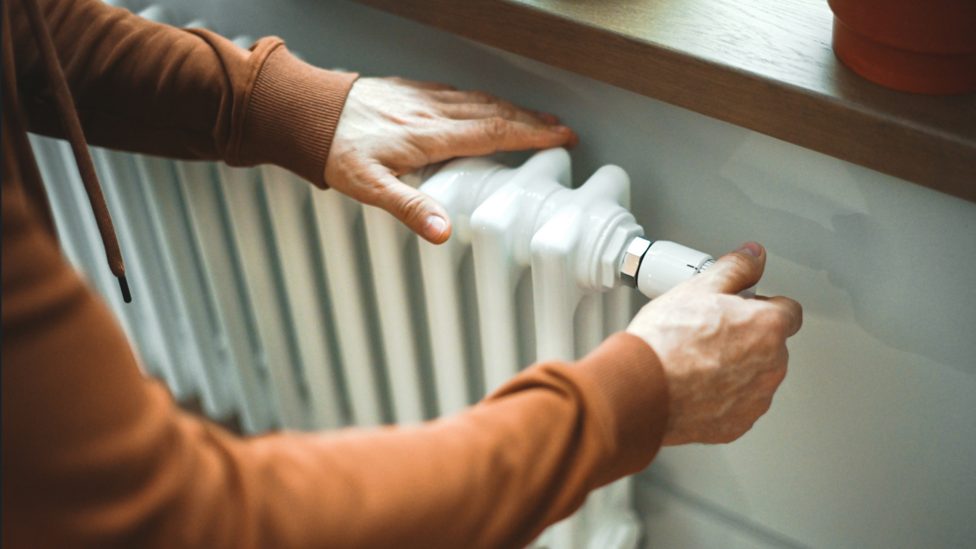
A sudden 29% surge in home heating oil prices highlights how quickly escalating US-Iran tensions and Red Sea tanker attacks are translating into real-world energy inflation.
Home heating oil prices have surged 29% in just three weeks, offering a real-time window into how geopolitical shocks are feeding into end-user energy costs. In Northern Ireland, the average cost of 500 litres jumped from £346.59 to £445.37, according to Consumer Council for Northern Ireland figures.
The price spike abruptly ends a period of relief that saw costs drop to a four-month low by the end of June. Smaller deliveries saw similar pressure, with 300 litres rising to £276.23 from £216.44 on July 2, while 900 litres now costs £789.07, an increase of £173.84 over the same period.
The catalyst for the reversal is escalating military conflict between the US and Iran. Brent crude, the global benchmark, rose more than 6% on Thursday following several consecutive days of gains driven by stepped-up US military strikes.
Physical supply routes are now facing direct threats. Houthi militia in Yemen have attacked oil tankers in the Red Sea, endangering a crucial export route Saudi Arabia relies on to bypass the Strait of Hormuz.
Northern Ireland serves as a highly sensitive barometer for these global pressures because roughly two-thirds of its households use home heating oil—the highest dependency of any UK region. The recent three-week jump follows a broader 42.86% increase in costs across standard order sizes since late February.
Prices had previously peaked at an average of £612.37 for 500 litres in early April before a sustained downward trend through June. That trajectory has now reversed, setting a challenging backdrop for the winter demand season.
Forward-looking supply assessments remain cautious as the conflict disrupts both oil-producing regions and shipping lanes. "With oil supply under pressure and increasing uncertainty, the cost of heating oil is likely to continue to remain high until peace negotiations resume," said Raymond Gormley, head of energy policy at the Consumer Council for Northern Ireland.