Burberry Q1 sales hit £455m on 9% China growth
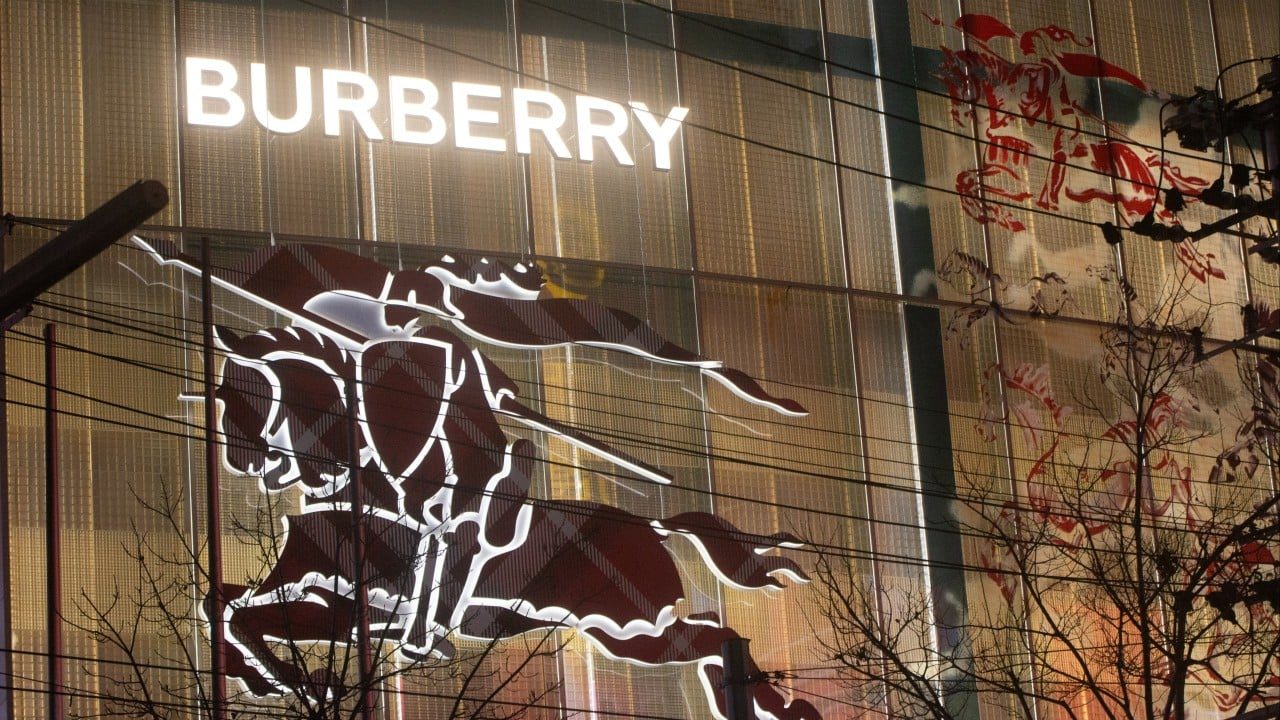
Burberry’s first-quarter sales rose 5% on strong Chinese demand, offering tentative hope for a luxury sector recovery despite persistent macroeconomic headwinds.
Burberry posted a 5 percent year-on-year increase in first-quarter sales to £455 million (US$606 million), driven by a 9 percent jump in Greater China. The London-listed fashion house reported the figures for the period ending June 27 on July 17, noting that local consumers and Gen Z shoppers led regional gains across the mainland, Hong Kong, Macau and Taiwan. This performance follows a comparable 9 percent uptick in the previous quarter.
The results offer a closely watched gauge of Chinese consumer confidence, a critical variable for the global luxury sector. High-end brands have been searching for signs of a sustained rebound in the region following prolonged pandemic disruptions. However, the latest data suggests that any recovery is currently narrow rather than broad-based.
Jelena Sokolova, a senior equity analyst at Morningstar, advised caution in interpreting the quarterly figures as a definitive turnaround. She noted that while the trajectory is positive, the broader macroeconomic picture in China remains fractured. “I do see good long-term potential for Chinese demand alongside some pent-up demand from unspent Covid-19 times savings, once the sentiment improves,” Sokolova said.
The current spending appears heavily concentrated among specific demographics, particularly younger buyers and those benefiting from the technology sector. “There is still wealth and high-wage job creation in areas like technology (in China), although some areas are still cause for concern, such as youth unemployment and the housing market,” Sokolova added. This creates a bifurcated consumer landscape that poses a forecasting challenge for investors.
For equity markets, the luxury sector's trajectory in China presents a complex risk-reward calculation. The resilience of brands like Burberry indicates that targeted demand persists, even as structural headwinds suppress mass-market retail. Executives must therefore plan for a volatile demand cycle rather than a rapid return to historical growth norms. Until sentiment shifts across the wider economy, the luxury recovery will likely remain uneven and limited to specific brands.