CBR surprises with 14% rate cut but signals higher-for-longer path
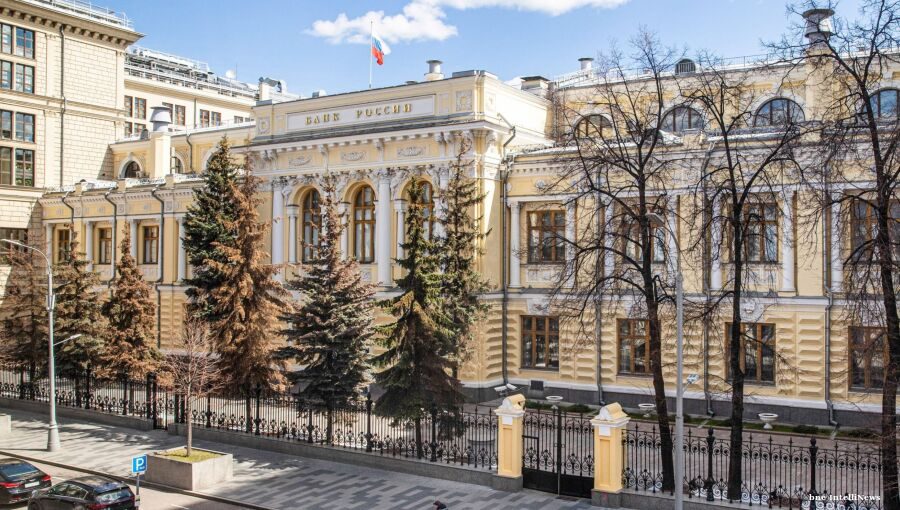
Russia's central bank defied expectations with a surprise rate cut to 14%, but sharply raised its inflation forecast and future rate projections, highlighting the growing tension between stimulative fiscal policy and price stability.
The Bank of Russia reduced its key rate by 25 basis points to 14% on July 24, a move that caught 26 of the 30 economists surveyed by RBC off guard. Markets had widely expected the regulator to hold rates steady at 14.25% as the country grapples with a severe domestic fuel crisis and sustained military spending.
Despite delivering its tenth consecutive cut, the central bank immediately signalled that the era of aggressive monetary easing is over. It raised its projected average key rate for 2026 to 14.5%-14.6% and sharply increased its 2027 forecast range to 10.5%-12.5%, up from a previous estimate of 8%-10%. This slower easing trajectory reflects a deliberate attempt to balance the Kremlin's demand for economic support against mounting price pressures.
The cautious guidance is rooted in a sudden deterioration of inflation expectations driven by a spike in motor fuel costs. Petrol prices rose more than 2% in some weeks of July, while diesel jumped over 3%, pushing household one-year inflation expectations to 14.7% from 12.4% in June. That marks the highest level since spring 2022, while corporate price expectations surged to 20.2 points.
Outgoing governor Elvira Nabiullina argued that the current price acceleration is largely tied to "one-off factors," estimating underlying inflation at an annualised 4%-5%. Core inflation actually slowed to 4.2% in the second quarter from 6.2% in the first. However, Nabiullina warned that if businesses pass elevated transport and production costs onto consumers, secondary inflation effects could force a reversal in policy.
Fiscal policy remains the overriding structural constraint on the central bank. The regulator noted that government expenditure is running significantly above historical levels, keeping a structural primary deficit in place through 2028. Nabiullina explicitly warned that if upcoming budget proposals envisage a higher deficit, "tighter monetary policy may be required."
This fiscal drag, combined with lower projected oil prices of $60 a barrel in 2026 and $50 in subsequent years, forced the bank to cut its 2026 GDP growth forecast to a range of 0%-1%. Furthermore, a tight labour market continues to drive wage growth that exceeds productivity gains.
The central bank maintained its baseline expectation that inflation will return to its 4% target in 2027. Policymakers will heavily revise their macroeconomic assumptions in October after the government submits new medium-term budget proposals to the State Duma. The next rate decision is scheduled for September 11.