CFTC tells prediction markets to stop using template contract filings
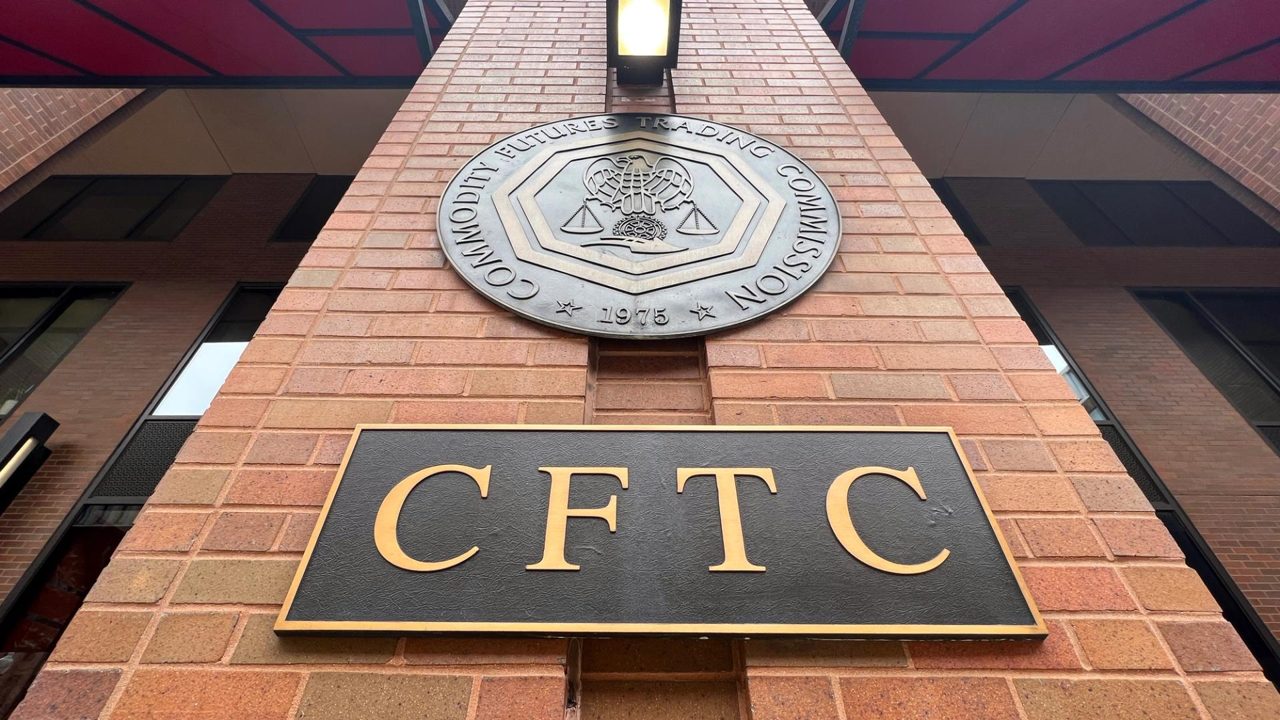
The US derivatives regulator warned prediction market operators to abandon broad, template-style self-certifications for event contracts, increasing compliance costs as the industry battles states for jurisdiction.
The Commodity Futures Trading Commission issued an advisory on Friday explicitly telling prediction market operators to stop using "broad, template-style certifications" for event contracts. The agency warned that platforms must provide specific terms, conditions, and compliance analysis for each individual contract permutation they submit.
This marks the second time in recent months the CFTC has issued such a warning to designated contract markets. By relying on cookie-cutter submissions, platforms including Kalshi, Coinbase, Polymarket and Crypto.com have prevented the regulator from properly evaluating settlement methodologies, data sources, and core principles compliance.
For market operators, the advisory signals a sudden end to the figure-it-out-as-we-go approach that has allowed for the rapid listing of political and sports contracts. The explosive growth in event contracts has clearly outpaced the industry's compliance infrastructure, and requiring individualized submissions will likely slow the pace of new product launches while increasing legal overhead.
The CFTC did leave a narrow avenue for efficiency, noting that "closely related event contracts may be certified as a class." Firms can still make consolidated filings if they utilize shared exhibits, but the baseline expectation for granular data has firmly shifted.
This regulatory tightening unfolds against a highly fractured legal backdrop. CFTC Chairman Mike Selig is actively fighting in state and federal courts to establish the agency as the sole overseer of event contracts. However, numerous states are simultaneously pursuing these platforms, arguing the offerings constitute illegal sports gambling that falls under state jurisdiction.
The CFTC’s authority over the sector remains fundamentally ambiguous, with the ultimate jurisdictional fight potentially heading to the US Supreme Court. Until the courts resolve the matter, prediction market firms face the dual burden of meeting strict federal filing demands while defending against parallel state-level enforcement actions.
In a separate regulatory move on Friday, the CFTC granted a request by Kraken to extend the dormant status of its derivatives exchange. The platform has not executed a trade since early 2025, but the extension keeps the registered entity "positioned for renewed activity" as Kraken evaluates its next steps following its acquisition of Bitnomial earlier this year.