Tech giants directly finance nuclear power to feed AI data centers
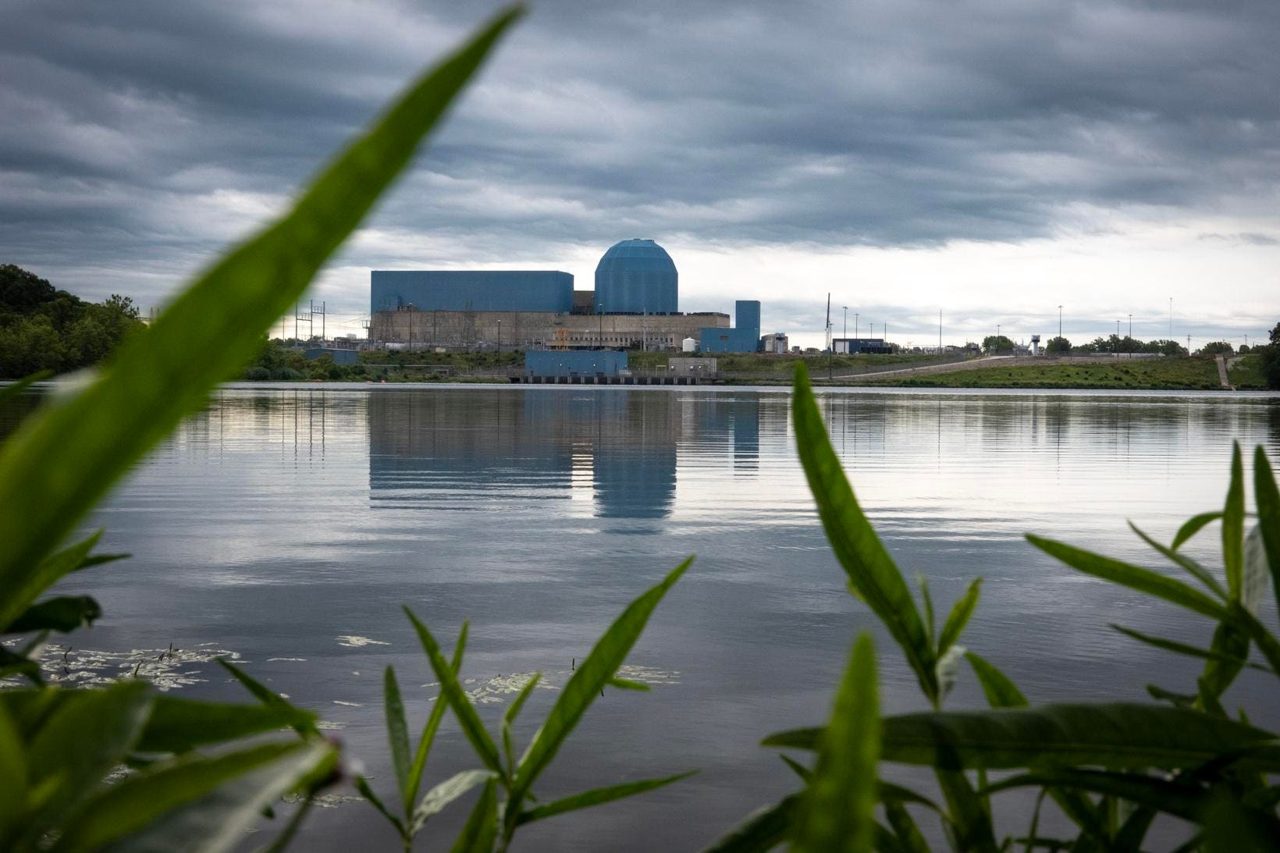
Major technology companies are directly financing nuclear power plants to secure uninterrupted electricity for AI data centers, reviving a sector deemed unbankable for four decades and shifting billions in capital toward unproven reactor technologies.
Microsoft has signed a 20-year, $16 billion contract to purchase the entire output of the restarted Three Mile Island Unit 1 reactor, now renamed the Crane Clean Energy Center. The reactor is expected to come back online in late 2027 specifically to power AI data centers. The deal is part of a broader push by major technology firms to directly underwrite nuclear energy.
Microsoft, Google, Amazon, and Meta have signed more than a dozen nuclear agreements, committing to nearly 10 gigawatts of capacity. That is enough electricity to power roughly 7 million homes. In June, the U.S. and Canada each announced plans to build 10 new reactors, supported by up to $17.5 billion in U.S. Department of Energy loans for traditional large-scale designs.
This capital influx is solving a problem the utility industry and government failed to fix for 40 years: making nuclear construction financially viable again. Data centers are projected to drive more than a fifth of electricity demand growth in wealthy countries by 2030. By the end of the decade, U.S. AI data processing is expected to consume more power than the domestic aluminum, steel, cement, and chemical industries combined.
The urgency is compounded by grid bottlenecks, with U.S. connection queues swelling past 2,600 gigawatts and average wait times nearing five years. Most new tech investments target unproven technologies. Amazon has committed $700 million to X-energy for up to a dozen small modular reactors, while Meta has signed agreements for 6.6 gigawatts of nuclear power. No small modular reactor has been completed commercially in the U.S.
The sector's recent track record for large builds is poor. Georgia's Plant Vogtle Units 3 and 4 finished seven years late and $36.8 billion over budget. Skeptics warn the timelines are misaligned, with researchers noting in the Bulletin of the Atomic Scientists that current tech investments are "completely mismatched to the actual cost of building even one reactor." The Carnegie Endowment for International Peace similarly highlighted unproven manufacturing and licensing requirements.
However, the market is distinguishing between long-term bets and near-term supply. New reactor construction takes a decade, but restarting dormant facilities takes two to three years. While small modular reactors are targeted for the 2030s, restarts like Three Mile Island are bridging the gap alongside natural gas.
The strategy hinges on nuclear's ability to provide continuous, weather-independent power. “Nuclear energy is not only an option, but also an indispensable core component of the future energy structure,” said Google AI infrastructure lead Manuel Greisinger. As International Atomic Energy Agency head Rafael Mariano Grossi noted, AI data centers and new nuclear reactors are now "advancing simultaneously." For investors, the critical takeaway is that Big Tech has replaced traditional utilities as the primary financial backer of nuclear energy, tying the future of AI infrastructure directly to nuclear project execution.