Novo Nordisk Wins as South Africa Cracks Down on Compounded GLP-1s
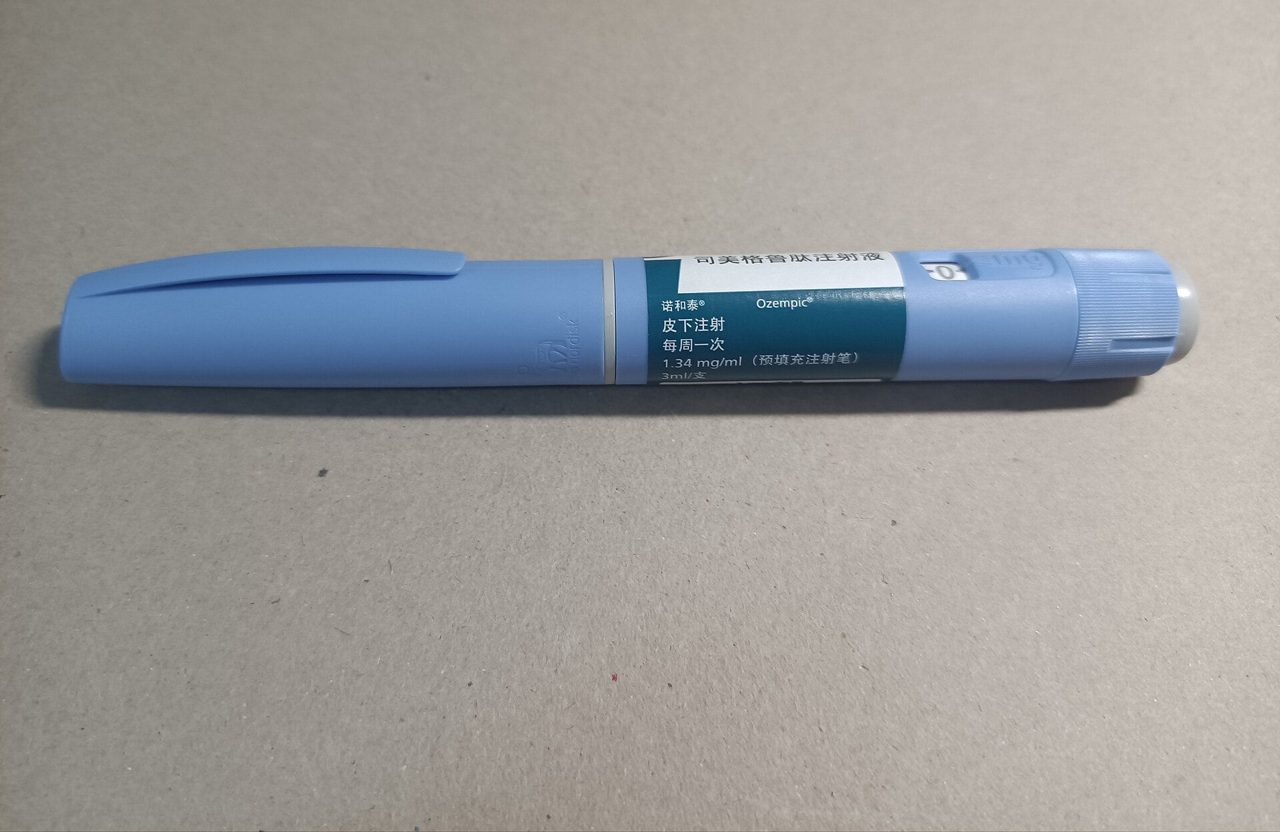
South African regulators have issued a maximum-level recall of unregistered weight-loss drugs from iDexis, a move that protects Novo Nordisk's pricing power but underscores the affordability barrier limiting branded GLP-1 access in emerging markets.
South African health authorities have ordered a nationwide recall of compounded weight-loss injections produced by Pretoria-based iDexis, issuing the country's highest-level public health alert. Three regulators—SAHPRA, the South African Pharmacy Council and the Health Professions Council of South Africa—jointly issued a Class I, Type A recall targeting unregistered semaglutide and tirzepatide products. These are copycat versions of Novo Nordisk’s Ozempic and Wegovy, as well as Eli Lilly’s Mounjaro.
The regulatory crackdown follows a May 2026 raid on iDexis’s facility, where inspectors found the operation was illegally manufacturing GLP-1 medicines for broad commercial distribution rather than individual patient compounding. Court papers revealed the striking scale of this grey market: iDexis was supplying roughly 84,500 units of compounded semaglutide monthly. That volume exceeded the combined South African sales of the branded Novo Nordisk drugs.
Inspectors cited unverified imported active ingredients alongside severe deficiencies in quality control and sterile-facility compliance. SAPC CEO Vincent Tlala warned that practitioners continuing to dispense the recalled products face fines ranging from R25,000 to R75,000, or roughly $1,500 to $4,600. Where patients suffer harm, practitioners face being struck off the professional register. Authorities are also working with the national health department to revoke iDexis’s operating licence entirely.
The recall runs parallel to a legal victory for Novo Nordisk, which secured an interim High Court order in the Gauteng Division barring iDexis from manufacturing or marketing semaglutide-based medicines. For global investors, the South African action signals that regulators in emerging markets are prepared to strictly enforce intellectual property and manufacturing standards, even when doing so eliminates significantly cheaper alternatives.
Defending market exclusivity in price-sensitive regions is critical for Novo Nordisk and Eli Lilly, which have become two of the world’s most valuable healthcare companies on the back of the GLP-1 boom. However, the case exposes a structural dependency in emerging markets. Surging consumer demand for these therapies collides with prohibitive pricing for branded products, driving a vast grey market through pharmacies and online channels.
iDexis has applied to appeal both the court order and the regulatory findings, asserting that independent testing found no sterility breaches. The outcome will be closely watched by the pharmaceutical industry as an indicator of how emerging markets balance safety, patent enforcement, and affordable access to high-demand treatments.