Judge Orders São Paulo to Greenlight Uber Moto
A Brazilian court has ordered São Paulo to authorize Uber's motorcycle ride-hailing service, cutting through municipal red tape in a ruling that signals reduced regulatory risk for mobility investors in Latin America's largest economy.
A São Paulo court has ordered the city government to formally authorize Uber Moto within 48 hours, overturning a municipal rejection issued just days earlier. Judge Patrícia Persicano Pires of the 16th Public Finance Court ruled on July 21, 2026, imposing a daily fine of R$5,000, or roughly US$980, for noncompliance.
The legal grounding rests firmly on federal supremacy. Judge Pires relied on case law from Brazil’s Supreme Federal Court, specifically citing a measure by Justice Alexandre de Moraes that suspended municipal requirements for extra insurance. The STF had previously given São Paulo 15 days to process credentialing requests under national rules, determining the city had illegally overstepped its authority by trying to regulate motorcycle ride-hailing on its own terms.
Mayor Ricardo Nunes’ administration has demonstrated what can only be described as "reiterated resistance" to these judicial directives. The city formally denied Uber's application on July 15, maintaining that transporting passengers on motorcycles requires specific local regulation due to the distinct risks of navigating São Paulo's chaotic, dense traffic. This latest court order directly challenges that administrative stance.
For Uber, the ruling validates its push to broaden its product portfolio in Latin America's largest economy. The company stressed that the decision confirms the legality of Uber Moto, pointing to its provision of personal accident insurance for riders. More broadly for the mobility sector, the judgment reinforces a precedent that municipalities cannot create excessive local barriers against services permitted under federal law.
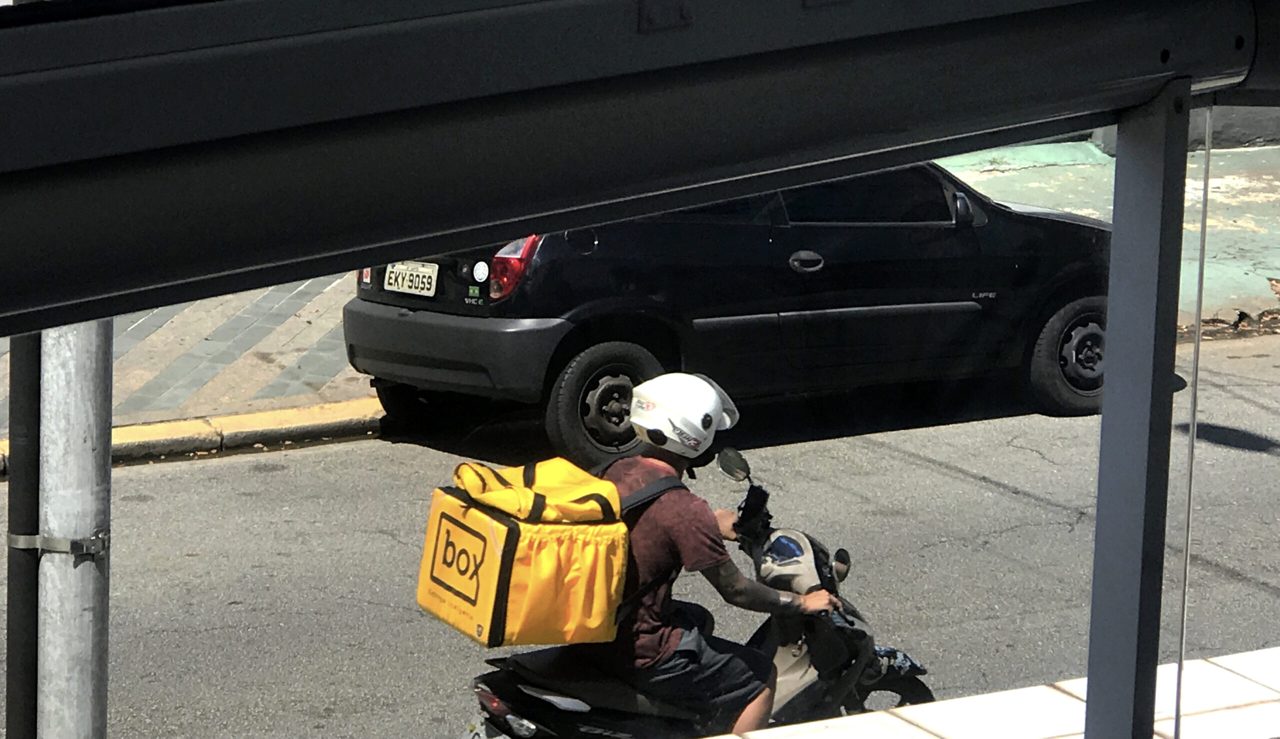
If enforced, the authorization unlocks a high-demand, lower-fare transport option for a sprawling metropolis of over 12 million people. It also creates immediate economic value for local motorcycle couriers, known as motoboys, who can diversify their income by adding passenger transport to their existing delivery routes.
Despite the legal victory, investors should weigh the ongoing political risk. The decision is appealable, meaning City Hall could challenge the service in higher courts while the broader national debate over app-based transportation standards continues. For capital markets, the São Paulo dispute perfectly illustrates the core tension in Brazilian mobility: a massive, growing market shadowed by persistent municipal friction.