Sixers Navigate Hard Cap to Sign LeBron James, Shift Title Odds
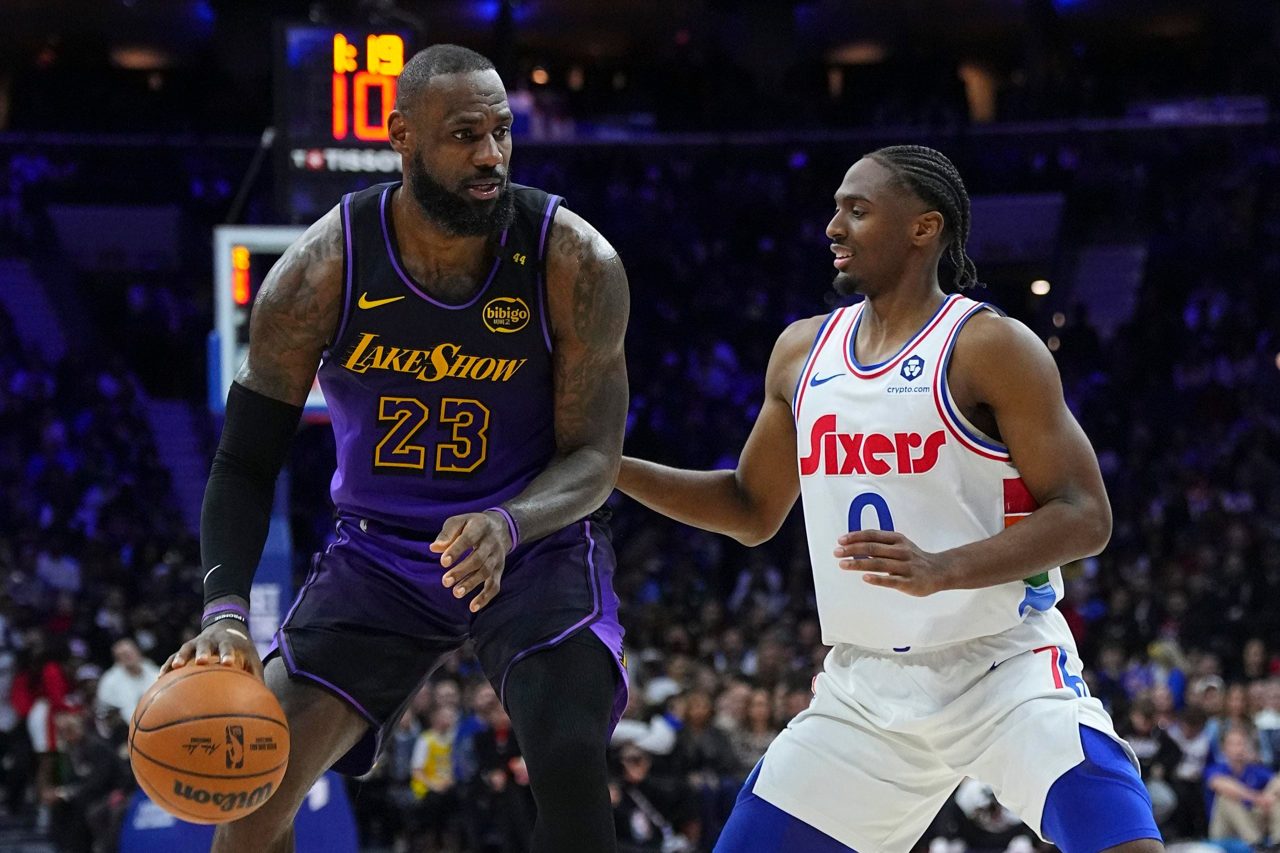
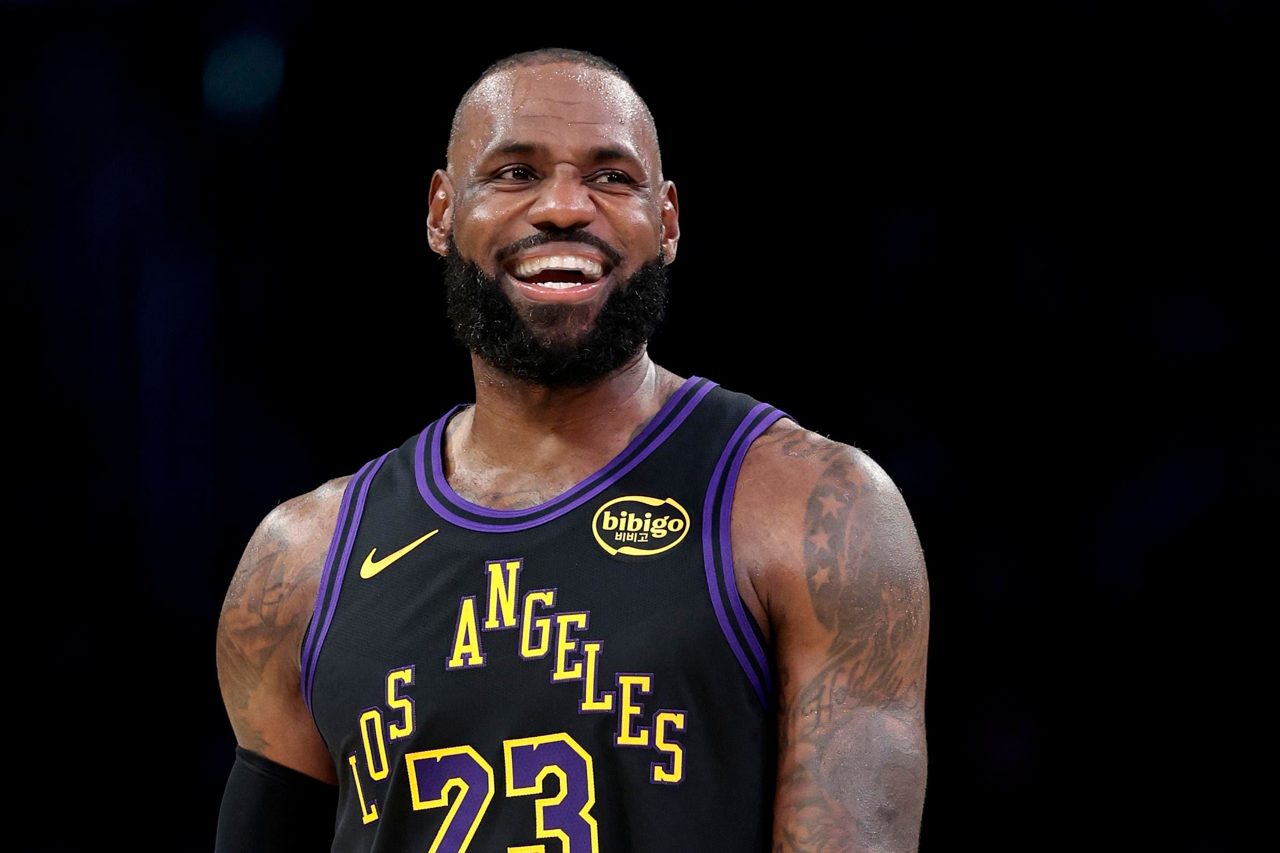
LeBron James has signed a two-year, $8 million contract with the Philadelphia 76ers, a move that slashes the franchise's championship odds but requires intricate salary-cap maneuvering to comply with the NBA's hard cap.
LeBron James is joining the Philadelphia 76ers on a two-year contract worth nearly $8 million, immediately reshaping the NBA's 2026-27 championship landscape. Betting markets reacted sharply to the news, cutting Philadelphia's title odds from +6000 at the start of the offseason to +1000. The franchise now trails only the San Antonio Spurs and Oklahoma City Thunder, leapfrogging the Boston Celtics.
The acquisition forces Harris Blitzer Sports & Entertainment into complex roster calculus. Because the Sixers split their non-taxpayer mid-level exception between Dean Wade and Anfernee Simons, they are hard-capped at the $209 million first apron. Entering Friday just $3.4 million below that threshold, the team cannot simply absorb James's full salary without shedding contracts.
Had James signed a one-year deal, his cap hit would have been a more manageable $2.4 million. Instead, the two-year contract counts for $3.9 million annually, meaning Philadelphia is expected to waive Dalen Terry and his fully non-guaranteed $2.6 million contract to create room. To accommodate the impending arrival of Kentavious Caldwell-Pope, who is negotiating a buyout with the Memphis Grizzlies, the front office will likely need to trade or waive Jabari Walker, sacrificing just $250,000 in guaranteed money.
These maneuvers would leave the Sixers roughly $2.0 million under the hard cap with 14 players under contract. They will lack the room to sign a standard 15th player until veteran-minimum contracts begin to prorate once the season starts. Management may intentionally keep that final roster spot open until the February trade deadline to preserve financial flexibility.
The signing addresses a specific organizational critique leveled by the team's own leadership. Bob Myers, the Harris Blitzer president of sports, noted upon hiring Mike Gansey as president of basketball operations that the roster lacked a clear operational identity. "We were not elite offensively or defensively," Myers told reporters. "If you're going to win at the highest level, you’ve got to be great at something."
James is projected to serve as the primary offensive connector, allowing Tyrese Maxey to operate off the ball. The move pairs a veteran-minimum salary tier with high-usage stars like Joel Embiid and recently acquired Jaylen Brown. A source familiar with James's thinking told reporter Dave McMenamin that "James' choice hinged on the pursuit of a fifth championship. After weighing his options, he landed on Philadelphia as the best situation for that."
Integrating multiple high-usage players carries inherent operational risks, and Philadelphia finished just 17th in defensive rating last season. However, the projected offensive improvement should limit opponents' transition opportunities. For a franchise swept in the second round last year, the financial cost of adding a transformative talent was minimal, even if the ultimate return on investment remains uncertain.