High Copper Prices Drive Cerro Verde to $501.5M H1 Profit
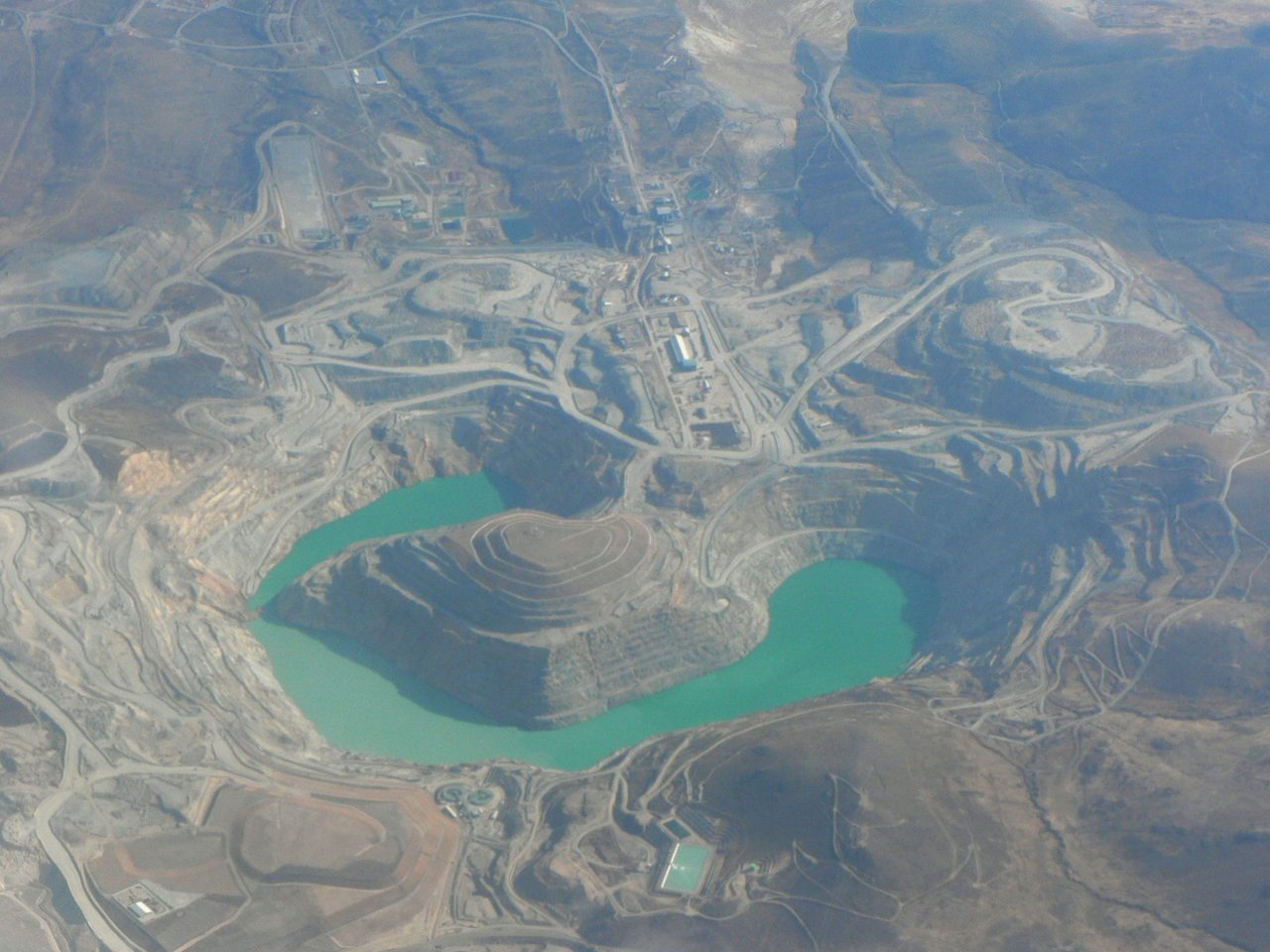
Cerro Verde's first-half profit reached $501.5 million as a realized copper price of $6.55 per pound offset lower production volumes, underscoring robust global demand for the metal.
Sociedad Minera Cerro Verde generated a net income of $501.5 million in the first half of 2026. The Peruvian copper mine's strong earnings were primarily driven by elevated commodity prices rather than operational volume growth. During the period, the company realized an average copper price of $6.55 per pound.
Output metrics for the period showed a slight contraction. The Arequipa-based open-pit mine produced 202.9 million pounds of copper and sold 195.4 million pounds. The modest gap between production and sales reflects the standard logistical timing of shipping concentrates to global smelters. Molybdenum, a key by-product, also contributed to revenue with a realized price of $31.5 per pound. The strong net income margin suggests the company effectively managed operating costs against the high copper price environment.
The earnings coincide with a minor but notable shift in the mine's shareholder structure. Freeport-McMoRan, the U.S. mining giant that controls the operation, increased its stake to 55.66% after its subsidiary Cyprus Climax acquired 2 million shares in the second quarter. The remaining equity is held by Sumitomo Metal Mining at 21% and Peruvian precious metals producer Buenaventura at 19.58%.
Capital deployment remained significant as the company invested $168.3 million in property, plant, and equipment during the half. This spending signals a commitment to sustaining and potentially expanding the mine's long-term production capacity despite the slight dip in current output. While a specific dividend for the first half of 2026 has yet to be confirmed, the mine maintains a track record of substantial distributions. In January 2026, the board approved a $500 million payout based on earnings accumulated through September 2025.
For investors, Cerro Verde serves as a direct proxy for global copper demand tied to electrification and construction. Its performance is equally critical to Peru's macroeconomic stability. As a cornerstone of the national mining sector, the operation drives a significant portion of the country's mining GDP and funds regional infrastructure in Arequipa through Peru's mining canon tax redistribution mechanism.