LatAm Steel Rises on Tariff Bets as China Pressure Lingers
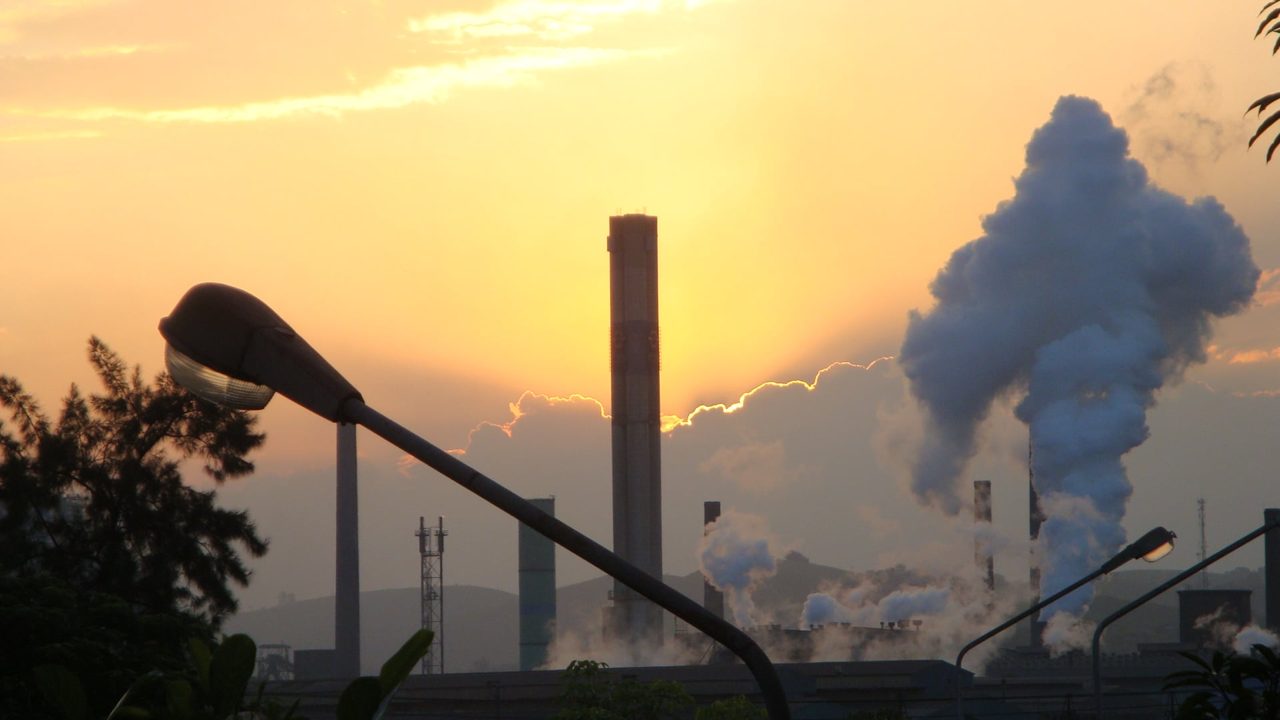
Latin American steelmakers closed higher on July 24 as investors bet on trade protection to shield margins from cheap Chinese imports, signaling that policy expectations remain the sector's primary pricing driver.
Latin American steel stocks advanced on July 24, led by Brazilian producers gaining on expectations of tariff relief. The U.S.-listed steel ETF SLX rose 1.63% to close at $103.49, reflecting a broader bid across the global steel complex. Brazilian names posted the sharpest percentage gains, with CSN adding 1.89% to $1.08 and Gerdau climbing 0.84% to $4.81, while Mexican bellwether Ternium finished up 0.34% at $47.30.
The session underscores how the region's steel sector is currently being traded on policy dynamics rather than pure demand fundamentals. Investors are weighing cheap Chinese imports—which undercut local pricing and squeeze margins—against the potential for tariffs and anti-dumping measures to restore pricing power to domestic mills. Construction and auto demand are providing a baseline of support, but the market's upward move is anchored in the prospect of trade barriers.
For market participants, the stock moves offer a clear read on regional economics and product exposure. Brazilian producers like Gerdau and CSN are the most sensitive to tariff interventions because their domestic market is directly exposed to the flood of foreign steel. Gerdau's focus on long steel ties it directly to Brazilian construction and infrastructure spending, while CSN's flat steel production makes it a barometer for auto and appliance demand. A third Brazilian name, Usiminas, rounds out the domestic complex and typically moves in sympathy with its peers.
Ternium operates under a different dynamic. As the primary Mexican steel name accessible to international investors, it serves as a proxy for North American industrial health and auto supply chains. Manufacturing demand provides a steadier volume floor for Ternium, though cheap imports remain a persistent margin headwind across the broader region.
The central variable for the sector's trajectory remains the willingness of authorities in Brasília and Mexico City to implement or extend import defences. If tariff protections erode while Chinese export volumes accelerate, even resilient construction and auto demand will fail to protect producer margins.
Consequently, foreign investors are treating Latin American steel as a policy-sensitive trade. The latest gains do not signal an inflection in underlying demand, but rather a recalibration of risk based on the possibility that trade barriers might finally shift pricing power back toward local mills. Until hard data confirms either a drop in Chinese shipments or new tariff implementations, the sector will likely continue to grind higher on speculation rather than fundamental improvement.