Hormuz Fertilizer Blockade Drives Crop Prices to Three-Year High

The closure of the Strait of Hormuz and renewed Black Sea conflicts have trapped millions of tonnes of fertilizer and grain, pushing crop prices to three-year highs and threatening a new wave of global food inflation.
Crop prices have surged to a three-year high as simultaneous supply chain shocks in the Middle East and the Black Sea squeeze global agricultural markets. The bottleneck threatens to translate rising commodity costs into higher supermarket prices worldwide.
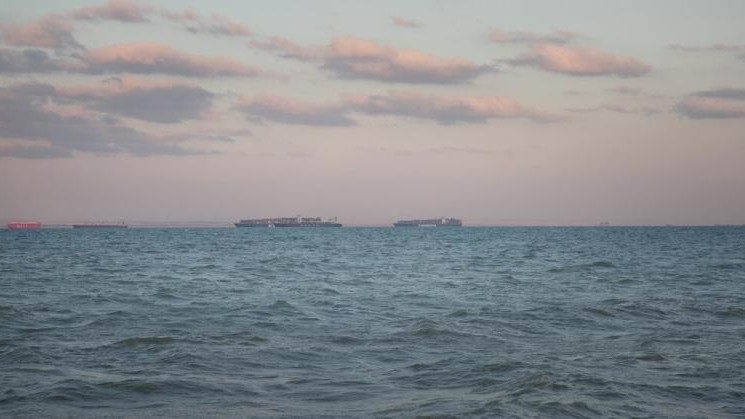
The primary driver is a severe disruption in synthetic fertilizer supplies following the closure of the Strait of Hormuz due to the United States and Israel's war in Iran. Because synthetic fertilizers are petroleum-based, the blockade has tightly linked oil supply shocks directly to agricultural inputs. The International Food Policy Research Institute (IFPRI) warns the situation constitutes an “input crisis” that could easily escalate into a broader food emergency.
The Middle East accounts for roughly a third of global urea imports, and the Strait's closure has effectively blockaded 3.9 million tonnes of urea exports. This represents 30 percent of the region's annual fertilizer shipments. “Most production facilities in the region continue to operate at reduced rates to prevent excessive stockpiling,” IFPRI reports. “While urea can generally be stored for several months, high temperatures and moisture can damage its quality. The risk of substantial fertilizer supply shortages is rising as the conflict prolongs and the Strait of Hormuz stays closed.”
Compounding the fertilizer shortage is renewed conflict around Ukrainian ports in the Black Sea. Ukraine's exports of staple grains like corn, barley, and wheat remain well below pre-2020 levels, sustaining a structural deficit in global grain supplies that pressures overall food security.
This dual supply squeeze is already straining consumers. A new United Nations report found the global average cost of a healthy diet jumped nearly 25 percent between 2021 and now, rising from $3.44 to $4.28 in purchasing power parity terms. Latin America and the Caribbean are absorbing the highest costs at $4.91 PPP. The UN estimates the fallout from rising energy and fertilizer prices could push an additional 9 to 18 million people into hunger.
Market volatility is unfolding during a period of historic geopolitical instability. “We are in a current era where we have the highest number of conflicts and are still increasing,” International Fund for Agricultural Development President Alvaro Lario noted. “Whenever there is a conflict, also hunger, displacement and refugees increase.”
Addressing the resulting food inflation will require long-term market interventions. “Ending hunger and making healthy diets affordable requires political commitment, sustained investment and enabling policies,” said QU Dongyu, Director-General of the United Nations Food and Agriculture Organization.