Nigeria eyes $1tr economy as pipeline security cuts oil theft

Nigeria is counting on reduced oil theft in the Niger Delta to stabilize crude flows and attract the foreign investment needed to reach a $1 trillion economy by 2030.
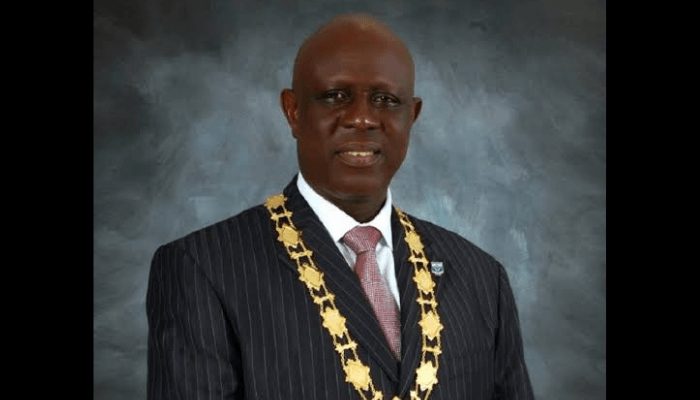
Nigeria is relying on a drastic reduction in oil theft to underpin its ambition of building a $1 trillion economy by 2030. President Bola Ahmed Tinubu has appointed Tantita Security Services Nigeria Ltd (TSSNL), led by Government Oweizide Ekpemupolo, to secure oil infrastructure in the Niger Delta. The strategy is central to government plans, as the oil sector accounts for more than 75 percent of the country's foreign exchange earnings.
The macroeconomic target follows a recent rebasing of the national accounts by the National Bureau of Statistics (NBS), shifting the base year to 2019. “In nominal terms, the rebased GDP for 2019 stood at N205.09tr; N213.63tr in 2020; N243.30tr in 2021; N274.23tr in 2022; N314.02tr in 2023, and N372.82tr in 2024,” said statistician-general Adeyemi Adeniran. The updated figures incorporate new sectors and refined data collection methods, aiming to present a more complete picture of national output to global financial markets.
Securing the foreign capital needed to scale this economy requires demonstrable stability in the oil-rich south. According to the Armed Conflict Location and Event Data project, violent events in the South-South region fell by 20.9 percent between 2023 and 2025, with fatalities dropping 8.3 percent. Stakeholders attribute this de-escalation directly to TSSNL's pipeline surveillance, which has sharply reduced illegal tapping and allowed production receipt rates to climb.
The regional security picture remains highly uneven, with the North-West recording a 127.9 percent surge in incidents and a 99.1 percent increase in fatalities over the same period. However, the operational improvements in the Delta are reshaping Nigeria's standing in international energy markets. The country has managed to reclaim crude market share previously lost to Angola and Libya.
Udy Ntia, executive vice president of the Nigerian National Petroleum Company Ltd., told a CERAWeek conference in Houston that “Nigeria has transformed into an investor’s haven. With the Petroleum Industry Act and robust regulatory reforms, we have already attracted $17bn in new investments.”
Nse Victor Udoh of the Niger Delta Progressive Alliance noted that this reliability is vital for the entire petroleum value chain. “Without secure transportation channels, production targets falter, refining plans collapse, exports decline, and fiscal projections become unreliable,” Udoh wrote. He added that “predictability is the silent currency of modern economies, and pipeline surveillance has begun restoring it.”
For markets, the underlying message is that higher accounted-for production translates directly into increased export revenues and strengthened fiscal capacity. The government's $1 trillion target ultimately hinges on maintaining these physical infrastructure gains.