Single-market US sales create severe revenue risk despite manufacturing diversification

Companies diversifying their supply chains away from China are inadvertently concentrating their revenue risk in the United States, leaving them exposed to sudden tariff and trade policy shifts.
Brands that have spent years moving production out of China to diversify their supply chains are making a critical error at the point of sale. Instead of spreading their revenue across multiple regions, these companies are concentrating almost all of their sales into a single market: the United States.
This strategy merely shifts the vulnerability from the factory floor to the checkout counter. When a business relies on one country for its revenue, its entire financial performance becomes hostage to that specific market's currency fluctuations, consumer spending habits, and trade regulations.
The de minimis rule allowed packages under $800 to enter the country duty-free. This policy was abruptly accelerated, ending for China and Hong Kong on May 2, 2025, and for the rest of the world on August 29, 2025.
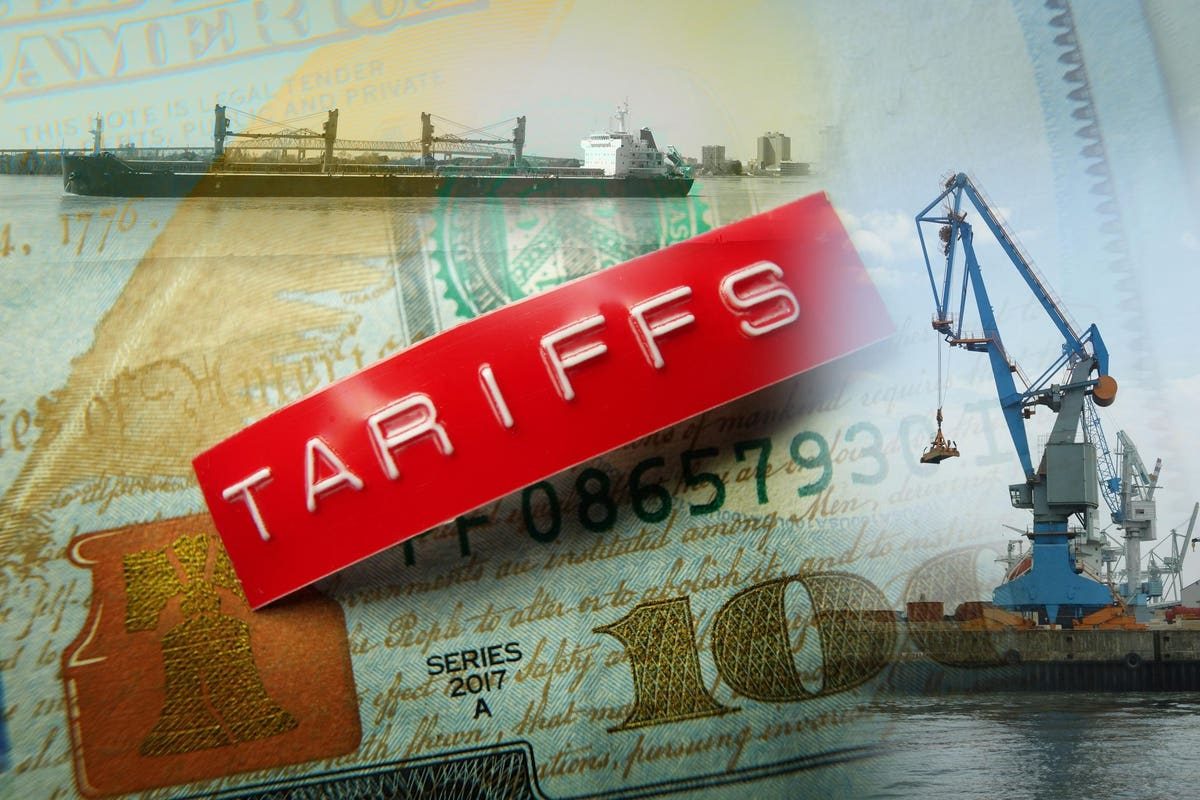
Tariff structures have been equally volatile over the same period. In February 2026, the Supreme Court ruled 6-3 that the 1977 IEEPA statute did not authorize presidential tariff powers.
The administration immediately reimposed a 10% tariff on nearly all countries using different legal authority on February 24. Brands that paid the previous duties are now waiting to see if they will receive refunds.
Relying solely on the U.S. also means ignoring a massive and rapidly expanding global opportunity. Cross-border e-commerce is projected to grow from approximately $550 billion in 2025 to $2 trillion by 2034.
Executives are already recognizing this shift in consumer behavior. A 2025 survey of senior U.S. e-commerce leaders found that 91% consider international sales a profitable revenue stream, with nearly half reporting that foreign markets generate more than 20% of their total revenue.
Historically, expanding internationally required massive upfront capital for local entities and regional warehousing. Establishing these operations cost between $150,000 for a U.S.-to-Canada expansion and over $1 million for Europe, typically resulting in a first-year loss.
Modern fulfillment models have largely eliminated these barriers through direct shipping. Brands can now keep inventory in a single warehouse near the manufacturing site and ship individual orders globally, bypassing the need for local entities and pre-committed regional stock.
The primary cost of testing a new international market is now limited to advertising spend. For investors and executives, the lesson is clear: diversifying a supply chain provides little protection if the resulting revenue remains entirely dependent on a single, unpredictable national market.