General Dynamics $469m shell plant fails to deliver parts
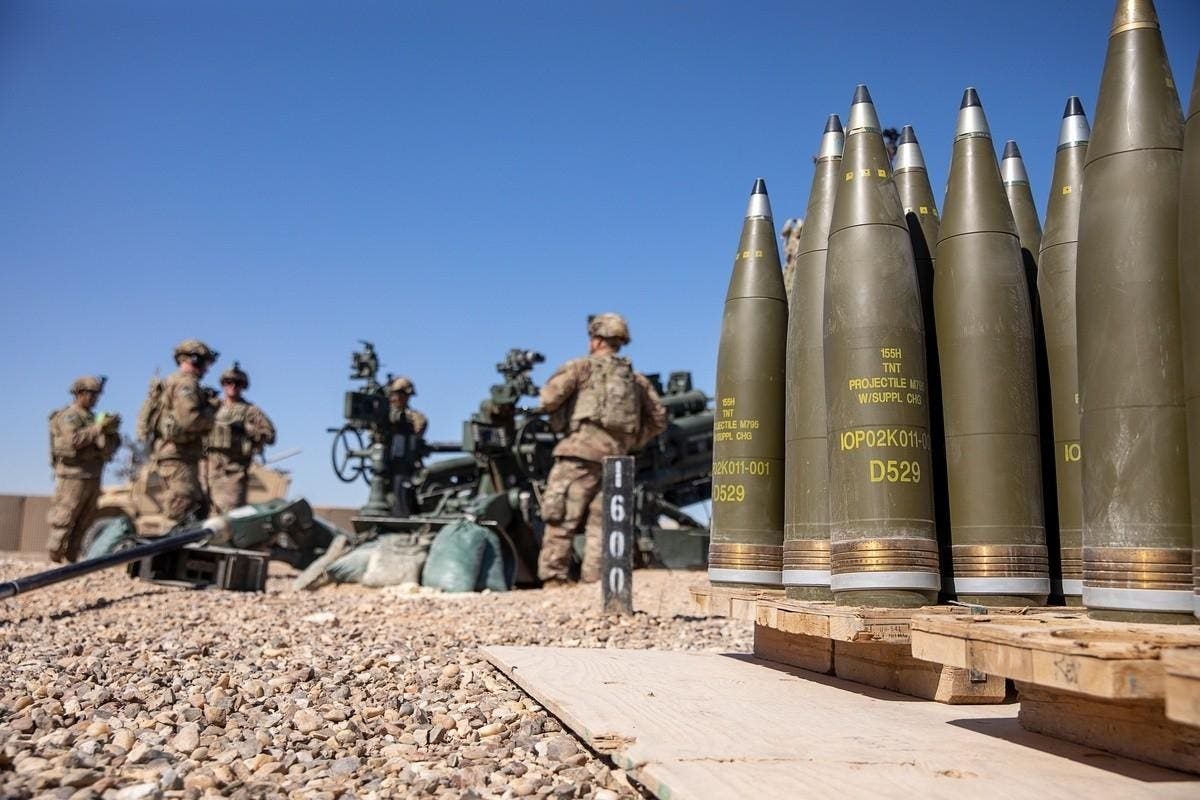
A Pentagon watchdog found that a $469 million General Dynamics facility built to ease a critical artillery shell shortage has produced zero metal parts, exposing deep supply chain flaws in the US defense industrial base.
A newly released Pentagon Inspector General report reveals that a General Dynamics Ordnance and Tactical Systems facility in Mesquite, Texas, has failed to produce a single qualifying metal projectile body for 155mm artillery rounds. The plant, which cost US taxpayers roughly $469 million and opened in May 2024, was a cornerstone of the military's strategy to replenish depleted munitions stockpiles.
The manufacturing failure stems from high-risk decisions by the contractor and Army officials. General Dynamics installed untested production machinery and attempted to modify legacy equipment originally designed for the 1958-vintage M107 shell to manufacture the modern M795 projectile. These advanced automation processes failed across the forging and metal parts lines, resulting in an eight-month work stoppage last summer while the Army evaluated the technical snags.
This execution shortfall carries significant implications for the defense industrial base. The US aims to scale 155mm production from 14,000 rounds per month to 100,000 by October 2025. However, output stood at just 36,000 rounds as of March. The military has sent more than three million of these rounds to Ukraine since February 2022, while simultaneously expending vast quantities of precision munitions elsewhere.
Industrial capacity is further constrained by severe explosive shortages. Manufacturing the 155mm shells requires 22 pounds of explosives each, translating to a monthly requirement of 26.4 million pounds. Domestic supply cannot meet this demand. The US has not produced TNT since 1986, when the Radford Army Ammunition Plant in Virginia halted manufacturing due to strict environmental regulations on toxic wastewater. The Holsten Army Ammunition Plant in Tennessee produces just five million pounds of IMX-104 annually. Consequently, the US relies on allies like Australia, India, and Poland for TNT, though Warsaw is struggling to meet its own demands.
Despite the setbacks in Texas, the Army is moving forward with further expansion. This month, it broke ground on the Future Artillery Complex at the Iowa Army Ammunition Plant, a multi-million-dollar project designed with prime contractor MSM North America to replace aging World War II-era production lines.
For now, the immediate pressure on 155mm supplies has slightly eased. Ukrainian forces have reduced their reliance on the rounds by shifting toward drone warfare. However, the gap between defense spending and actual manufacturing output highlights the enduring difficulty of quickly scaling specialized industrial production.