Oil spurs a sell-off, Trump's new tariffs, Intel earnings and more in Morning Squawk
Here are five key things investors need to know to start the trading day.
Happy Friday. Whether you're spending the weekend seeing "The Odyssey" or playing video games , we have the latest news to know on either pastime.
Stock futures are higher this morning. The three major indexes pulled back sharply yesterday.
Here are five key things investors need to know to start the trading day:
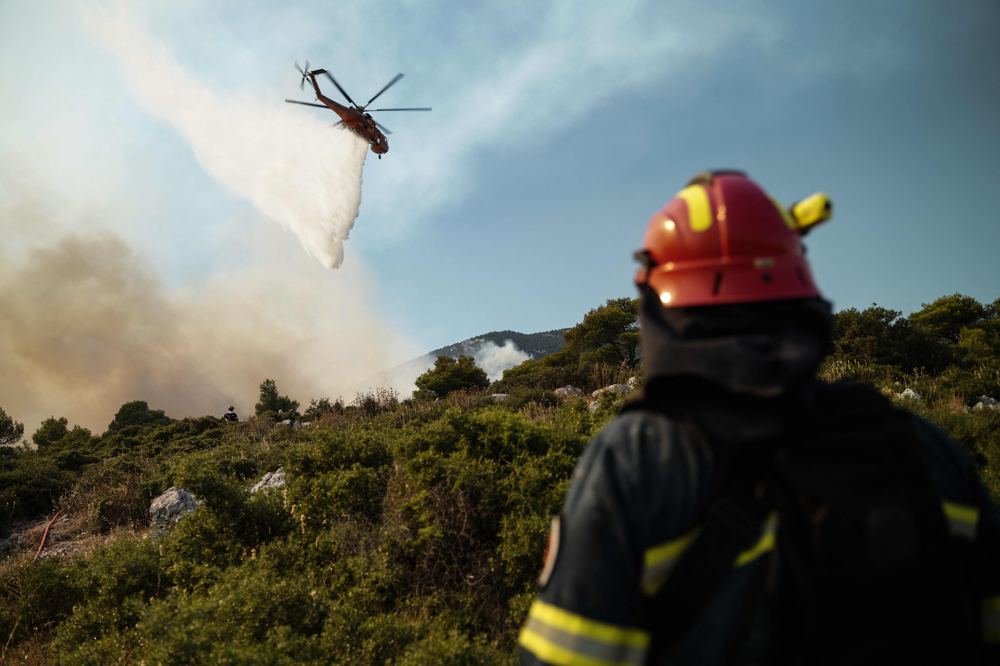
Investors are no longer shrugging off escalation in the Iran war. The S&P 500 and Nasdaq Composite saw their biggest drops in about a month yesterday, as oil prices spiked above key levels.
The White House announced fresh tariffs between 10% and 12.5% on dozens over countries yesterday, citing alleged forced-labor violations. The Office of the U.S. Trade Representative said the duties, which kicked in overnight, apply to 60 trade partners and account for more than 99% of all American trade.
As CNBC's Kevin Breuninger and Ashlee Trujillo report, the new tariffs act as replacement for the temporary 10% levies Trump imposed after the Supreme Court struck down most of his "liberation day" tariffs in February.
Australia, Brazil, Chile and New Zealand all rejected the Trump administration's justification for the new tariffs, while Canada voiced more measured concern. Despite the objections, no major trading partner has announced retaliation as most signal they will keep negotiating with Washington.
Shares of Intel are 3% higher this morning after the company beat top- and bottom-line expectations for the second quarter. Thanks to the artificial intelligence boom, Intel also saw its fastest quarterly revenue growth rate in nearly 15 years.
CEO Lip-Bu Tan said in a statement that the company is seeing "unprecedented demand" in the compute business. As CNBC's Kif Leswing notes, Intel doubled Wall Street's expectations for earnings per share in its latest quarter.
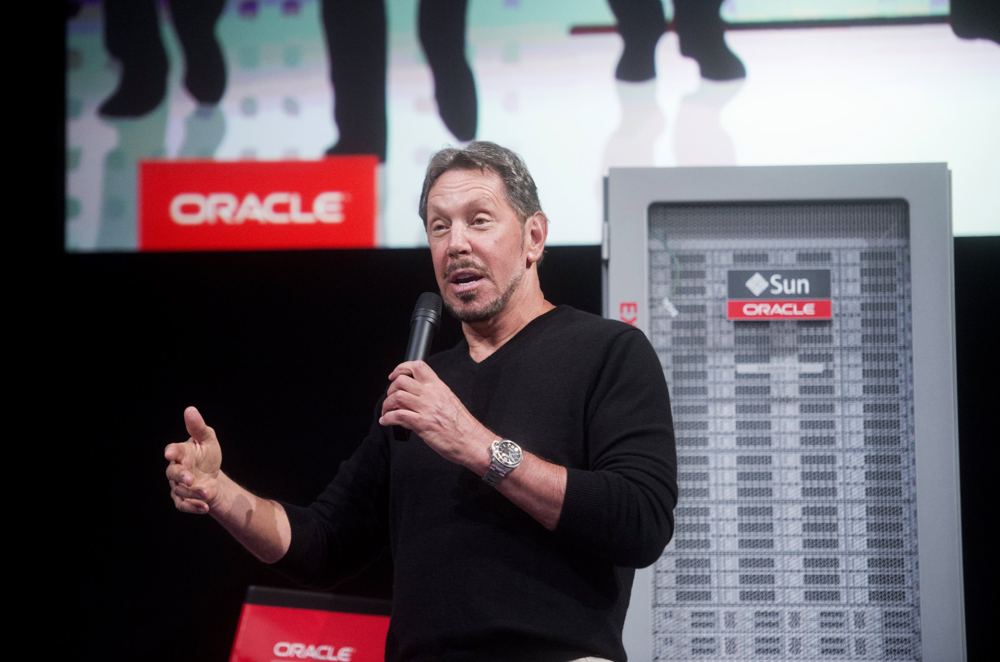
Oracle 's stock is also higher before the bell after the software company struck a 10-year deal with the Pentagon worth up to $7 billion.
CNBC's Morning Squawk recaps the biggest stories investors should know before the stock market opens, every weekday morning.
The future of Honda Motor 's Ridgeline pickup truck has been up in the air, but the automaker confirmed yesterday that a next-generation model will be produced in the U.S.
The Japanese automaker said assembly of the midsize model would return to the Alabama plant that produces the vehicle within two years, following a temporary production stoppage at the facility this year. Reports had tied a potential pause to the Ridgeline's failure to meet California emissions regulations.
"The goal is to continue to serve those customers who've been loyal to the Ridgeline," American Honda Motor's Lance Woelfer told CNBC's Michael Wayland . "But one of the things that we want to bring forward in the future is increased ruggedness of that vehicle, even more capability."
Health and Human Services Secretary Robert F. Kennedy Jr. has promised to shake up the U.S. food industry and revive trust in the Centers for Disease Control and Prevention. The cyclosporiasis outbreak is putting his promises to the test.
As CNBC's Angelica Peebles reports, experts have long warned that the U.S. would be underprepared to respond to foodborne outbreaks. Some say that federal funding reductions under the Trump administration left the U.S. in an even worse-off position.
Kennedy said earlier this week that the outbreak is "under control" and called arguments that cuts to his agency hindered the investigation "invalid."