Swiggy shares plunge on index ejection risk from foreign cap plan
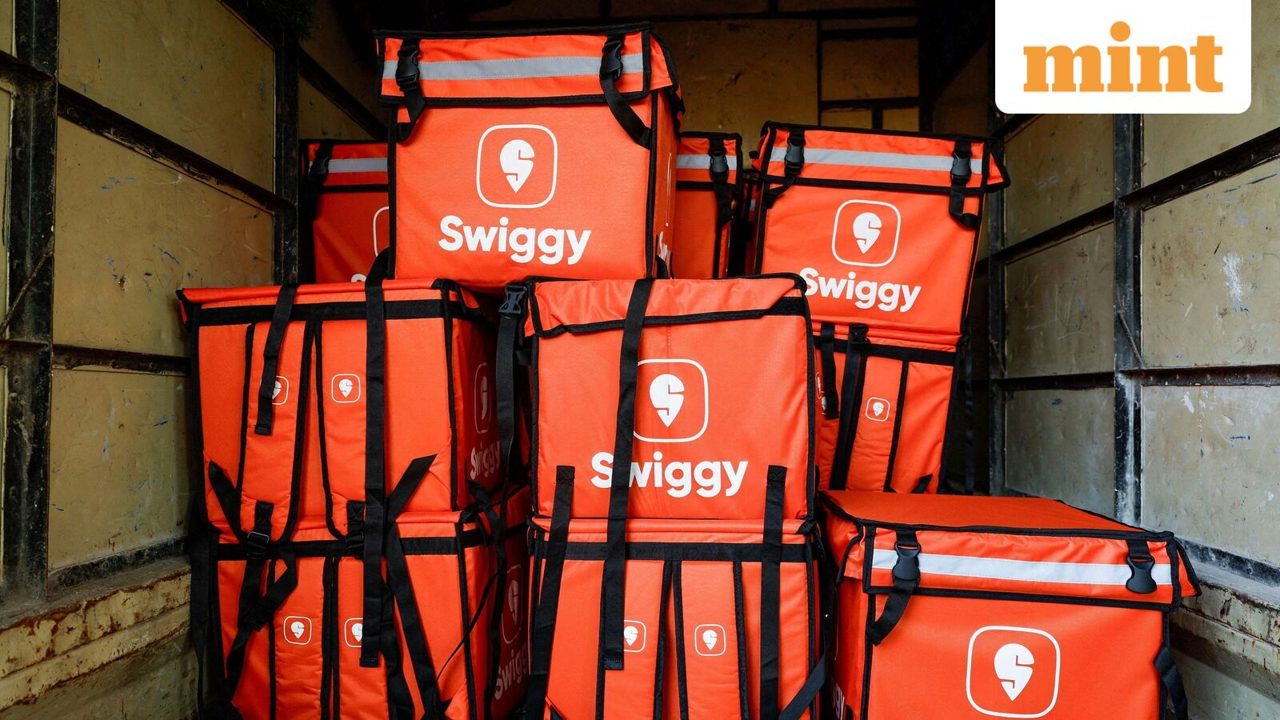
Swiggy’s proposal to cap foreign ownership at 49.5% to meet local regulations threatens to trigger nearly half a billion dollars in forced passive selling.
Shares in Swiggy fell 7.2% to ₹242.60 on Friday, nearing a record low of ₹235.80 set in June, after the company proposed capping foreign ownership at 49.5%. The board approved the measure on Thursday, scheduling a shareholder vote at its August 18 annual general meeting. The restriction would drop the limit from 100% and encompass foreign portfolio investors, non-resident Indians, and foreign-controlled local entities, though non-repatriation investments are excluded.
The regulatory adjustment is designed to help Swiggy qualify as an Indian Owned and Controlled Company. However, the compliance move creates a severe unintended consequence for the stock. By eliminating headroom for foreign investors, the company risks being purged from major global equity benchmarks that impose strict ownership limits.
Abhilash Pagaria of Nuvama Alternative & Quantitative Research noted that eliminating foreign ownership headroom makes Swiggy a likely candidate for deletion from global indices. Exclusion from the MSCI Standard Index could trigger $340 million in passive outflows, equal to roughly six days of trading volume. A 24-basis-point weight in the FTSE index exposes the stock to a further $120 million of forced selling.
Strong FY26 growth overshadowed
The selloff contrasts sharply with Swiggy’s operational momentum in its latest fiscal year. While its legacy food delivery business posted a 20.2% increase in gross order value to ₹34,593 crore, its quick commerce arm Instamart was the standout performer. Instamart’s gross order value surged 94.1% to ₹28,496 crore, driven by a 73.7% jump in average monthly transacting users to 12.3 million.
Quick commerce remains highly competitive and unprofitable at the contribution level, though Swiggy improved Instamart’s margin to negative 2.8% of gross order value from negative 4.0% a year prior. The company expanded its dark-store network to 1,143 locations, spanning 4.8 million square feet, but indicated future capacity additions will be more measured.
The stock has now lost 41% over the past year, with investors weighing rapid but capital-intensive growth against structural headwinds. August’s shareholder vote will determine whether the operational progress can overcome the immediate threat of forced index fund exits.