Trump drug tariffs to raise US prices, lift India pharma margins
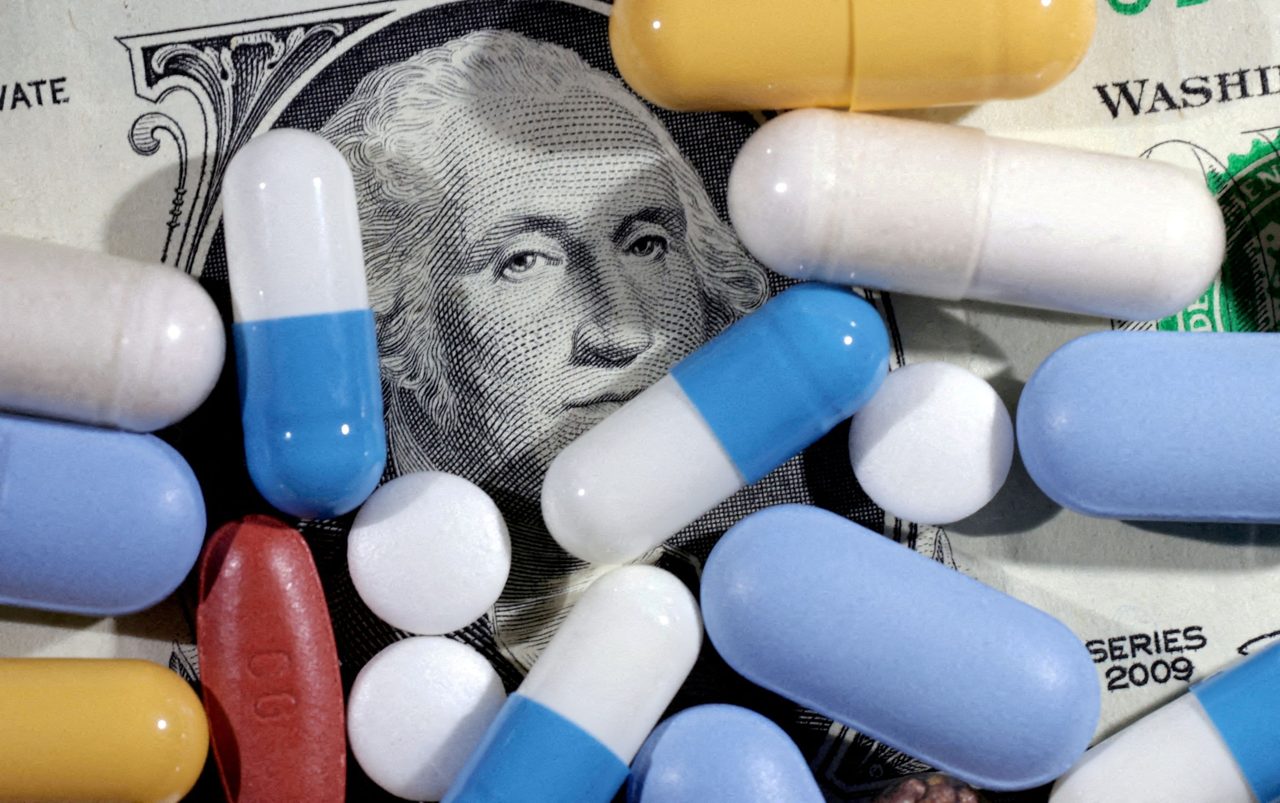
Planned US tariffs on generic medicines will fail to reshore manufacturing but are likely to raise consumer prices and improve margins for Indian pharmaceutical suppliers.
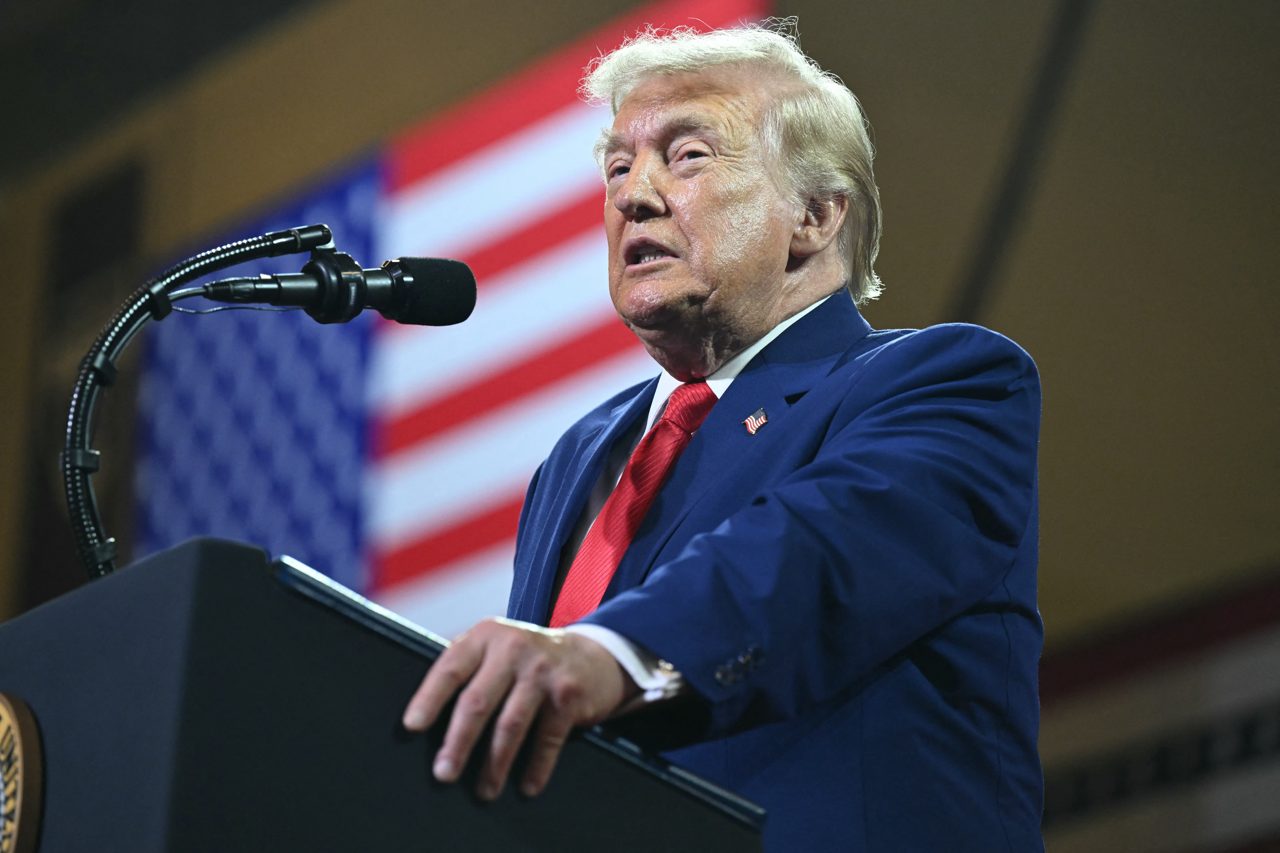
US President Donald Trump announced a tariff schedule for imported generic drugs on Tuesday. The plan starts at zero for two years before jumping to 100% in August 2028 and reaching 200% a year later.
The policy is aimed at onshoring an industry that fills more than 90% of US prescriptions, but it will instead translate directly into higher costs for American patients. "This kind of level of tariff cannot be absorbed," Erez Israeli, chief executive of Indian drugmaker Dr. Reddy's Laboratories, said on Thursday, noting prices will rise "in the magnitude of the tariff."
Shifting production to the US is economically unviable for these low-margin medicines. Manufacturing generics in India has "allowed a significant decrease in the cost of medicine to the United States," Israeli said. Namit Joshi, chair of the Pharmaceuticals Export Promotion Council of India, echoed this constraint, stating the industry is currently "operating on a very thin margin."
The two-year reprieve before tariffs hit provides little relief for supply chain restructuring. Building new facilities takes four to seven years, Israeli warned, making the 2028 deadline impossible to meet.
For investors, the dynamic presents a counterintuitive outcome. Brokerage Nomura noted in a report that Indian manufacturers are unlikely to move production due to "low economic viability." Instead, the tariff threat could serve as a pricing lever, allowing companies to boost prices and improve profits, effectively shielding their bottom lines from the political friction.
Dr. Reddy's is already reducing its exposure to this looming shock. US sales now represent just 27% of the company's total revenue, down from 50% a few years ago, and are expected to fall below 25% this year as other business segments grow faster.
Indian firms supply nearly half of the generic drugs consumed in the US, according to the Indian Pharmaceutical Alliance. Because the US market cannot quickly replace that volume with domestic production, the tariffs function less as an industrial policy tool and more as a mechanism to force price increases.