Brent crude tops $100 as Houthi attacks and Hormuz tensions squeeze exports
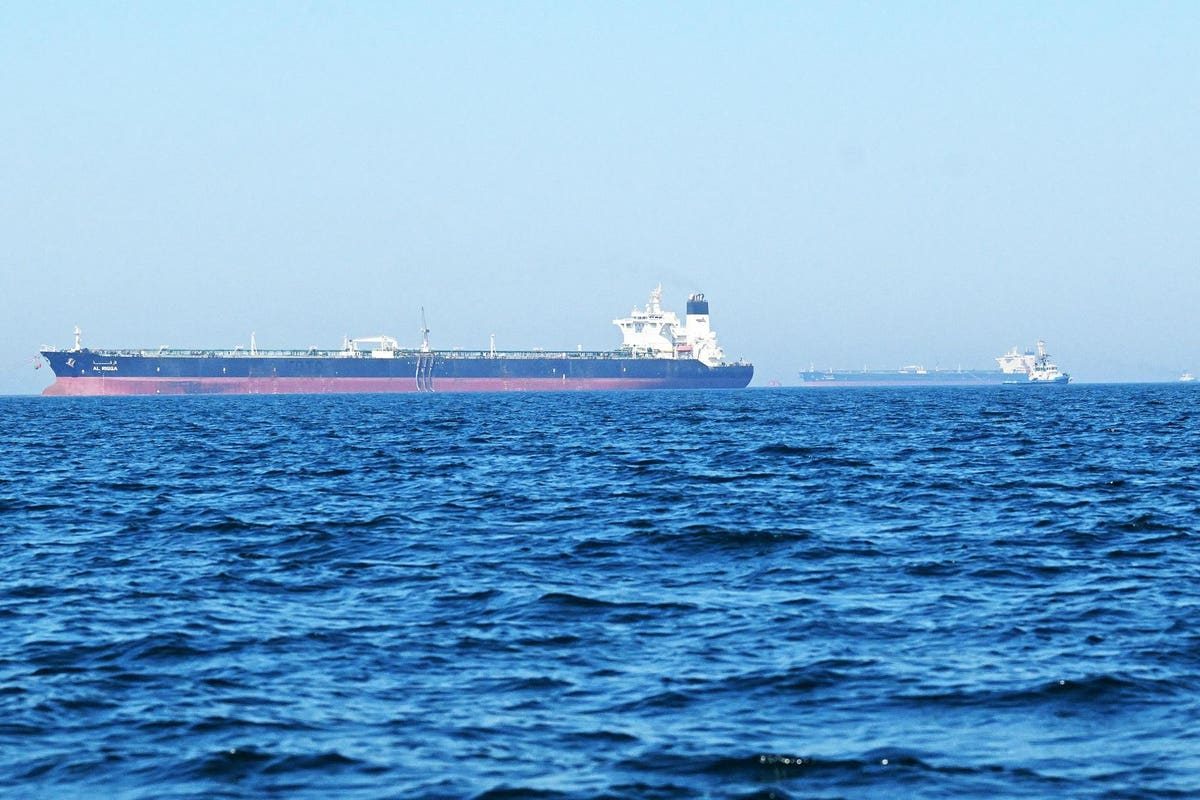
Brent crude has breached the $100 mark for the first time since May after Houthi rebels targeted Saudi tankers in the Red Sea, compounding existing supply chokepoints and threatening global energy markets with severely stunted export volumes.
Brent front-month crude settled at $100.68 per barrel in London on Thursday, marking a 7% increase. West Texas Intermediate rose 6.37% to $92.36 in New York. The daily surge pushes benchmark prices 16% to 18% higher than last week and up nearly 30% to 35% compared to the previous month.
The rally reflects a severe contraction in Middle Eastern supply that has spooked global markets. Wood Mackenzie data shows regional crude exports plummeted 82% between January and June. Volumes dropped from an average of 18.8 million barrels per day across 370 cargoes to roughly 3.4 million barrels per day across just 71 shipments.
The Strait of Hormuz previously handled about 11.4 million barrels per day in early 2026, averaging 6.3 large crude carrier movements daily. Traffic effectively halted after February 28 when regional hostilities began. Although large carrier movements had partially recovered by early July, the latest disruptions have once again choked the primary maritime artery.
Saudi Arabia initially attempted to bypass the Strait of Hormuz by routing oil through its East-West pipeline to the Red Sea terminal at Yanbu. That critical alternative is now heavily compromised by Yemen’s Iran-backed Houthi rebels. The militant group began disrupting the Bab El-Mandeb Strait earlier this week, blocking the route used to reach European and Asian markets.
Houthi military spokesman Yahya Sarea confirmed the group used missiles and drones to attack the Saudi-flagged Encelia and Layla tankers in the Red Sea. Sarea stated the vessels had violated a blockade and vowed to continue naval operations against the Saudi enemy. He added that the group would persist in enforcing a "siege for a siege" equation.
These maritime attacks coincide with a rapid escalation in broader regional military strikes. The U.S. conducted its 12th consecutive night of strikes on Iran on Thursday. In response, Tehran has recently targeted American air bases in both Kuwait and Bahrain over the past few days.
The geopolitical risk premium embedded in oil prices is unlikely to diminish given the aggressive rhetoric from Washington. President Donald Trump told Axios he is considering a "massive attack" on Iran that would be "bigger than ever before." He noted that Israel would join the operation "in two minutes" if asked.
Trump added that "we don't need anybody" else to launch the military operation. He also warned the Houthis of "major military punishment" following the Red Sea attacks. Furthermore, the president stated he would hold Iran directly responsible if such maritime attacks continue to escalate.