Iran Conflict Fuels Dollar Rally as Yen Slides to 40-Year Low
Escalating US-Iran military strikes have driven oil prices above $95 a barrel, reviving inflation fears that are propping up the dollar and pushing the Japanese yen to its weakest level since 1986.
The dollar steadied on Thursday while the Japanese yen slumped toward a 40-year low, as escalating military strikes between the US and Iran triggered a sharp rise in oil prices and upended global interest rate expectations.
Brent crude surged more than 1.3 per cent to $95.31 a barrel after the US military launched a new round of strikes on Iran and Iranian-aligned Houthis claimed attacks on two Saudi oil tankers. The sudden supply shock pushed two-year US Treasury yields to a 17-month high on Wednesday, reinforcing market bets that the Federal Reserve will need to keep rates higher for longer to combat resurgent inflation.
The price spike is particularly impactful because global energy stockpiles have depleted over the past five months of conflict. "What is different from the start of the conflict five months ago is inventories," said Joseph Capurso, head of international economics and foreign exchange at Commonwealth Bank of Australia. "Lower inventories mean shortages of oil and gas are more likely the longer the conflict continues, exacerbating the negative economic impact of high energy prices which favours the USD."
The dollar index was flat at 101.11. The euro ticked up 0.02 per cent to $1.1412 ahead of a European Central Bank meeting where policymakers are expected to hold rates steady but signal readiness for a September hike if energy inflation persists. The Australian and New Zealand dollars dipped slightly, while sterling held at $1.3373.
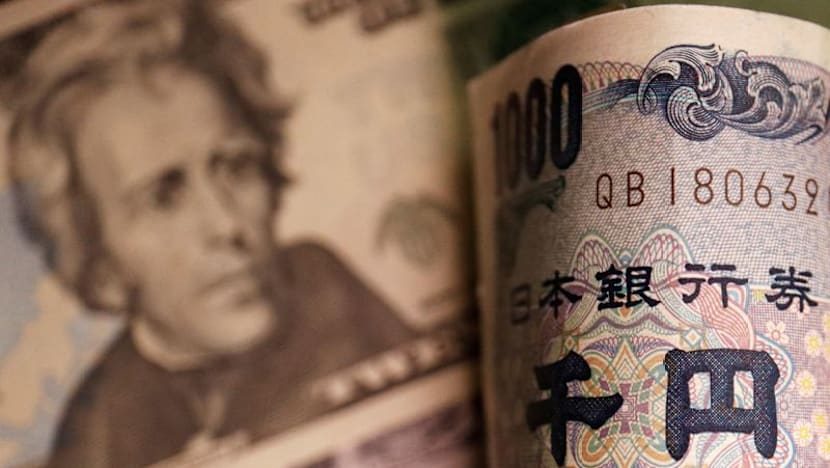
The yen briefly pared losses to trade at 163.1 against the dollar after reports indicated the Bank of Japan is preparing to move faster than economists anticipate. However, the currency remains dangerously close to Tuesday's trough of 163.23, a level not seen since December 1986.
Investors doubt the BOJ's urgency under Prime Minister Sanae Takaichi, whose administration has struggled to shake off suspicions it wants to delay rate hikes. Tokyo has repeatedly threatened currency intervention after conducting yen-buying operations in April and May.
However, analysts argue the government will likely wait to see the Fed's hand before acting. "Against the backdrop of rising energy prices and mounting expectations of a more hawkish Fed meeting next week, it appears very unlikely — despite continued threats — that Japanese authorities will intervene until after next week’s FOMC meeting," said Tony Sycamore, market analyst at IG Australia.