Senate crypto bill faces opposition from Democrats and banks

A 616-page Republican crypto regulation bill faces likely failure after Senate Democrats rejected its ethics provisions and banking groups warned it threatens traditional deposits.
Senate Republicans released a 616-page draft of the Clarity Act on Wednesday, marking the first major legislative effort to regulate the digital asset sector. The bill merges earlier proposals from the Senate Banking and Agriculture committees. However, its path to passage is already in doubt due to immediate pushback from two powerful constituencies.
Digital asset advocates largely championed the legislation. Coinbase CEO Brian Armstrong argued the absence of a federal framework had enabled frauds like FTX and forced the industry offshore. Crypto Council for Innovation CEO Ji Hun Kim called bipartisan support “critical,” while Solana Policy Institute CEO Miller Whitehouse-Levine urged Congress to “seize the moment.”
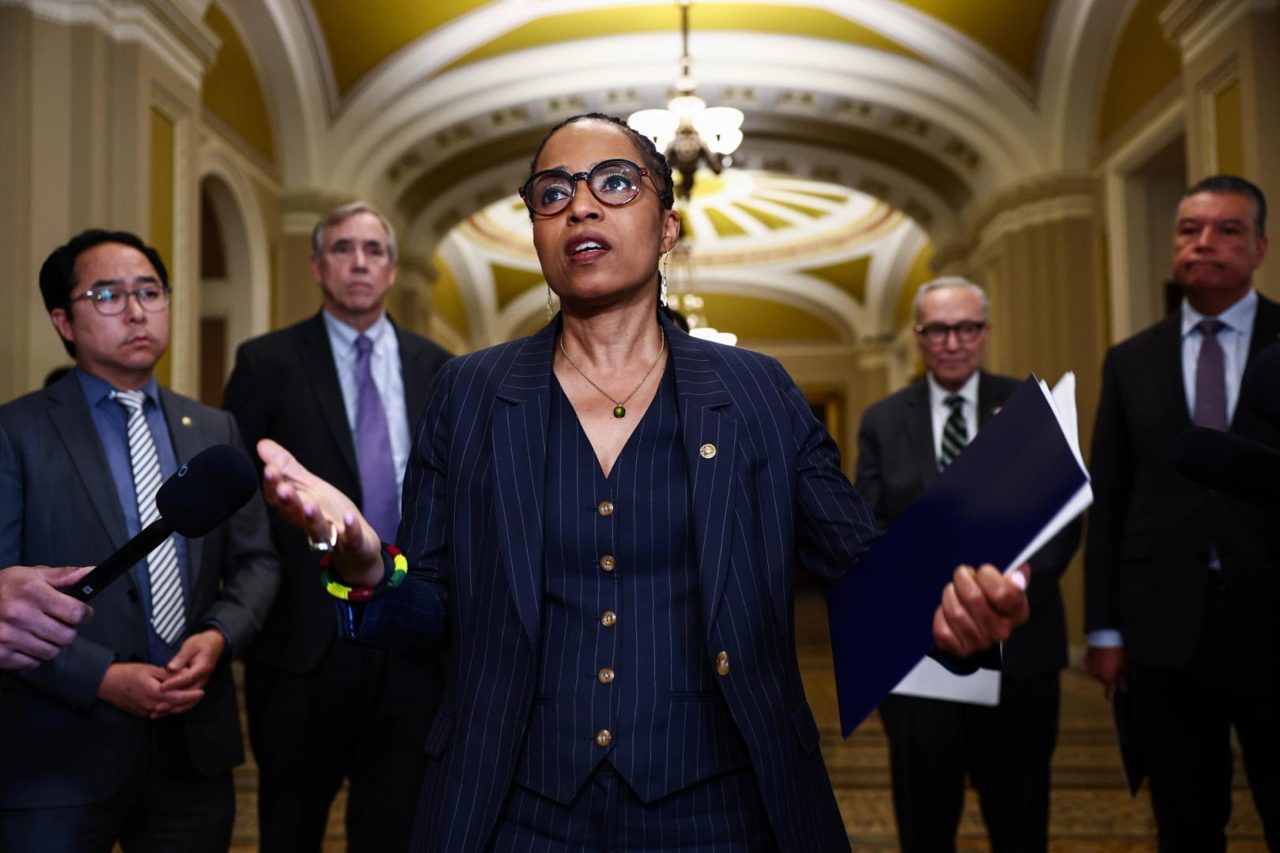
Senate Democrats, however, signaled they will block the bill unless its ethics provisions are significantly tightened. Lawmakers including Angela Alsobrooks, Ruben Gallego, Cory Booker, and Catherine Cortez Masto argue the current text fails to address conflicts of interest tied to President Trump’s crypto ventures.
Those ventures include a memecoin Trump launched before Inauguration Day and his family’s involvement in World Liberty Financial, from which Trump received millions according to recent financial disclosures.
The draft prohibits public officials and their spouses from issuing digital assets but exempts other family members. Enforcement falls to the Justice Department, and the rules expire in January 2029.
Amanda Fischer, a former chief of staff to ex-SEC Chair Gary Gensler, noted the structure requires no divestment and relies on Trump’s personal attorney, Acting U.S. Attorney General Todd Blanche, for enforcement. “Amnesty kicks in as soon as the new POTUS is inaugurated,” Fischer said. Elizabeth Warren added that the bill “should be dead on arrival.”
Traditional financial institutions also lined up against the measure. The American Bankers Association, Bank Policy Institute, and Independent Community Bankers of America warned the legislation lacks adequate safeguards to prevent stablecoin rewards from drawing deposits away from traditional lenders. The groups stated the bill still puts at risk the local lending that drives economic activity in the U.S.
For market participants, the legislation underscores the structural hurdles facing digital asset regulation in the U.S. Crypto firms seeking legal certainty to operate domestically must now brace for a prolonged period of regulatory limbo. The dual-front opposition demonstrates that passing a crypto framework requires resolving fundamental competitive tensions between decentralized finance and the traditional banking sector.