Turkey hits 24.2 GW unlicensed solar, slashes gas reliance
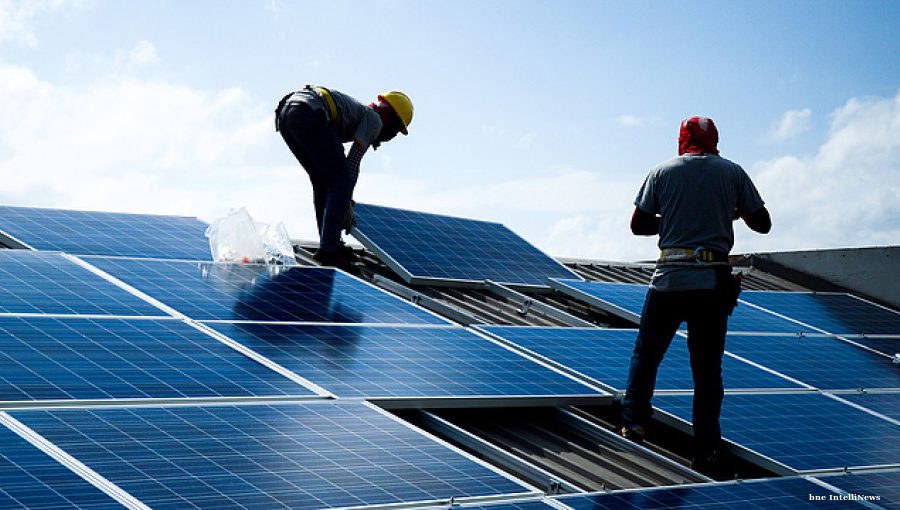
A subsidy-free boom in unlicensed rooftop solar has pushed Turkey's total solar capacity to 27 GW, cutting the country's reliance on imported gas and reshaping its power sector.
Unlicensed rooftop and self-consumption solar capacity in Turkey reached 24.2 GW by May 2026, according to grid operator TEİAŞ. This took total installed solar capacity to roughly 27 GW, meaning almost 90% of the country's solar fleet is decentralised.
The buildout offers a rare case study in rapid, market-driven energy transition. It occurred largely without the heavy state subsidies or large-scale nuclear investments that typically underpin renewable expansion in other European markets. Instead, total solar capacity more than doubled in under three years, driven by decentralised adoption.
For investors and policymakers, the primary economic significance lies in Turkey's shifting energy import bill. Natural gas accounted for 48% of Turkish power generation in 2014, but that figure dropped to 22% in 2025, according to energy think-tank Ember. Reduced gas burn directly alleviates pressure on the country's trade deficit.
However, the renewable surge has not yet dislodged coal from the top of the generation stack. Coal supplied 34% of Turkish electricity in 2025. Crucially, more than two-thirds of that coal is imported, with Russia standing as the country's biggest supplier, limiting the full sovereign benefit of the solar boom.
In terms of market share, solar generated 10.5% of Turkey's electricity in 2025, up sharply from 4.7% in 2022. This narrowly trailed wind power at 11.1%. Combined, wind and solar overtook hydropower for the first time last year, as total installed wind and solar capacity reached about 40 GW following a record 6.5 GW addition in 2025.
The displacement of hydropower highlights a structural climate risk for Turkish power markets. Despite ranking as Europe's second-largest hydropower market, prolonged drought has severely constrained hydroelectric output. To compensate, Turkey has been forced to lean on its remaining gas fleet.
Ember estimates that this reliance on gas-fired backup to offset drought-stricken hydropower costs the Turkish economy approximately $1.8bn a year. This expense partially offsets the financial gains from the reduced gas dependency.
Looking ahead, Ankara is attempting to formalise and scale the sector further. IntelliNews reported this month that the government has unveiled tenders for an additional 2.4 GW of wind and solar capacity. This forms part of a broader national push toward a state target of 120 GW of wind and solar by 2035.