UK inflation cools to 2.6% but analysts warn of rebound
UK inflation fell more than expected to 2.6% in June on lower fuel and food prices, but economists warn the dip is temporary and expect the Bank of England to hold rates next week.
UK consumer price inflation fell to 2.6% in June, beating economist forecasts of 2.7% and down from 2.8% in May. The Office for National Statistics attributed the larger-than-expected drop primarily to falling motor fuel prices and a monthly decline in food costs. The cost of raw materials also dipped for the first time since January, driven by lower crude oil prices.
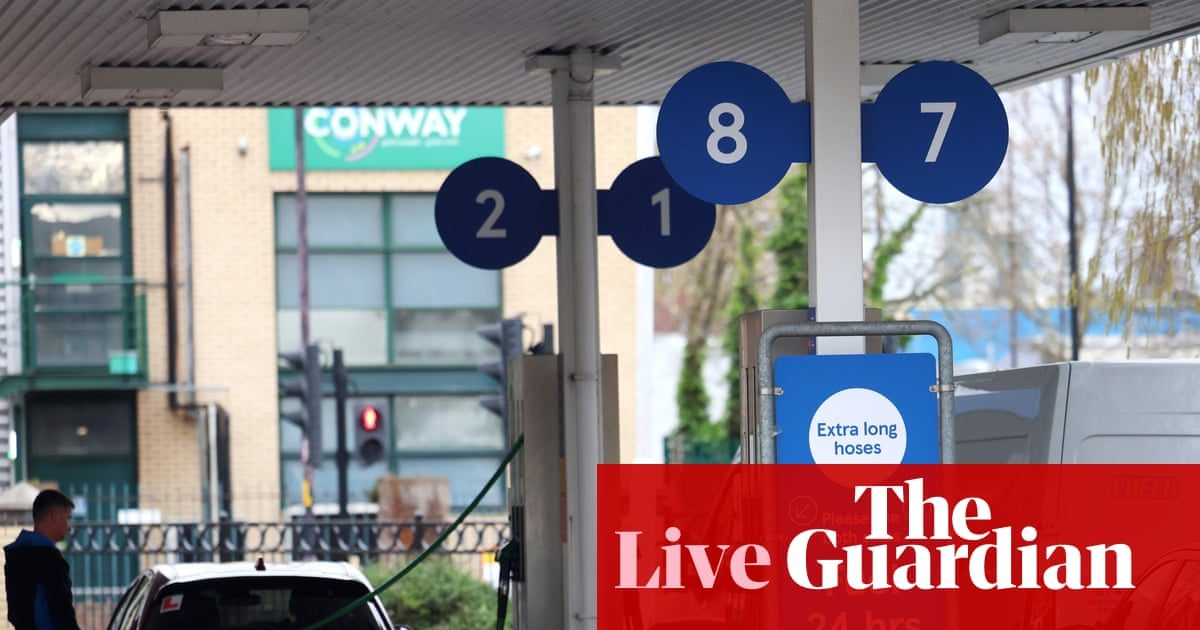
Diesel prices dropped 10.7p per litre to 176.4p, while petrol fell by 2.1p per litre to 155.3p, marking the first petrol price decrease since the Middle East conflict escalated in February. Food inflation slowed to an annual rate of 1.7%, its lowest in almost two years. Harvir Dhillon of the British Retail Consortium noted that intense supermarket competition drove down prices for chocolate, beef, and margarine, even as supply chain pressures persisted.
Despite the headline cooldown, market analysts warn the reprieve will be short-lived. Suren Thiru of ICAEW described the figures as a "false dawn," noting that July's Ofgem energy price cap increase has likely already reversed the downward momentum and pushed inflation back above 3%. Renewed hostilities between the US and Iran have reignited broader inflation fears, putting the prospect of inflation touching 4% later this year back on the table.
Kallum Pickering of Peel Hunt echoed this outlook, noting that rising commodity prices and the expiration of temporary VAT cuts on meals and recreation could trigger a sharp rebound in services inflation to 4.0% in September. He forecasts inflation to peak at 3.3% in November, factoring in the new government's VAT cut on energy utilities.
For the Bank of England, the backward-looking data does little to alter the immediate monetary policy path. George Brown of Schroders pointed out that a cooling labour market limits the risk of persistent second-round inflation effects, allowing policymakers to maintain a steady hand. Analysts broadly expect the central bank to keep interest rates unchanged when it meets next week, contradicting market pricing that currently anticipates more than two hikes over the next year.
The inflationary trajectory presents an immediate fiscal test for the new prime minister and chancellor. John Healey announced a VAT cut on electricity bills expected to save households £45 annually from October, alongside a £2 cap on bus fares starting in January. While aimed at easing the cost-of-living crunch, Thiru warned that elevated inflation will ultimately squeeze the chancellor's fiscal headroom, raise government borrowing costs, and increase financial market volatility.