Nigeria awards 37 oil blocks, targets 300,000 bpd output boost
Nigeria has allocated 37 oil and gas blocks to 31 companies under tight new regulatory deadlines, aiming to unlock 300,000 barrels per day of new production to meet its 2030 output targets.
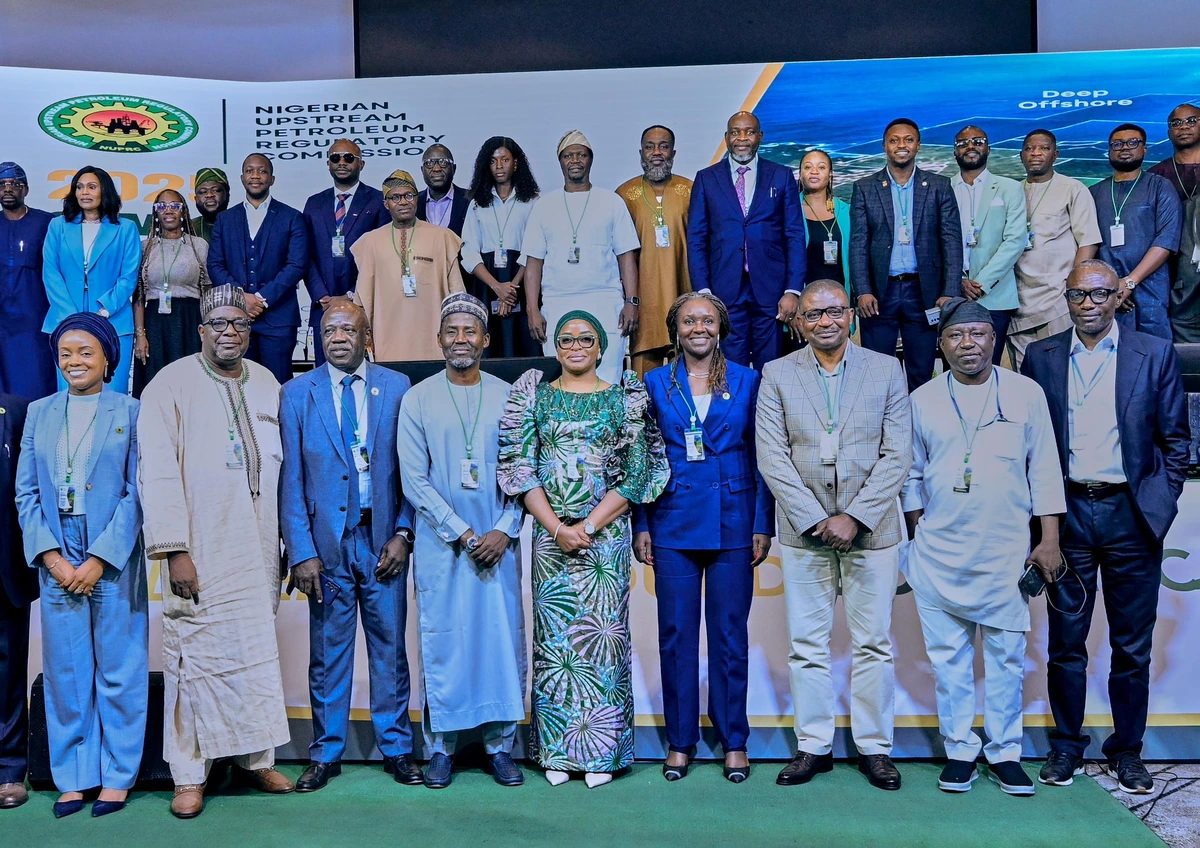
Nigeria handed out 37 oil and gas blocks to 31 companies on Tuesday, moving to add roughly 500 million barrels to its reserves and 300,000 barrels per day of new output within three years. The Nigerian Upstream Petroleum Regulatory Commission (NUPRC) said 143 firms submitted 200 bids for the 50 available assets.
The auction is a crucial test of the 2021 Petroleum Industry Act, which stripped ministers of discretionary allocation powers and imposed strict financial timelines. Winning bidders have just 90 days to pay signature bonuses, post guarantees, and secure ministerial sign-off, or they will forfeit their blocks to reserve bidders.
“The government is not seeking speculative holders of acreage; it is seeking partners with the capacity, discipline and commitment to deliver measurable production and economic value,” said NUPRC chief executive Oritsemeyiwa Eyesan. The regulator will also enforce a "drill or drop" standard to prevent companies from hoarding undeveloped licenses.
The successful bidders are predominantly smaller, indigenous firms rather than international oil majors. Winners include SSonic Petroleum, Dutchford E&P, Attabanson Global Company, Rosem Energy, Asharami, LexOil, Blackrock Holdings and Highban Resources. The concentration of awards among these companies presents a clear execution risk, given the strict 90-day financial conditions and subsequent development costs.
While 35 of the awarded blocks are in traditional regions like the Niger Delta onshore and shallow waters, the round’s strategic shift came from 15 blocks in unproven frontier basins including the Benin, Anambra, Chad and Benue Trough areas. However, 13 blocks failed to attract any bids.
“Frontier means that they have not yet been de-risked, and so we were not surprised when we saw that some of these assets returned with no bidders,” Eyesan said. The commission will conduct further technical studies before relisting those assets.
The new production is central to Nigeria’s goal of reaching 3 million barrels per day by 2030 from current reserves of 37.01 billion barrels of crude and condensate. Ekperikpe Ekpo, minister of state for petroleum resources (gas), tied the round to the country’s "Decade of Gas" initiative, noting the upstream investment will expand domestic supply and support industrialisation.
Heineken Lokpobiri, minister of state for petroleum (oil), argued the Gulf of Guinea assets carry heightened strategic value amid the US-Iran standoff. Eyesan projected the output boost would drive broader economic growth, stating: “These projections represent more than additional barrels; they represent increased government revenue, improved foreign-exchange earnings, greater utilisation of infrastructure, opportunities for indigenous service companies, employment creation, technology transfer and broader economic growth.”