China Luxury Auto Sales Plummet 29.5% as EVs Oust Foreign Brands
Foreign automakers are losing their final competitive edge in China as wealthy buyers abandon premium petrol vehicles for domestic electric alternatives.
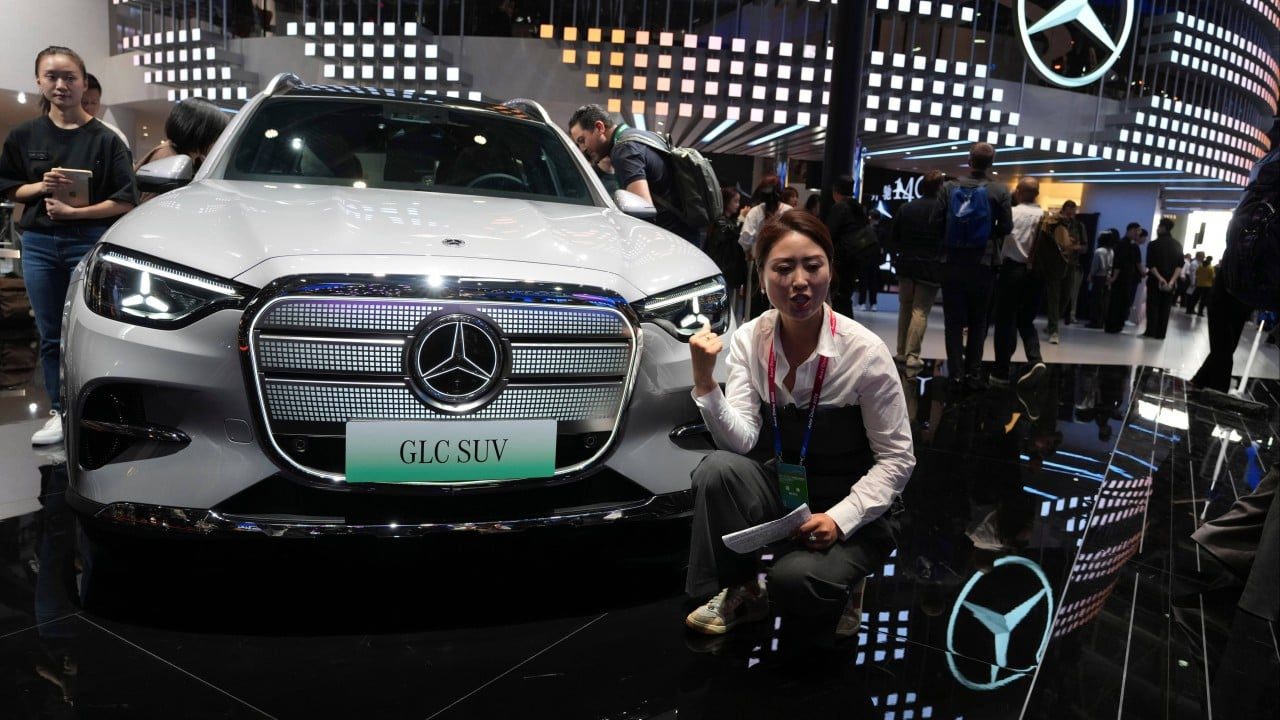
International luxury car brands suffered a severe contraction in China last month, with sales plummeting 29.5 per cent year on year. According to the China Passenger Car Association (CPCA), premium automakers delivered just 162,224 vehicles during the period. The downturn directly affects marquee names including Mercedes-Benz, BMW, Land Rover, Jaguar and Infiniti, stripping foreign manufacturers of what had historically been their most profitable market segment.
The data confirms a structural shift rather than a temporary market blip. Over the first half of the year, luxury deliveries totalled 967,929 units. This represents a 17.9 per cent decline compared to the same period in 2025, indicating that the rate of contraction is actually accelerating as the year progresses.
Domestic manufacturers have already largely displaced foreign brands in the mass market through competitive, low-priced electric vehicles. Now, that technological disruption is moving aggressively upmarket. “The luxury segment was believed to be international brands’ stronghold, as more low-priced electric cars developed by Chinese companies showed an upper hand in the mass market,” said Zhao Zhen, a sales director at Shanghai dealer Wan Zhuo Auto.
The implications for the earnings of international premium automakers are substantial. These companies have long relied on high-margin Chinese luxury sales to drive global profitability. As that crucial revenue stream dries up, equity investors will likely need to reassess forward earnings multiples for legacy carmakers.
The pivot away from internal combustion engines is being accelerated by shifting macroeconomic pressures. “The downward trend is set to continue amid consumers’ waning demand for premium cars and increasing penchant for EVs due to rising crude oil prices,” Zhao warned. High oil prices are fundamentally altering the total cost of ownership calculus for wealthy buyers, making petrol-powered luxury vehicles significantly less attractive.
Foreign automakers now face a critical strategic inflection point. Their current high-margin product lineups remain heavily dependent on combustion technology, a fundamental mismatch for a market where electrification and running costs increasingly dictate purchasing decisions.