Silver Surges on Record Deficit; Gold Holds Above $4,000
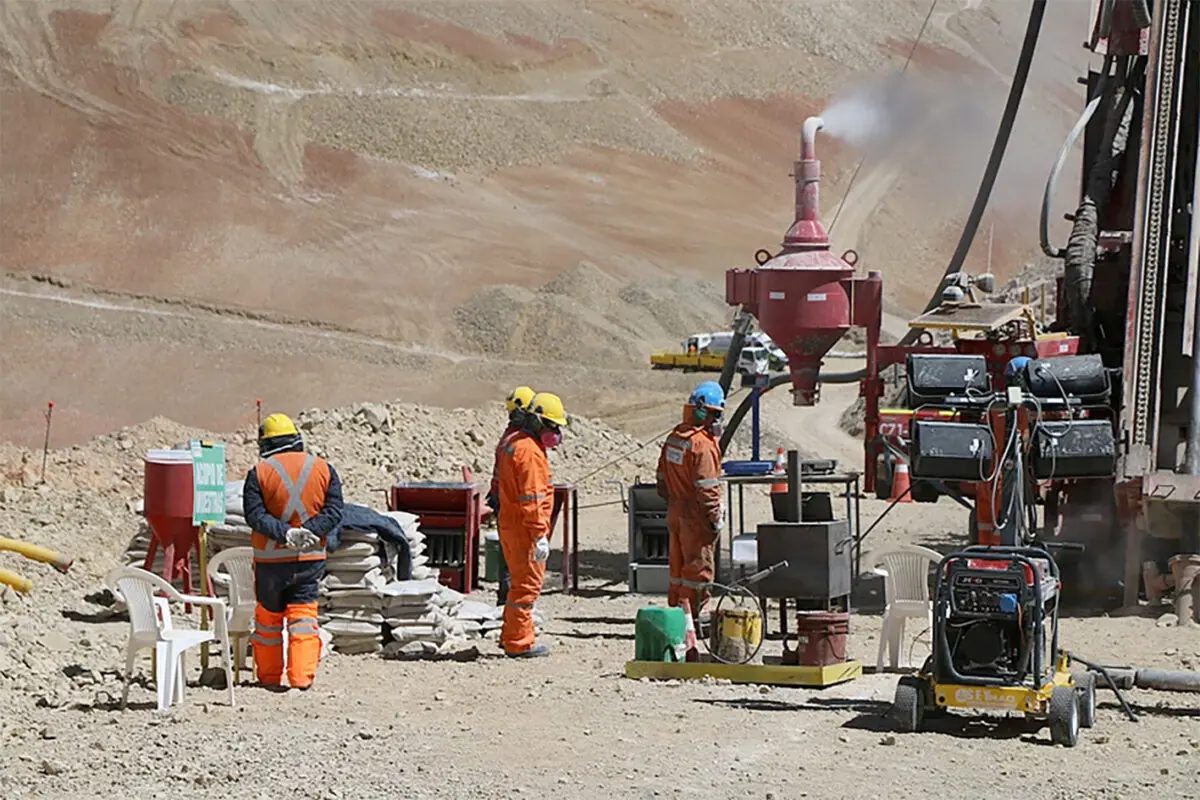
Silver prices jumped 4.5% as a record global supply deficit forced a repricing of the metal, putting Latin American miners at the center of a tightening market.
Silver rose 4.45% to close at $58.86 per ounce on July 22, outpacing a modest 0.50% gain in gold which settled at $4,101. The divergence highlights how investors are differentiating between the two precious metals amid a macroeconomic environment defined by elevated US real yields and lingering geopolitical uncertainty.
Gold remains parked just above the psychologically important $4,000 threshold. With 10-year Treasury yields hovering in the mid-4% range following recent strong US employment data, the Federal Reserve has maintained a hawkish stance. This keeps the opportunity cost of holding non-yielding assets high, limiting bullion's upside despite its underlying safe-haven appeal.
Silver’s outsized move reflects a structural supply crunch rather than a mere macro hedge. The metal is still recovering from extreme volatility earlier this year, having spiked above $120 before suffering a historic crash. Now, the Silver Institute’s World Silver Survey 2026 projects a 46.3 million ounce market deficit for 2026. This is the sixth consecutive shortfall and the largest on record.
Latin American supply bottleneck
This persistent deficit directs market attention squarely at Latin America. Mexico and Peru anchor global silver production, extracting roughly 6,300 and 3,100 metric tons respectively in 2024. Peru holds an estimated 91,000 metric tonnes of reserves, cementing the region's role as the primary source of new physical supply.
For market professionals, the supply equation is complicated by acute political and operational risks. Mexican production is already under pressure, having fallen roughly 5% in 2023. In Peru, resource nationalism, social unrest, and regulatory tightening threaten to constrain future output.
Corporate results from the region will serve as a key barometer. First Majestic’s recent reporting of 3.8 million ounces of silver produced in the second quarter of 2026 demonstrates how operational execution translates global price swings into local earnings.
Looking ahead, industrial demand from solar, automotive, and electronics sectors continues to widen the gap between available mine output and physical needs. Any shift lower in US real yields, or further supply disruptions in Mexico or Peru, could force a sharper repricing in a structurally undersupplied market.